Pan Pacific Jakarta
When you book Pan Pacific Jakarta in Indonesia through our Pan Pacific Reserve partnership, your stay includes daily breakfast for up to two guests and a hotel credit from US$100 once per stay. You also receive a one-category room upgrade, early check-in and late check-out when available. No premium credit card or membership needed: request a quote and our advisor books it at the same rate as booking direct.
Exclusive Booking Perks
These perks are included with your stay at the same rate as booking direct with the hotel.
- Complimentary one-category upgrade upon arrival, subject to availability
- Complimentary daily breakfast for up to two guests per room.
- Priority early arrival subject to availability, and late guaranteed departure at 4pm.
- Welcome amenity
- Experience hotel credit value from US$100, once per stay
- Additional amenities may vary per property.
Location
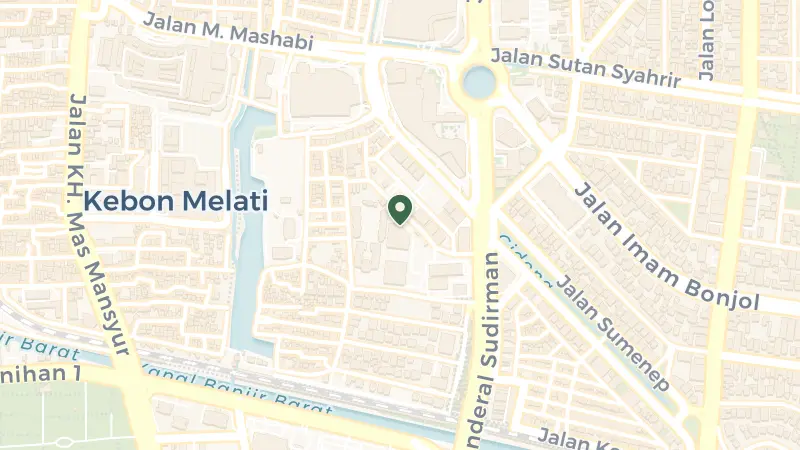
Pan Pacific Reserve properties offer a blend of contemporary sophistication and regional character, anchored by a philosophy of anticipatory service and locally rooted design. Here in Jakarta, that philosophy meets Indonesia's sprawling capital, a city that thrums with ambition and contradiction: gleaming towers shoulder against colonial remnants, street vendors set up beside steel-and-glass shopping centres, and the call to prayer drifts over traffic jams that stretch for kilometres. The property sits in Tanah Abang, a district defined by the largest textile market in Southeast Asia and the western edge of the Sudirman Central Business District, where boardrooms and megamalls cluster along wide boulevards.
Jakarta itself traces its lineage to the sixteenth century, when the port settlement of Jayakarta fell to the Demak Sultanate in 1527. The Dutch seized it nearly a century later, renaming it Batavia and making it the colonial nerve centre for three hundred years. Today, the city is the de facto capital and political heart of Indonesia, facing the Java Sea along Java's northwestern coast. Step outside and you feel the density: the humid weight of tropical air, the whirr of motorbikes weaving through lanes, the smoke from roadside satay grills mixing with exhaust fumes.
Halim Perdanakusuma International Airport lies eleven kilometres southeast, serving domestic routes and regional flights. Soekarno-Hatta International Airport, the country's main international gateway, is twenty kilometres west, connected by toll roads that can take anywhere from forty minutes to two hours depending on traffic.
The Sudirman Central Business District stretches eastward, a canyon of skyscrapers and luxury malls that define modern Jakarta. Closer to the property, Tanah Abang Market sprawls across multiple floors and thousands of stalls, a labyrinth of textiles where batik, silk, and cotton are traded in bulk from dawn onward. For a glimpse of the city's layered history, the National Monument (Monas) anchors Merdeka Square four kilometres north, a towering marble obelisk capped in gold that commemorates Indonesia's independence. Pasar Lontar Kebon Melati, just over a kilometre away, is a neighbourhood wet market where traders pile chillies, rambutans, and freshwater fish on wooden crates before midday heat sets in.
Start with nasi goreng from a warung near Pasar Cideng Thomas, two kilometres west, where the fried rice comes crowned with a fried egg and arrives with sambal that bites back. Marina Ancol, eight and a half kilometres north along the bay, offers seafood restaurants perched on stilts above the water. Muara Angke Wildlife Refuge, twelve kilometres northwest, protects a rare patch of mangrove forest within the metropolitan sprawl, accessible by boat tours that thread through quiet channels where herons nest above the tide.
Jakarta's equatorial climate keeps temperatures steady year-round, hovering near thirty degrees from June through October. The city feels hottest in September and October, when the air turns thick before the wet season arrives. Streets shimmer in the midday sun, and afternoon thunderstorms offer brief relief, flooding low-lying roads within minutes.
The rainy season stretches from November to March, when downpours arrive in the late afternoon with clockwork regularity, drumming on corrugated roofs and turning traffic into near-gridlock. The city smells of wet pavement and frangipani blossoms. Mornings remain clear and humid, ideal for early starts before the heat builds.
The dry season, from May through September, is the best time to visit. Skies stay clear, humidity drops slightly, and outdoor markets and monuments are easier to navigate. August offers the driest conditions, though the city never quite sheds its tropical warmth.
Frequently Asked Questions

Quotes are personally reviewed by Natasha Hardy, founder of The Uncommon Traveller
5.0 rating · 8 Google reviewsThere is no fee or markup. The hotel pays our commission.
Request a Quote