InterContinental Jakarta Pondok Indah by IHG
When you book InterContinental Jakarta Pondok Indah by IHG in Indonesia through our IHG Destined partnership, your stay includes daily breakfast for two and a $100 USD hotel credit per stay. You also receive a room upgrade when available. You continue earning IHG One Rewards points and elite night credits. No premium credit card or membership needed: request a quote and our advisor books it at the same rate as booking direct.
Exclusive Booking Perks
These perks are included with your stay at the same rate as booking direct with the hotel.
- $100 USD (or local currency equivalent) hotel credit per stay
- Daily complimentary breakfast for 2 guests (full or continental, depending on the hotel)
- Complimentary room upgrade (subject to availability)
- Local welcome amenity
- Early check-in / late check-out (subject to availability)
Location
InterContinental positions itself as a gateway to local culture through service that balances the reach of a global network with attentive personalisation. Properties lean into their Insider Experiences programme, designed to connect guests with the pulse of each destination rather than insulate them from it.
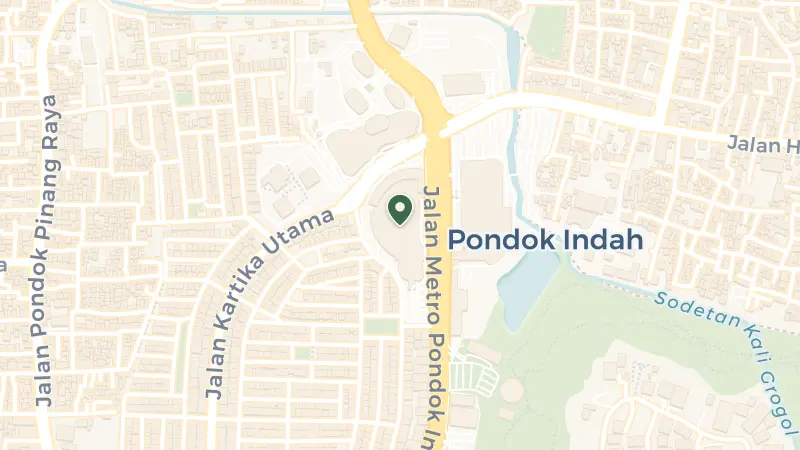
Jakarta sprawls across the northwestern edge of Java, where the murmur of street vendors mingles with the call to prayer from neighbourhood mosques and the hum of motorbikes threading through afternoon traffic. The city's colonial spine,once Batavia, nerve centre of Dutch East India Company power for three centuries,still surfaces in patches of Dutch-era architecture downtown, though most of the capital has surged forward into a tangle of skyscrapers, shopping malls, and residential towers. Pondok Indah, tucked into the Kebayoran Lama district of South Jakarta, offers a quieter register: an upscale enclave of tree-lined streets, international schools, and shopping centres that draw expatriate families and Indonesia's professional class. Nearby Tanah Kusir Cemetery holds the grave of Mohammad Hatta, the republic's first vice president, a reminder that even in Jakarta's sprawl, independence-era history sits close to the surface.
Halim Perdanakusuma International Airport lies twelve kilometres to the east, primarily serving domestic and charter flights. Soekarno-Hatta International Airport, the main international gateway, sits twenty-one kilometres northwest; expect about forty-five minutes to an hour by taxi depending on traffic, which in Jakarta means depending on the hour.
Pondok Indah Golf Course curves through the neighbourhood just over a kilometre away, a weekday escape for those who prefer early tee times before the heat settles in. The property's location in this residential district means dining beyond the hotel often takes the form of family-run warungs along Kebayoran Lama Road, where you can find nasi goreng kambing,goat fried rice with kecap manis,and soto betawi, Jakarta's signature beef soup rich with coconut milk and lemongrass. Markets like Pasar Cipulir, about four kilometres south, reveal Jakarta's everyday rhythm: stalls piled with rambutan and mangosteens, vendors grilling sate over charcoal, the smell of sambal and fried shallots heavy in the air.
For Jakarta's broader cultural landmarks, head north into the old city centre to explore Kota Tua, where Dutch colonial warehouses have been repurposed into museums chronicling the VOC era and Indonesia's struggle for independence. Book a table at one of the capital's modern Indonesian restaurants downtown to taste rendang or gado-gado reimagined with contemporary technique, though be prepared for the drive: traffic can stretch a fifteen-kilometre journey into an hour or more during evening rush.
Jakarta sits eight metres above sea level on the Java Sea, locked into the rhythms of equatorial monsoon. The dry season from June through September brings the clearest skies and the hottest days, temperatures pushing past thirty degrees by midday, the air heavy but less frequently interrupted by downpours.
October through December marks the return of the rains, sudden afternoon thunderstorms that flood low-lying streets and send office workers sheltering under shop awnings. January and February see the heaviest precipitation, though showers tend to come in intense bursts rather than lingering grey drizzle.
The shoulder months of April and May offer a middle ground: occasional rain, slightly cooler mornings, and fewer crowds at museums and markets. For the most predictable weather, plan for July or August, when humidity remains high but the skies mostly cooperate.
Frequently Asked Questions

Quotes are personally reviewed by Natasha Hardy, founder of The Uncommon Traveller
5.0 rating · 8 Google reviewsThere is no fee or markup. The hotel pays our commission.
Request a Quote