Regent Bali Canggu
When you book Regent Bali Canggu in Indonesia through our IHG Destined partnership, your stay includes daily breakfast for two and a $100 USD hotel credit per stay. You also receive a room upgrade, early check-in and late check-out when available. You continue earning IHG One Rewards points and elite night credits. No premium credit card or membership needed: request a quote and our advisor books it at the same rate as booking direct.
Exclusive Booking Perks
These perks are included with your stay at the same rate as booking direct with the hotel.
- $100 USD (or local currency equivalent) hotel credit per stay
- Daily complimentary breakfast for 2 guests (full or continental, depending on the hotel)
- Complimentary room upgrade (subject to availability)
- Local welcome amenity
- Early check-in / late check-out (subject to availability)
Location
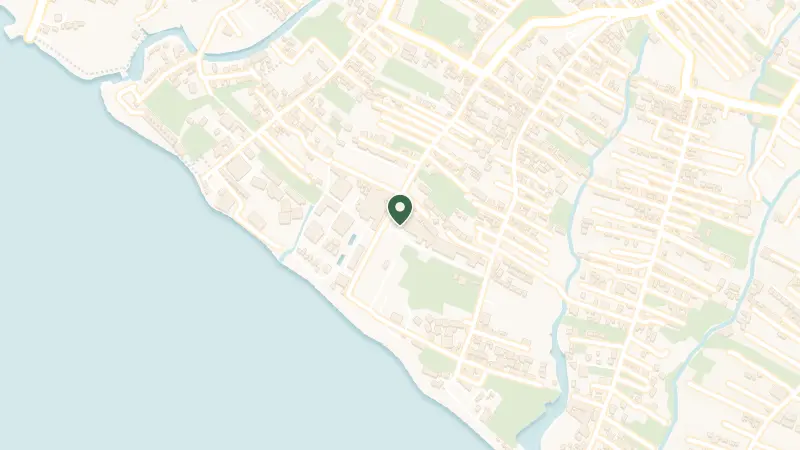
Regent's relaunch honors its 1970s heritage with a contemporary take on ultra-luxury: residential-scale suites, a service philosophy that favors discretion over formality, and a belief that the best hospitality feels unscripted. The brand's Bali debut brings that ethos to Canggu, a coastal village on Bali's southwest coast where rice paddies still meet the Indian Ocean and the rhythm is slower than the island's busier southern resorts. This is Hindu-majority Indonesia, where daily offerings appear on doorsteps before dawn and temple ceremonies punctuate the calendar. Canggu stretches along ten kilometres of black-sand coastline, a landscape shaped by surfers and creative transplants who arrived in the last two decades and stayed. The village retains its agrarian character, with family-run warungs tucked between villas and surf shops, and the air smells of frangipani and salt.
Batu Bolong beach lies 400 metres away, a pounding reef break that draws experienced surfers at dawn. Farther north, Pererenan remains quieter, its beach backed by coconut groves and a handful of seafood grills. The property sits within walking distance of BBC Batu Bolong Center Bazzar, a local market where vendors sell rambutan, salak, and woven palm frond baskets. Denpasar, the provincial capital and cultural anchor for Bali's 4.3 million residents, sits 20 kilometres southeast.
I Gusti Ngurah Rai International Airport is 11 kilometres south, a 30-minute drive depending on traffic through rice terraces and roadside temples. The upland town of Ubud, considered Bali's cultural heart, lies an hour northeast through the island's volcanic interior.
Canggu's appeal lies in its relative simplicity: surf before breakfast, motorbike rides through rice paddies, grilled seafood at sunset. Batu Bolong and the surrounding breaks attract intermediate to advanced surfers, with reef breaks that work best at mid to high tide. Pererenan Beach, a kilometre north, offers a mellower alternative and fewer crowds. Inland, the UNESCO-listed Cultural Landscape of Bali Province begins 53 kilometres northeast, where the subak terraces cascade down volcanic slopes in a cooperative irrigation system managed through water temples, a physical manifestation of the Tri Hita Karana philosophy that governs Balinese life. The terraces date back centuries, a living agricultural tradition that predates the island's tourism economy.
Closer in, Pasar Berawa, two kilometres southeast, is a neighbourhood market worth visiting for its morning energy: vendors selling jackfruit, snake fruit, and bundles of lemongrass. The village's warungs serve nasi campur, lawar, and babi guling, the latter a ceremonial roast pork spiced with turmeric and coriander. Book a motorbike and follow the coastal road north to Seseh Beach, a stretch of volcanic sand backed by mangroves and fishing boats, where the only development is a single warung grilling catch of the day.
The dry season runs from April through October, with July and August bringing the clearest skies and the coolest nights, temperatures dipping to 24°C after dark. The light is sharp, the Indian Ocean a clean turquoise, and the surf breaks work consistently. This is peak season, when villa rates climb and Canggu's beaches fill with Australian and European visitors escaping winter.
The wet season spans November through March, though rainfall arrives in short, violent bursts rather than day-long drizzle. Mornings often break clear before clouds build inland by afternoon. January and February see the heaviest rain, but the island turns vivid green, rice terraces flooded and replanted, and the humidity thick enough to taste.
May and September offer the best balance: fewer crowds, reliable weather, and shoulder-season calm. The ocean warms to 28°C, frangipani blooms in earnest, and the island feels like it belongs to the Balinese again.
Frequently Asked Questions

Quotes are personally reviewed by Natasha Hardy, founder of The Uncommon Traveller
5.0 rating · 8 Google reviewsThere is no fee or markup. The hotel pays our commission.
Request a Quote