
The Oberoi Beach Resort, Bali
When you book The Oberoi Beach Resort, Bali in Indonesia, through our Virtuoso partnership, your stay includes daily full breakfast for up to two guests and a $100 USD food and beverage credit. You also receive a room upgrade, early check-in and late check-out when available. No premium credit card or membership needed: request a quote and our advisor books it at the same rate as booking direct.
Exclusive Booking Perks
These perks are included with your stay at the same rate as booking direct with the hotel.
- Upgrade on arrival, subject to availability
- Daily Full breakfast for up to two guests per bedroom, served in the restaurant
- $100 USD equivalent Food & Beverage credit to be utilized during stay (not combinable, not valid on room rate, no cash value if not redeemed in full)
- Bookings in our Luxury Villas will also receive a complimentary 50 minute massage for up to two guests, per bedroom, once per stay
- Early Check-In / Late Check-Out, subject to availability
Guest feedback
9.6/10 from 1,033 guest reviews
By category
Guests liked
- Fantastic location
- Excellent service
- Great amenities
Points to consider
- Expensive onsite restaurant
- Rooms need updating
Location
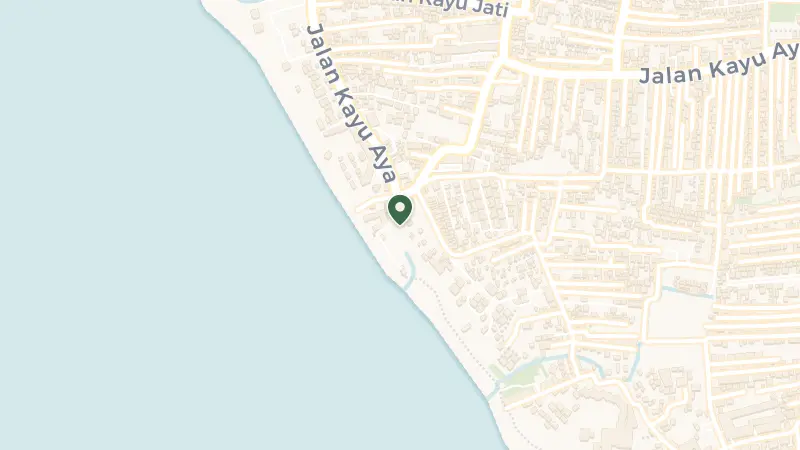
The Oberoi Group brings its legacy of attentive service and destination dining to Seminyak, where Bali's west coast sheds its backpacker past for high-end villas and polished beach clubs. This stretch of shoreline, just north of Kuta, has evolved into the island's most cosmopolitan enclave, where expatriate residents and discerning travelers converge along tree-lined lanes dotted with boutiques and galleries. The air carries salt and incense in equal measure, a reminder that Bali remains Indonesia's only Hindu-majority province, its spiritual life woven into daily rhythms even as luxury developments multiply.
Seminyak's coastline unfolds in a series of golden-sand beaches, each with its own character. Pantai Petitenget, less than a kilometre from the property, draws surfers and sunset-watchers to its black-sand temple grounds, while Pantai Double Six to the south hums with beach clubs and late-afternoon revelry. The neighbourhood itself is a grid of boutique shopping and dining, land prices among the highest on the island reflecting its concentration of international cuisine and custom furniture workshops.
Ngurah Rai International Airport lies seven kilometres southeast, a short transfer through rice paddies and temple-studded villages that gives way to Seminyak's groomed streets. Beyond the coastal resorts, Ubud's cultural heartland waits in the island's central highlands, and the UNESCO-listed subak rice terraces of Bali's cooperative water temple system extend across the province's volcanic slopes.
The property anchors explorations of Bali's surf culture and temple life. Seminyak's beaches deliver consistent swells for learners and intermediates, with Drifter Kayu Aya and neighbouring surf shops lining the coast within walking distance. Pantai Petitenget holds a sea temple where ceremonies honour the spirits of the ocean, its blackened sand and offshore breaks a world apart from the manicured beach clubs a few hundred metres south. The Kayu Aya market, two minutes on foot, offers a glimpse of local commerce before the tourist trade wakes.
Cultural immersion requires a journey inland. The subak system, fifty-five kilometres north and east, represents centuries of Balinese philosophy made visible in tiered rice paddies fed by temple-blessed water, a living expression of the Tri Hita Karana balance between humans, nature, and the divine. Book a sunrise visit to the terraces before the tour buses arrive, when farmers wade through flooded fields and the volcanic peaks emerge from morning mist. Back in Seminyak, the evening belongs to the beach: watch the sun drop into the Indian Ocean from Petitenget's temple grounds, then explore the neighbourhood's international dining scene along Jalan Kayu Aya.
The dry season from May through October brings Bali's finest weather, with August and September seeing the least rain and temperatures settling into the high twenties. The air turns crisp by island standards, humidity drops, and the rice terraces glow emerald against scrubbed blue skies. Surf swells peak during this window, drawing crowds to the west coast breaks.
November through April marks the wet season, though rain typically arrives in short, violent downpours rather than day-long drizzle. January and February see the heaviest precipitation, transforming roads into rivers and filling the terraced paddies that define the island's agricultural landscape. Mornings often break clear and warm before afternoon clouds build over the highlands.
December and the shoulder months of April and May offer a middle ground: fewer visitors, greener scenery, and sudden rain showers that clear as quickly as they arrive. The island's Hindu ceremonies continue year-round, their temple processions and gamelan music indifferent to the weather, though the dry months make temple-hopping considerably more comfortable.
Frequently Asked Questions

Quotes are personally reviewed by Natasha Hardy, founder of The Uncommon Traveller
5.0 rating · 8 Google reviewsThere is no fee or markup. The hotel pays our commission.
Request a Quote