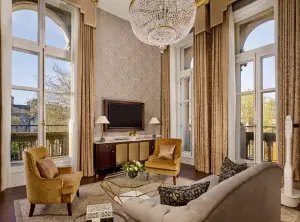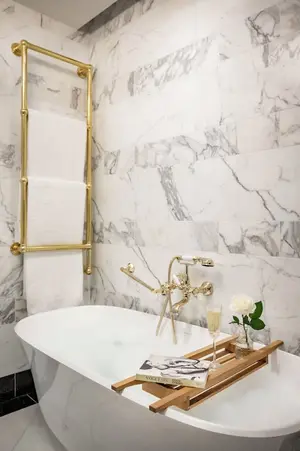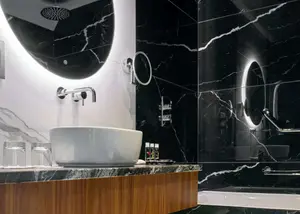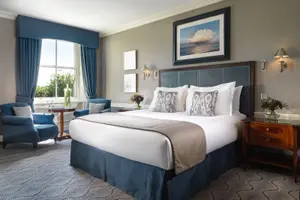
Anantara The Marker Dublin - A Leading Hotel of the World
When you book Anantara The Marker Dublin - A Leading Hotel of the World in Ireland through our Anantara Journeys partnership, your stay includes welcome amenities. You also receive a room upgrade when available. No premium credit card or membership needed: request a quote and our advisor books it at the same rate as booking direct.
Exclusive Booking Perks
These perks are included with your stay at the same rate as booking direct with the hotel.
- Unique local experience at each hotel
- 24-hour check-in & check-out (upon availability)
- Destination-specific gift in the room
- VIP status and welcome amenities
- No walk-out policy (except the cases of hotel buyout)
- Upgrade upon arrival (upon availability)
- Dedicated contact person at each property
Location
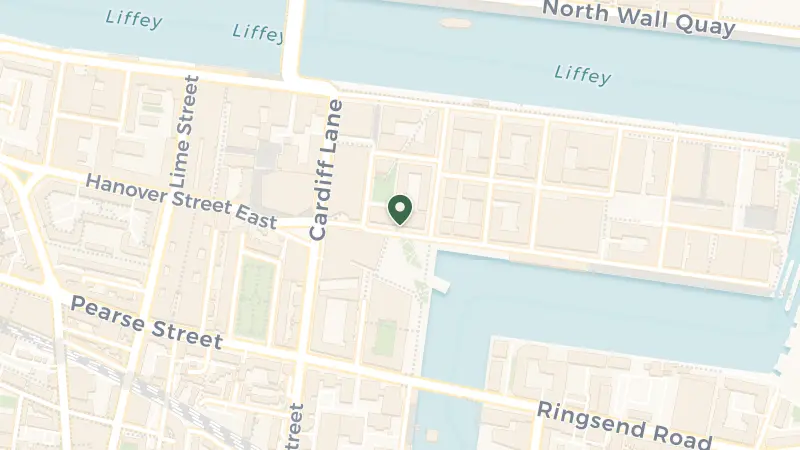
Anantara's name translates to "without end" in Sanskrit, a philosophy that shapes every property in the collection: immersive encounters with place, curated excursions that reach beyond the expected, and a genuine commitment to weaving local culture into the guest experience. In Dublin, that means positioning you at the edge of the Liffey in the South Dock district, where the river bends toward Dublin Bay and the city's maritime past meets its contemporary energy. Georgian townhouses step down to the quays; gulls wheel over the water; the sound of footsteps on cobblestones echoes through narrow laneways that open onto wide, light-filled squares.
Walk west and you're among the grand architecture of the city centre within minutes: Trinity College's cobbled quadrangles, the neoclassical Custom House reflected in the river, the spire of Christ Church Cathedral rising above the medieval quarter. Dublin has been Ireland's principal settlement since the 12th century, shaped first by Viking traders, then by Anglo-Norman ambition, later by Georgian elegance and 20th-century independence. That layered history is legible in the streetscape, in the way the Liffey divides northside grit from southside polish, in the pubs where conversation and live music blur into the early hours.
Dublin Airport lies nine kilometres north, a quick taxi ride through the city's northside neighbourhoods. The real arrival, though, is the first walk along the quays at dusk, when the bridges light up and the river turns silver-grey beneath the sky.
Dining in Dublin means engaging with both its Georgian refinement and its contemporary confidence. Patrick Guilbaud, 1.1 kilometres from the property, holds two Michelin stars and occupies a Georgian townhouse with gilt ceilings and hand-crafted marquetry; chef Mickael Viljanen's eponymous team delivers modern French cooking that has thrived here for decades. Book a table at Chapter One by Mickael Viljanen, two kilometres north, where the dining room is hung with striking contemporary art and the modern cuisine earns its second star through precision and elegance. For something more intimate, Liath sits 6.3 kilometres out in Blackrock: a handful of tables, a cosy room, and Damien Grey's creative cooking delivered with genuine warmth. The markets closer in offer a different texture: Moore Street and George's Street Arcade, both 1.7 kilometres west, are centuries-old trading spaces where vendors sell oysters, farmhouse cheeses, and second-hand books under Victorian ironwork.
The city's waterfront anchors much of the experience. Hanover Quay marina lies 300 metres from the hotel; Dublin Moorings is 600 metres upriver. For a longer excursion, the Neolithic passage tombs at Brú na Bóinne, 42 kilometres north along the Boyne, predate the pyramids and remain Europe's most important collection of prehistoric art. Closer in, the Georgian terraces of Merrion Square and St Stephen's Green offer quiet green spaces framed by brick and wrought iron, the kind of urban grace that defines Dublin's southside character.
Winter is cool and damp, with temperatures hovering between four and eight degrees. The light slants low over the Liffey, and the pubs fill early with turf smoke and talk. January and February bring the least rain, though the city rarely feels harsh; it's a soft, grey season suited to long afternoons in museums and warm interiors. Spring arrives slowly, with March still brisk and unpredictable, but by May the parks bloom and outdoor tables reappear along the quays.
Summer is the city's most generous season: temperatures reach the high teens, the days stretch until nearly 11pm, and festivals fill the streets. June sees the most rain, but it's a gentle, passing kind of weather, never oppressive. Autumn is perhaps the most atmospheric time to visit, when the horse chestnuts turn gold in Phoenix Park and the city settles back into its quieter rhythm, the air crisp and the crowds thinned.
Frequently Asked Questions

Quotes are personally reviewed by Natasha Hardy, founder of The Uncommon Traveller
5.0 rating · 8 Google reviewsThere is no fee or markup. The hotel pays our commission.
Request a Quote 7 Bib Gourmand