Hyatt Centric The Liberties Dublin
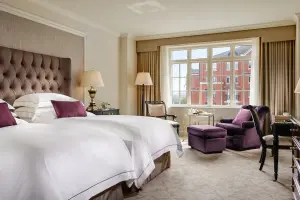
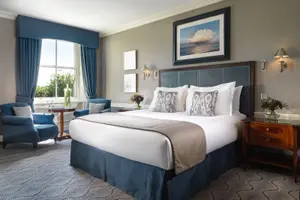
When you book Hyatt Centric The Liberties Dublin in Ireland through our Hyatt Privé partnership, your stay includes daily full breakfast for up to two guests and a property credit. You also receive a priority room upgrade when available. You continue earning World of Hyatt points and elite night credits. No premium credit card or membership needed: request a quote and our advisor books it at the same rate as booking direct.
Exclusive Booking Perks
These perks are included with your stay at the same rate as booking direct with the hotel.
- Welcome amenity provided to guests upon arrival.
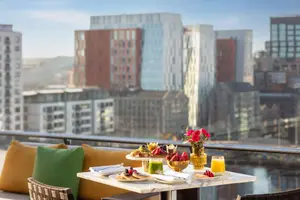
- Daily complimentary full breakfast at a hotel restaurant for up to two guests.
- Property credit (value varies by property).
- Priority for room upgrade (response within 24 hours of booking, subject to forecasted occupancy).
- Early check-in/late check-out/connecting rooms (response within 24 hours of request, subject to forecasted occupancy).
Location
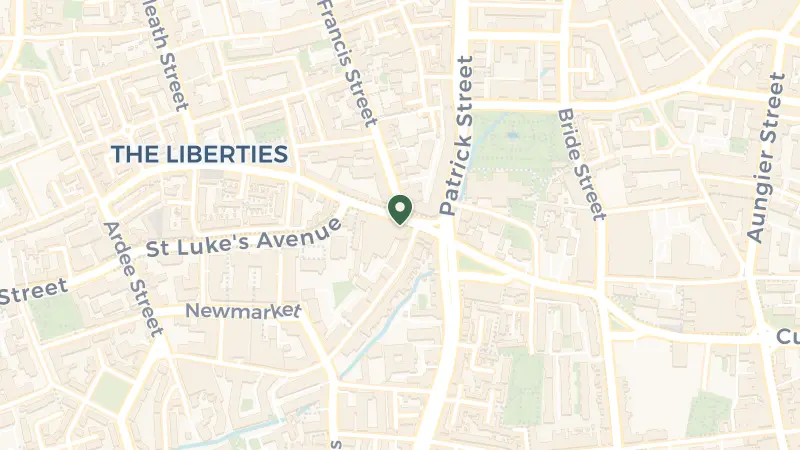
The Liberties sprawls across central Dublin's southwest quadrant, one of the city's oldest working-class neighbourhoods where the River Poddle once powered mills and the air still carries the malt-sweet scent of the Guinness brewery. Narrow streets lined with Victorian red-brick terraces open onto cobbled lanes where market traders have set up stalls for generations. This is Dublin at its most visceral: less polished Georgian elegance, more raw industrial heritage layered with family-owned pubs, independent distilleries, and the kind of corner shops that have served the same families since before independence. The quarter's name comes from its medieval status as a zone of special jurisdiction, separate from the main city government, and that independent streak persists in its character today.
Christ Church Cathedral rises just beyond the neighbourhood's northern edge, its Norman foundations dating to 1030, while Marsh's Library, Ireland's oldest public library, sits nearby with 25,000 volumes unchanged since 1707. Thomas Street runs west through the heart of The Liberties, lined with fabric merchants and second-hand bookshops, ending at the imposing facade of the old Guinness brewery complex. Walk east and you reach Temple Bar in fifteen minutes; Dame Street and Trinity College lie just beyond.
Dublin Airport sits 10 kilometres north, connected by bus and taxi in under half an hour when traffic allows, though morning rush can stretch that to forty-five minutes.
The Liberties unfolds best on foot. Books and Browsables Market operates 200 metres from the property, a jumble of vintage prints and dog-eared paperbacks, while The Liberty market, four streets over, draws weekend crowds for antique jewellery and reclaimed furniture. George's Street Arcade, a covered Victorian market 700 metres northeast, smells of roasting coffee and second-hand leather. Book a table at Patrick Guilbaud, 1.4 kilometres east in the Merrion Hotel, where Mickael Viljanen's two-Michelin-starred modern French cooking unfolds beneath a gilt barrel ceiling. Closer still, Chapter One by Mickael Viljanen holds two stars for its modern European plates served in a Georgian townhouse basement hung with contemporary art. Start with oysters at the Brazen Head, Dublin's oldest pub (1198), where the Liffey laps against stone wharves just beyond the back door.
Christ Church Cathedral charges a modest entry fee for access to its crypt, the largest in Britain or Ireland, where stone vaults shelter medieval manuscripts and the mummified remains of a cat and rat found trapped in an organ pipe. Marsh's Library requires advance booking but rewards with dark oak reading cages and Newton's annotated Principia. Don't miss Teeling Whiskey Distillery on Newmarket, where copper pot stills gleam behind plate glass and tasting flights run from floral single malts to sherry-casked reserves.
Winter settles grey and damp over Dublin, temperatures hovering near 7°C through January and February, the Liffey dark beneath low cloud. Rain arrives in soft, persistent drizzle rather than downpours. Streets empty early; firelit pubs fill by five.
Spring and early summer bring the city's finest light, long evenings stretching past nine o'clock in June when temperatures climb to the high teens. The Liberties' brick facades glow terracotta in slanted sun. Book between May and September for reliable walking weather, though a waterproof jacket earns its place year-round.
Autumn turns the Dublin Mountains rust and gold by October, temperatures sliding back to 13°C. November rains arrive heavy and frequent, soaking Georgian squares and slicking cobblestones, but the season suits those who prefer the city without crowds, when traditional music sessions start early and the smell of turf smoke drifts from chimneys along Thomas Street.
Frequently Asked Questions

Quotes are personally reviewed by Natasha Hardy, founder of The Uncommon Traveller
5.0 rating · 8 Google reviewsThere is no fee or markup. The hotel pays our commission.
Request a Quote 7 Bib Gourmand