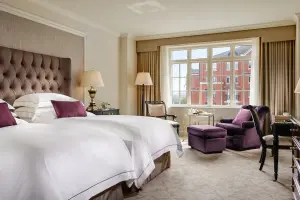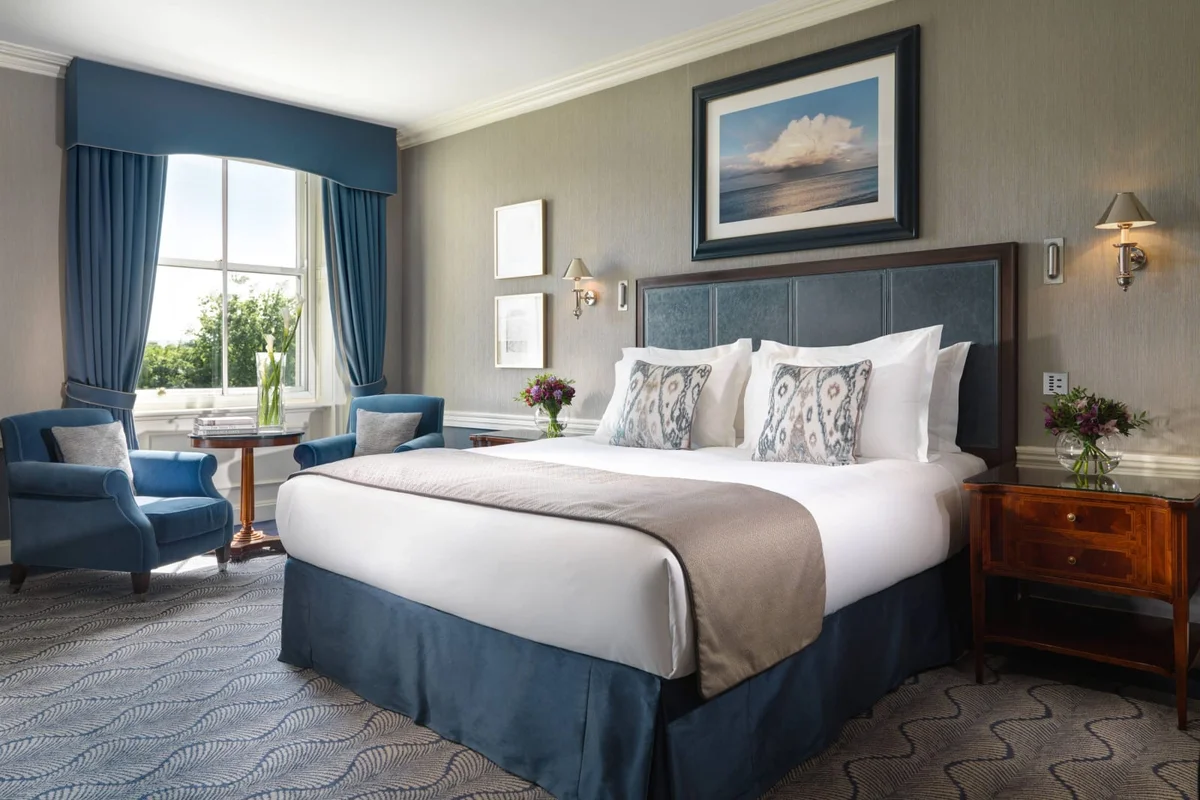
The Shelbourne
When you book The Shelbourne in Dublin, Ireland, through our Virtuoso partnership, your stay includes daily buffet breakfast for up to two guests and a $100 USD food and beverage credit. You also receive a room upgrade, early check-in and late check-out when available. No premium credit card or membership needed: request a quote and our advisor books it at the same rate as booking direct.
Special Offer
+ Book two nights or more in one of our luxury suites and enjoy an enhanced culinary experience. This exclusive offer includes a €150 food‑only dining credit for dinner in The Saddle Room Restaurant, in addition to the standard €100 amenity credit offering a total value of €250 to enjoy across the hotel's signature dining venues. Delight in refined modern Irish cuisine in The Saddle Room, enjoy a curated whiskey tasting in the legendary Horseshoe Bar, or linger over an elegant Afternoon Tea in The Lord Mayor's LoungeT&C's apply €150 food credit is valid exclusively for dinner in The Saddle Room Restaurant and cannot be used toward beverages or any other meal period
Exclusive Booking Perks
These perks are included with your stay at the same rate as booking direct with the hotel.
- Upgrade on arrival, subject to availability
- Daily Buffet breakfast for up to two guests per bedroom, served in the restaurant
- $100 USD equivalent Food & Beverage credit
- Early Check-In/ Late Check-Out, subject to availability
Location
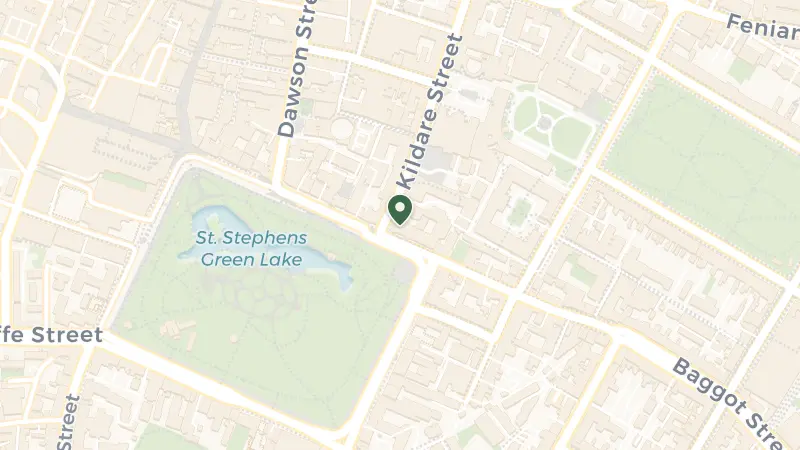
The Shelbourne occupies one of Dublin's most storied addresses, facing St Stephen's Green where Georgian terraces frame the city's oldest public park. The property anchors a neighbourhood of red-brick townhouses and wrought-iron railings, where literary history seeps from every corner: Joyce walked these streets, Wilde grew up minutes away, and the Irish Constitution was drafted within these walls in 1922. Step outside and you're enveloped in the texture of Georgian Dublin, cobblestones underfoot, the River Liffey a short walk north.
The surrounding streets hum with a particular energy, gallery openings spilling onto Merrion Square, bookshops lining Grafton Street, pubs where traditional sessions start after dark. Trinity College's campanile rises a few blocks east, its Long Room holding medieval manuscripts beneath barrel-vaulted ceilings. The Viking settlement that became Ireland's capital layers history at every turn: medieval churches tucked between glass office towers, Victorian markets still trading, the bay glinting silver beyond the port.
Dublin Airport lies ten kilometres north, connected by frequent bus services and taxis that navigate the city's left-hand traffic through Phibsborough and the North Circular Road.
Book a table at Patrick Guilbaud, two hundred metres from the hotel, where Modern French technique meets Irish ingredients beneath a gilt barrel ceiling and hand-crafted marquetry. The eponymous chef has maintained this standard for decades, his team delivering dishes that justify the two Michelin stars. For a more intimate setting, Chapter One by Mickael Viljanen sits 1.8 kilometres north in a Georgian basement gallery, where art-lined walls frame cooking of genuine finesse. Further afield, Liath in Blackrock, 6.7 kilometres south along the coast, offers just a handful of tables where Damien Grey presents creative, two-starred tasting menus with personal warmth.
George's Street Arcade, seven hundred metres southwest, is Dublin's oldest covered market, all Victorian ironwork and weekend crowds browsing vintage clothes and second-hand vinyl. Moore Street Market, 1.4 kilometres north, still trades fruit and vegetables as it has since the 1700s, vendors calling out prices in Dublin accents thick as treacle. On Sundays, the Ha'Penny Flea Market near the Liffey brings vintage hunters and antique dealers to the old city centre. Nature surfaces unexpectedly: Booterstown Marsh, 5.4 kilometres southeast, shelters brent geese and waders along a narrow coastal wetland between the railway and Dublin Bay.
Winter brings short days and soft grey light, temperatures hovering around 8°C, rain arriving in quick squalls off the Irish Sea. The city retreats indoors, pubs filling early, fires lit in Georgian drawing rooms. Spring stretches the evenings, daffodils appearing in St Stephen's Green by March, though real warmth waits until May when the city shakes off its winter coat.
Summer rarely exceeds 19°C, but the northern latitude means daylight lingers past ten o'clock in June and July. Dubliners colonize outdoor tables, Phoenix Park fills with picnickers, and the bay becomes swimmable for the hardy. September holds the best weather: stable, mild, the tourist crowds thinned, autumn light turning the Wicklow Mountains amber.
Autumn darkens quickly. November rains are persistent, the city turning inward again, but this is when Dublin feels most itself: bookshops busiest, theatres in full season, the literary calendar alive with readings and festivals.
Frequently Asked Questions

Quotes are personally reviewed by Natasha Hardy, founder of The Uncommon Traveller
5.0 rating · 8 Google reviewsThere is no fee or markup. The hotel pays our commission.
Request a Quote 7 Bib Gourmand