Cardo Roma, Autograph Hotel
When you book Cardo Roma, Autograph Hotel in Rome, Italy, through our Marriott Luminous partnership, your stay includes daily breakfast for two and a welcome amenity. You also receive a room upgrade, early check-in and late check-out when available. No premium credit card or membership needed: request a quote and our advisor books it at the same rate as booking direct.
Exclusive Booking Perks
These perks are included with your stay at the same rate as booking direct with the hotel.
- Welcome amenity
- Complimentary breakfast daily for two guests per room
- Early check-in and late check-out (when available)
- Complimentary upgrade (if available at check-in)
Guest feedback
8.8/10 from 701 guest reviews
By category
Guests liked
- Comfortable
- Good amenities
- Friendly staff
Points to consider
- Cleanliness concerns
- Location not ideal
Location
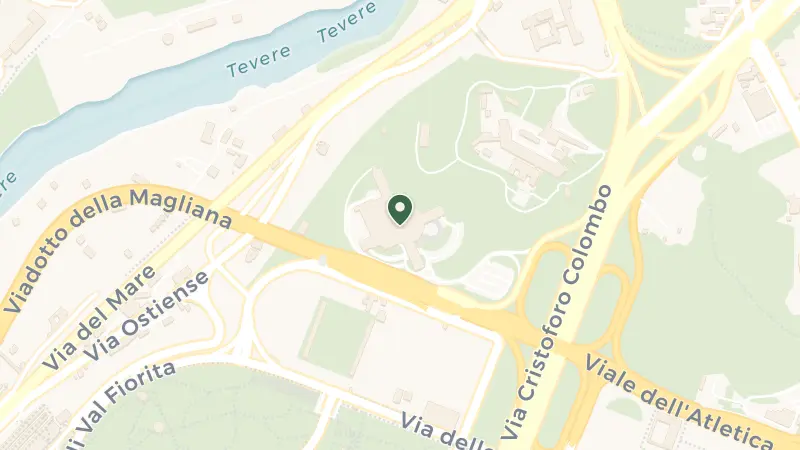
The Autograph Collection emphasizes personality over formula, each property shaped by local character rather than global templates. Cardo Roma takes this philosophy to the Eternal City, where 28 centuries of history layer beneath your feet and the Tiber curves through travertine and tufa stone.
Municipio Roma IX unfolds south of the centro storico, a residential quadrant where daily Roman life continues at its own rhythm. Markets open early along narrow streets, espresso machines hiss in corner bars, and laundry hangs between ochre facades. The neighbourhood feels lived-in rather than preserved, a working district where locals outnumber tour groups and the pace slows to something human. Mercato Coperto Magliana, just over a kilometre away, fills with vendors selling artichokes, pecorino, and porchetta by mid-morning.
Rome Fiumicino sits 19 kilometres west, reachable by Leonardo Express train or taxi along the autostrada that skirts the city's southern edge. Vatican City, the world's smallest sovereign state, lies seven kilometres northwest, its dome visible across rooftops on clear days.
The city's Michelin constellation begins with La Pergola, Rome's only three-starred table, eight kilometres north. Chef Heinz Beck orchestrates Mediterranean ingredients with surgical precision beneath a ceiling that recalls imperial grandeur. Closer in, Il Pagliaccio holds two stars for Anthony Genovese's globe-spanning tasting menus, which shift from Japanese umami to Peruvian heat within a single progression. Acquolina, also two-starred, interprets the Mediterranean canon seven kilometres away near Piazza del Popolo, its dining room stripped to elegant simplicity.
The Historic Centre of Rome, a UNESCO site since 1980, stretches six kilometres north: the Pantheon's coffers still pour light as they did in Hadrian's reign, the Forum's columns mark where senators once debated, and the Colosseum's travertine arches frame 50,000 spectators' worth of ambition. Book a late afternoon walk through Trastevere, where medieval alleyways open onto Renaissance piazzas and ivy climbs walls that predate the printing press. The Tiber glints between plane trees, its current unchanged since Romulus set the city's first stone.
Spring brings wisteria cascading over garden walls and temperatures climbing into the low twenties by May. The city shakes off winter's chill, cafés spill onto cobblestones, and the light turns honeyed by late afternoon. Easter crowds fill the Vatican, but surrounding neighbourhoods remain navigable.
Summer heat arrives in July, pushing thermometers past thirty degrees and emptying the city during August ferragosto. Locals flee to the coast; those who remain move slowly, seeking shade beneath awnings and lingering over chilled wine until the sun drops.
Autumn delivers Rome's finest weather. October days hover around twenty degrees, the humidity breaks, and the city exhales. Winter remains mild, temperatures rarely dipping below freezing, though rain sweeps through with conviction from November onward.
Frequently Asked Questions

Quotes are personally reviewed by Natasha Hardy, founder of The Uncommon Traveller
5.0 rating · 8 Google reviewsThere is no fee or markup. The hotel pays our commission.
Request a Quote 10 Bib Gourmand