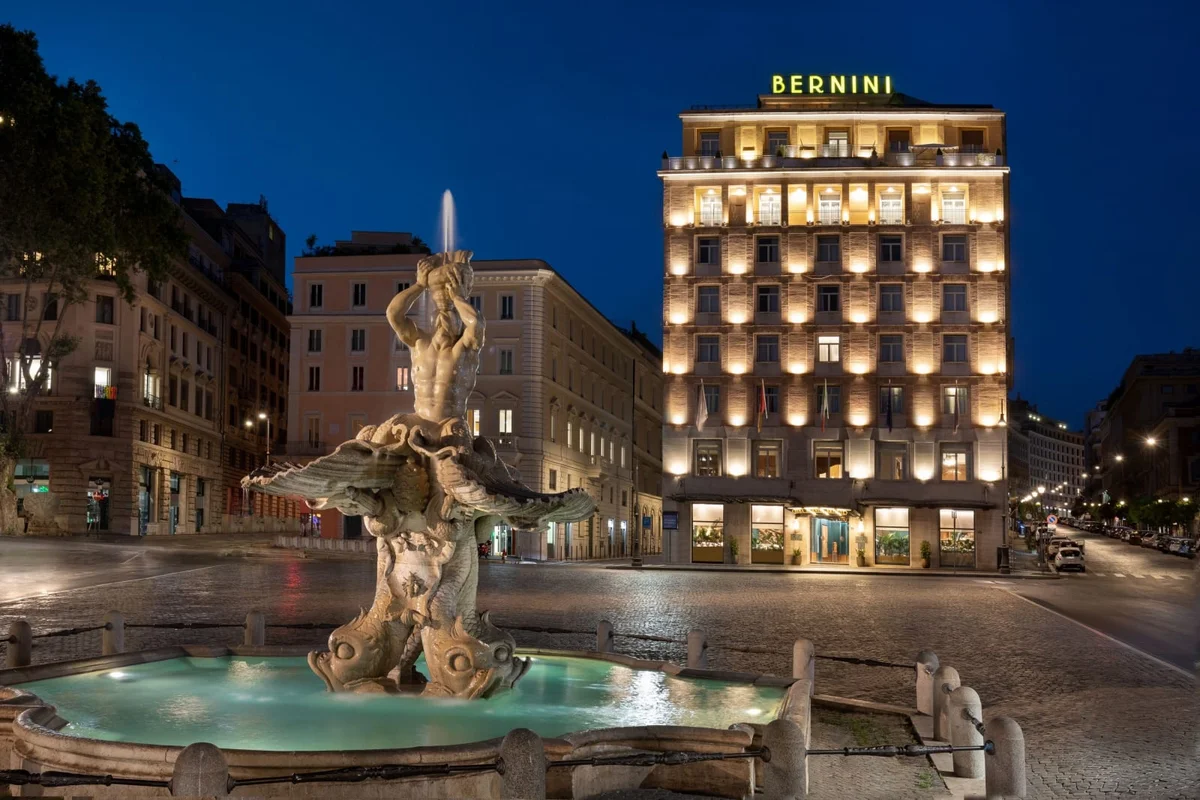
Sina Bernini Bristol, Autograph Collection
When you book Sina Bernini Bristol, Autograph Collection in Rome, Italy, through our Marriott Luminous partnership, your stay includes daily breakfast for two and a welcome amenity. You also receive a room upgrade, early check-in and late check-out when available. No premium credit card or membership needed: request a quote and our advisor books it at the same rate as booking direct.
Exclusive Booking Perks
These perks are included with your stay at the same rate as booking direct with the hotel.
- Welcome amenity
- Complimentary breakfast daily for two guests per room
- Early check-in and late check-out (when available)
- Complimentary upgrade (if available at check-in)
Guest feedback
8.4/10 from 290 guest reviews
Read what guests commentedBy category
Guests liked
- Excellent location
- Attentive and friendly staff
Points to consider
- Cleanliness issues
- Breakfast service could improve
Location
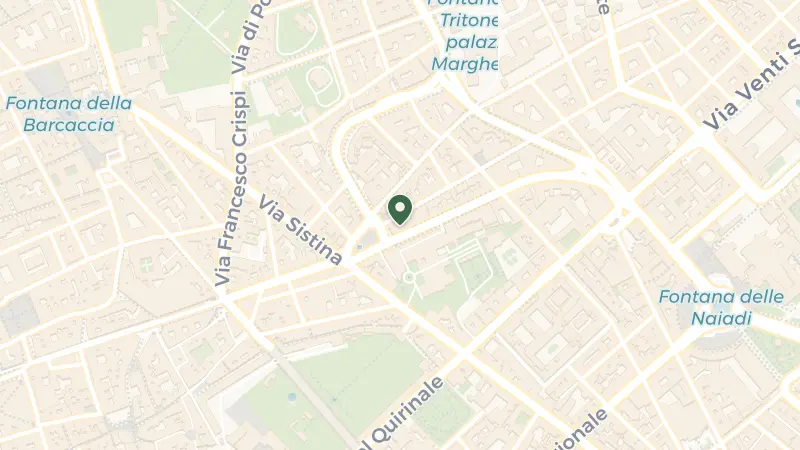
The Bernini Bristol sits on Piazza Barberini, where three Baroque streets converge around Bernini's Fontana del Tritone, a seventeenth-century centrepiece of whipped stone and sea gods. The property occupies the heart of Trevi, one of Rome's oldest rioni, where narrow cobbled lanes unravel from Via Veneto's café-lined boulevard. This is the Rome of layered centuries: patrician palaces, ochre-washed apartment blocks with shuttered windows, and staircases that spill down hillsides between umbrella pines.
The Trevi Fountain stands a five-minute walk south, its marble cascade drawing evening crowds who toss coins into Nicola Salvi's Baroque theatre of water and myth. Piazza di Spagna and the Spanish Steps lie minutes northwest, while the Via del Corso cuts through to the Pantheon. Churches hold Caravaggio canvases. Trattorie serve cacio e pepe in dining rooms that haven't changed their tablecloths in decades.
Rome's layered history spans twenty-eight centuries, from the Republic through Empire to the seat of the Catholic Church. The Tiber cuts through the city's western edge; Vatican City, an independent enclave within Rome's boundaries, rises three kilometres west. Fiumicino Airport sits twenty-three kilometres southwest, connected by the Leonardo Express rail link to Termini station, a short taxi ride from Piazza Barberini.
The property's position delivers Rome's most storied addresses on foot. The Historic Centre of Rome, a UNESCO site inscribed in 1980, spreads across the surrounding rioni: the Forum, Colosseum, and Pantheon form a circuit of republican and imperial monuments within two kilometres. Vatican City, another UNESCO inscription, holds Michelangelo's Sistine Chapel and St. Peter's Basilica three kilometres west. Book a table at Il Pagliaccio, a two-Michelin-starred restaurant 1.9 kilometres south, where chef Anthony Genovese traces a gastronomic route across continents with Italian precision.
Acquolina, two stars and 1.3 kilometres northwest near Piazza del Popolo, serves creative Mediterranean dishes in a dining room of understated contemporary design. For three-starred dining, La Pergola sits 3.9 kilometres north, its refurbished interiors echoing Rome's travertine and crimson palette. Campo de' Fiori market, 1.7 kilometres southwest, fills its piazza with vegetable stalls and morning theatre. The Mercato di Monti, 1.1 kilometres east, draws weekend browsers to vintage clothing and artisan food stands beneath vaulted ceilings.
Spring arrives with mild days and golden light that softens the ochre facades. April and May bring highs around 18 to 22°C, ideal for walking the Forum's dusty paths without summer's crushing heat. Rain falls more frequently in late spring, brief showers that clear to reveal sharp blue skies.
Summer turns brutal. July peaks above 30°C, the air thick and still in the afternoon. Romans abandon the centro storico for the coast; visitors who remain find quieter churches and long evening shadows. September cools to the mid-twenties, the city's rhythm returning as cafés refill and market crowds thicken.
Winter rarely dips below freezing, but December and January feel raw in the wind that funnels through the narrow streets. Occasional rain sweeps across the cobblestones. The city empties of tourists, and trattorias serve bowls of pasta alla gricia to locals wrapped in wool coats. October offers the best balance: warm afternoons, crisp mornings, and fewer crowds at the Pantheon's bronze doors.
Frequently Asked Questions

Quotes are personally reviewed by Natasha Hardy, founder of The Uncommon Traveller
5.0 rating · 8 Google reviewsThere is no fee or markup. The hotel pays our commission.
Request a Quote 10 Bib Gourmand