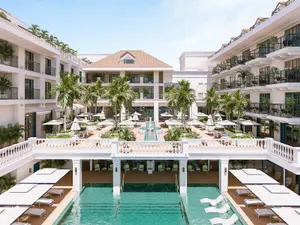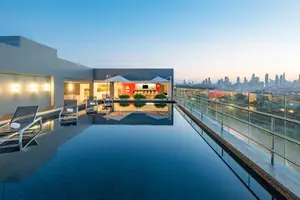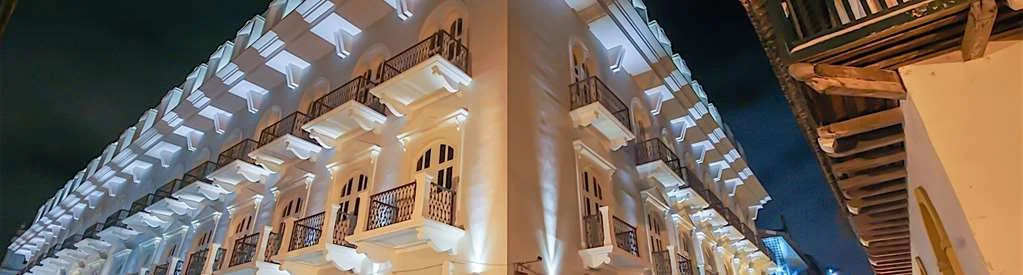
Central Hotel Panama Casco Viejo
When you book Central Hotel Panama Casco Viejo in Panama City, Panama, through our Fora Rates partnership, your stay includes breakfast and a $100 USD food and beverage credit. You also receive a room upgrade when available. No premium credit card or membership needed: request a quote and our advisor books it at the same rate as booking direct.
Exclusive Booking Perks
These perks are included with your stay at the same rate as booking direct with the hotel.
- Free upgrade subject to availability
- Complimentary breakfast
- Complimentary welcome drink
- $100 USD F&B credit
Location
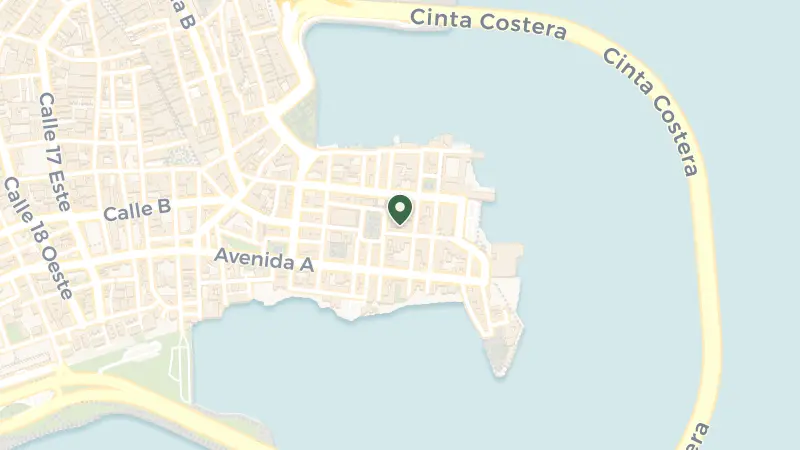
Casco Viejo spreads across a small peninsula jutting into the Pacific, where the city's colonial heart beats through cobblestone plazas and pastel-washed facades. Founded in 1673 after Henry Morgan's privateers burned the original Panama settlement to ash, this walled quarter became the safeguarded nucleus of Spanish imperial trade, the Pacific terminus where Peruvian silver flowed toward Portobelo and eventually across the Atlantic. Today, the neighbourhood holds its UNESCO World Heritage status with pride, balconies draped in bougainvillea overhanging streets where salsa spills from corner bars and the salt-air smell of the nearby ocean mingles with grilled corvina from sidewalk cevicherías.
Within walking distance stands the Palacio de las Garzas, the presidential palace dating to the neighbourhood's 1673 refounding, its white columns visible from the waterfront promenade. The San Felipe district wraps around plazas where cappuccino culture coexists with traditional fondas, and the ruins of Panama Viejo, the fire-scarred original city, lie eight kilometres east as a sobering monument to colonial ambition and its violent unravelling.
Marcos A. Gelabert International Airport sits three kilometres north for regional connections, while Tocumen International Airport handles long-haul arrivals twenty-one kilometres northeast. Taxis and ride services navigate the Cinta Costera waterfront highway into Casco Viejo's narrow streets with ease.
Start your mornings at Mercado Publico San Felipe Neri, seven hundred metres away, where vendors stack rambutan and mamey sapote beside plastic chairs serving sancocho, the restorative chicken stew Panamanians swear by for hangovers. Playa El Tuco, a pocket of sand two hundred metres from the peninsula's edge, offers Pacific sunsets watched from weathered seawalls where locals bring coolers and portable speakers on Friday evenings. Book a table at one of the restored colonial dining rooms along Avenida Central for ropa vieja or carimañolas, the torpedo-shaped yuca fritters filled with seasoned beef, best ordered with tamarind juice. The Panama Museum of Contemporary Art, established in 1962, anchors the city's modern creative scene with rotating exhibitions of Panamanian and Latin American artists.
Four kilometres southwest, the Amador Causeway connects three islands reclaimed from Panama Canal excavation spoil, now lined with marinas and seafood restaurants where the city skyline floats across the bay. Don't miss the nature reserves scattered around the metropolitan edges: Reserva Forestal Universitaria, three kilometres out, provides lowland tropical forest trails where howler monkeys announce dawn and dusk with guttural roars that carry through the canopy.
The dry season, stretching from mid-December through April, delivers crystalline mornings and evenings cool enough for sidewalk dining without the equatorial humidity pressing down. Streets fill with outdoor festivals, and the Pacific gleams cobalt under cloudless skies, temperatures hovering near thirty degrees.
May ushers in the wet season with afternoon downpours that drum on terracotta roofs and send everyone scrambling under arcade colonnades, the city washed green and glistening. Rain peaks through October, but mornings often break clear and luminous before clouds gather at midday.
November marks the transition back toward drier weather, the air lightening, the city shaking off the heaviest rains. Casco Viejo's stone streets dry faster than you'd expect, and the slight drop in humidity makes evening walks along the ramparts particularly inviting.
Frequently Asked Questions

Quotes are personally reviewed by Natasha Hardy, founder of The Uncommon Traveller
5.0 rating · 8 Google reviewsThere is no fee or markup. The hotel pays our commission.
Request a Quote