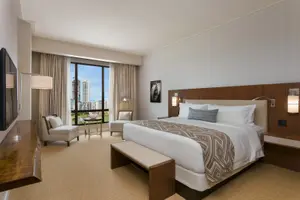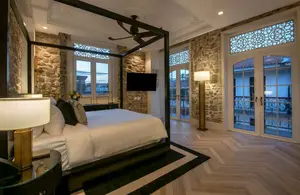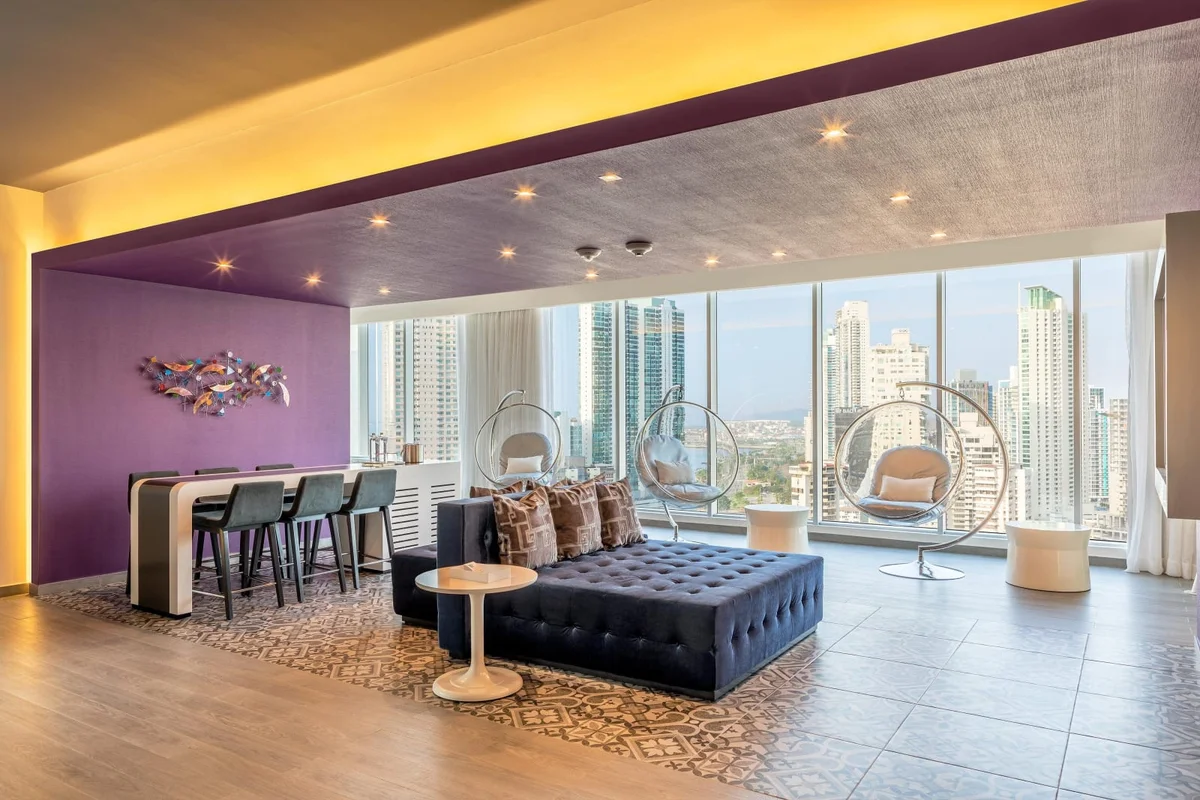
W Panama
When you book W Panama in Panama City, Panama, through our Marriott Luminous partnership, your stay includes daily breakfast for two and a welcome amenity. You also receive a room upgrade, early check-in and late check-out when available. You continue earning Marriott Bonvoy points and elite night credits. No premium credit card or membership needed: request a quote and our advisor books it at the same rate as booking direct.
Exclusive Booking Perks
These perks are included with your stay at the same rate as booking direct with the hotel.
- Welcome amenity
- Complimentary breakfast daily for two guests per room
- Early check-in and late check-out (when available)
- Complimentary upgrade (if available at check-in)
Location
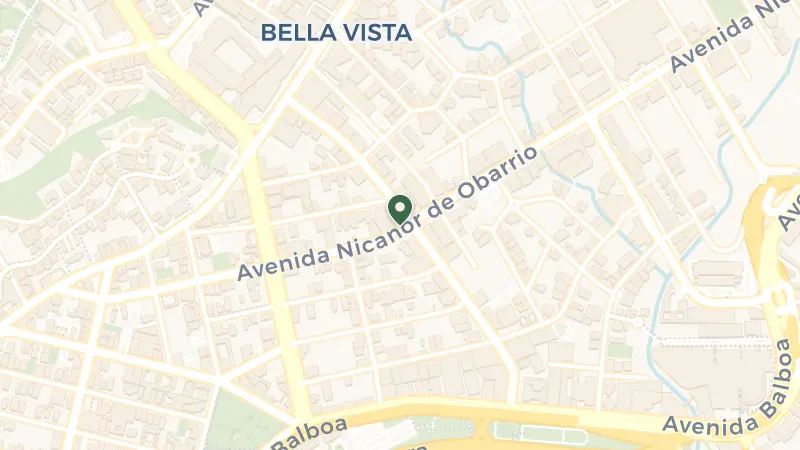
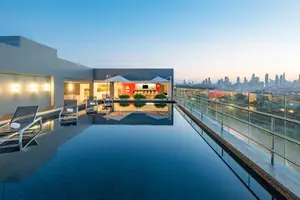
W Hotels brings its signature cocktail-fuelled energy to Panama City's financial district, where glass towers rise above Bella Vista and Obarrio, neighbourhoods that hum with banking executives by day and shift into Latin nightlife by evening. The brand's bold aesthetic and social programming find natural ground here, where contemporary Panama pulses hardest.
Panama City straddles centuries. The original settlement, founded in 1519 by Spanish conquistador Pedro Arias Dávila, served as the launching point for expeditions into Peru and the nerve centre of Spain's treasure routes through the Americas. After privateer Henry Morgan razed it in 1671, the city rebuilt on a peninsula eight kilometres west. Those ruins now form a World Heritage Site. The current city sprawls along the Pacific entrance to the Canal, its skyline a testament to Panama's position as a banking and logistics hub between two oceans.
Walk east from Bella Vista and you'll reach Casco Viejo's colonial plazas within twenty minutes. The Palacio de las Garzas, rebuilt in 1673, still functions as the presidential residence. Tocumen International Airport lies nineteen kilometres northeast; the closer Marcos A. Gelabert field, three kilometres away, handles regional flights and quick hops to beach resorts.
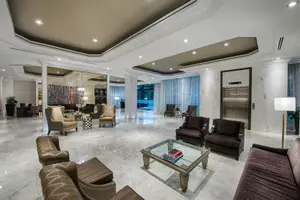
The property's Living Room lobby and cocktail programme cater to the after-work crowd that defines this neighbourhood. Beyond the hotel, Panama City rewards those who look past the banking towers. The Panama Museum of Contemporary Art, established in 1962, anchors the local arts scene. Book a water taxi from the Club De Yates y Pesca, under a kilometre south, to explore the causeway islands or the mangrove channels of Panama Viejo Mangroves Marine Coastal Reserve, four and a half kilometres east along the coast. Mercadito de buhonería and Mercado Publico San Felipe Neri, both within three kilometres, trade in everything from ceviche to handwoven molas.
The Colonial Transisthmian Route, inscribed as a World Heritage Site in 2025, traces the stone-paved camino that carried Spanish silver across the isthmus from the 16th century onward. Sections survive in Parque Nacional Camino de Cruces, nine kilometres north. Portobelo's Caribbean fortifications, built to protect those treasure fleets, lie sixty-five kilometres away on the opposite coast. Start early to beat the humidity and give yourself time to wander the coral-stone bastions before the afternoon rains roll in.
Panama City's dry season, December through April, delivers reliably clear skies and daytime highs around thirty degrees. Morning light sharpens the skyline; evenings cool just enough for outdoor tables. This is peak season for festivals and beach weekends on the Pacific islands.
May ushers in the rains. Afternoons darken with thunderheads that drench the streets for an hour, then pass. The city turns greener, quieter. Temperatures hold steady in the high twenties, but humidity thickens the air. October sees the heaviest downpours, though mornings often break clear.
November transitions back toward drier weather. Crowds thin, hotel rates soften, and the mangroves along the coast pulse with migratory birds. The light takes on a golden cast as the rains taper off.
Frequently Asked Questions

Quotes are personally reviewed by Natasha Hardy, founder of The Uncommon Traveller
5.0 rating · 8 Google reviewsThere is no fee or markup. The hotel pays our commission.
Request a Quote