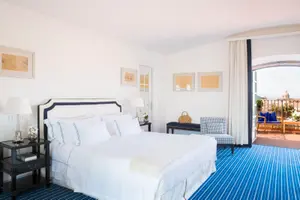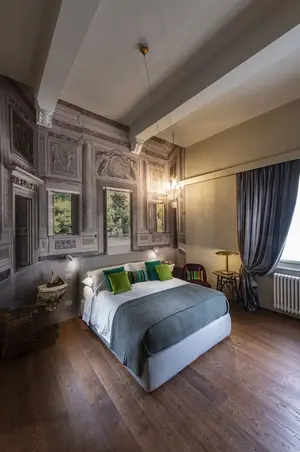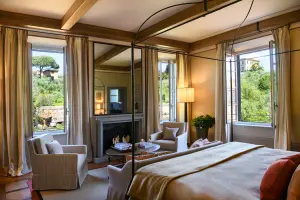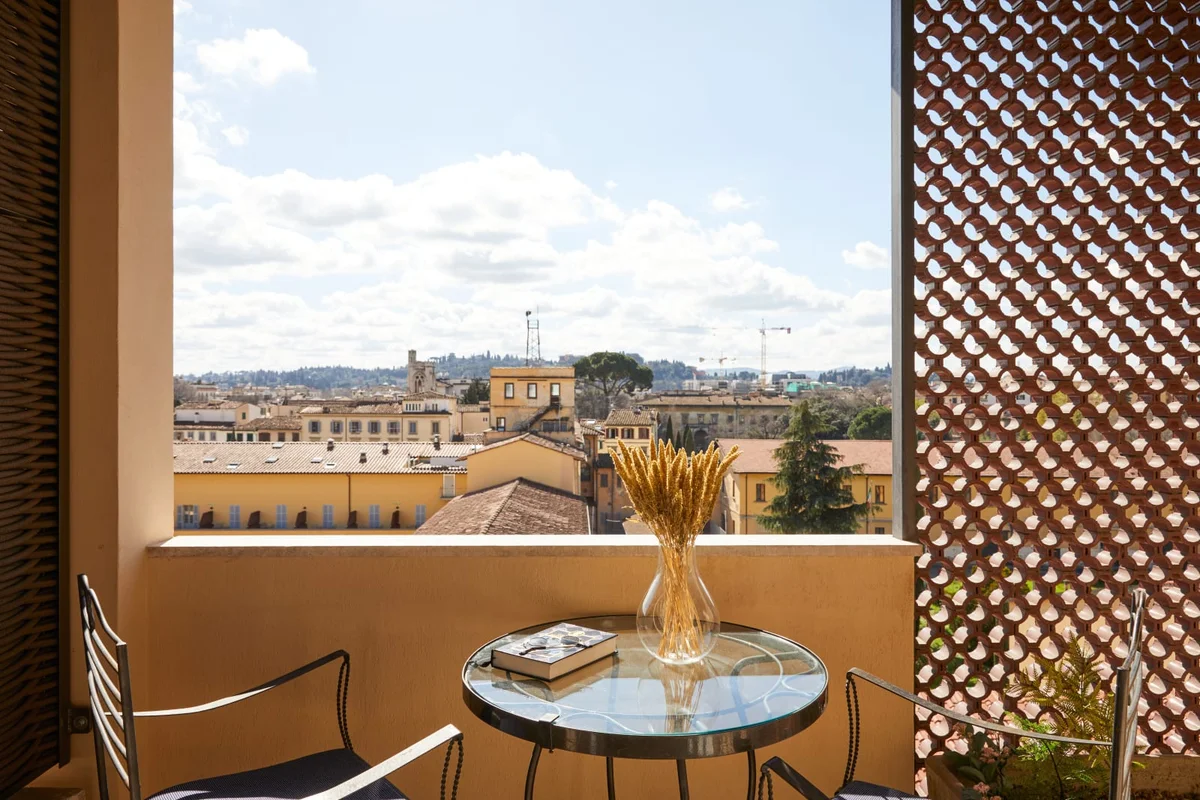
Hotel Indigo Florence by IHG
When you book Hotel Indigo Florence by IHG in Italy through our IHG Destined partnership, your stay includes daily breakfast for two, a $100 USD hotel credit per stay and a welcome amenity. You also receive a room upgrade, early check-in and late check-out when available. No premium credit card or membership needed: request a quote and our advisor books it at the same rate as booking direct.
Exclusive Booking Perks
These perks are included with your stay at the same rate as booking direct with the hotel.
- $100 USD (or local currency equivalent) hotel credit per stay
- Daily complimentary breakfast for 2 guests (full or continental, depending on the hotel)
- Complimentary room upgrade (subject to availability)
- Local welcome amenity
- Early check-in / late check-out (subject to availability)
Guest feedback
9.0/10 from 504 guest reviews
By category
Guests liked
- Friendly staff
- Clean rooms
- Excellent breakfast
Points to consider
- Minor issues with room size
- Some concerns about nighttime safety in the area
Location
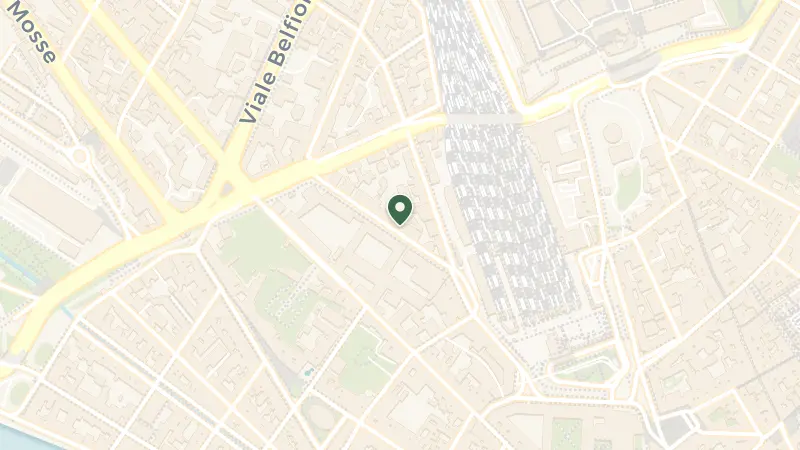
The property stands in Quartiere 1, the historic heart of a city that shaped Western culture as profoundly as Athens or Rome. Florence's turbulent past plays out in layers: medieval guildhalls crowd against Renaissance palazzi, and church facades designed by Brunelleschi overlook piazzas where Savonarola's bonfires once burned. The Florentine dialect spoken here became the foundation of modern Italian, codified by Dante and Petrarch when this trading hub controlled European finance and set artistic standards for centuries. The Medici legacy saturates every street, their patronage transforming a wool-trading republic into the birthplace of humanism.
Walk two minutes in any direction and you encounter history made tangible. The Duomo's terracotta dome rises impossibly over terracotta rooftops, visible from nearly every corner of the centro storico. The Arno River curves south, its embankments lined with goldsmiths' shops unchanged since the 16th century. Leather artisans still hammer at workbenches near San Lorenzo's market stalls, and the scent of espresso mingles with stone dust from restoration workshops tucked behind Gothic arches.
Florence Airport sits just five kilometres northwest, a brief taxi ride through Tuscan suburbs. Pisa's larger international terminal lies 69 kilometres west, connected by regular train service through rolling vineyard country.
The city's gastronomic legacy runs as deep as its artistic one. Enoteca Pinchiorri, nearly two kilometres south on Via Ghibellina, holds three Michelin stars and one of Italy's most revered wine cellars, a pilgrimage site for serious diners. Closer at hand, Luca's by Paulo Airaudo brings contemporary technique to Tuscan ingredients in a green boiserie dining room, earning its Michelin star with precision and invention. Book a table at either well in advance. For market atmosphere, the Mercato di San Lorenzo sprawls half a kilometre away, where vendors sell tripe sandwiches, aged pecorino, and cured meats beneath iron-and-glass pavilions. The Leather Market sits even closer, selling handmade belts, bags, and jackets from Florentine artisans.
The Uffizi demands at least half a day. Botticelli's Birth of Venus and Primavera hang here, alongside Caravaggio, Leonardo, and Titian. Across the river, the Pitti Palace and Boboli Gardens offer Medici opulence and Renaissance landscaping on a grand scale. Outside the city, the Medici Villas dot the Tuscan countryside ten kilometres out, each villa a testament to the family's cultural patronage and architectural vision.
July and August bring heat that empties the city by mid-afternoon, temperatures climbing past 30°C while tourists cluster in gelateria shade and locals flee to coastal Viareggio. The warm stone exhales centuries of accumulated sun. Spring and autumn hold Florence at its most gracious: April through June and September through October offer long daylight, temperatures in the low twenties, and that particular Tuscan clarity of light that made the Renaissance possible. Painters still set easels along the Arno to catch it.
Winter transforms the city into something more intimate. December through February see temperatures drop to single digits, occasional frost silvering the Boboli Gardens, and far smaller crowds in the Bargello's sculpture halls. The air smells of woodsmoke and roasting chestnuts. Rain falls heaviest in October and November, turning cobblestones slick and sending visitors into wine bars earlier than planned,not an unfortunate outcome in a city with this many historic cellars.
Frequently Asked Questions

Quotes are personally reviewed by Natasha Hardy, founder of The Uncommon Traveller
5.0 rating · 8 Google reviewsThere is no fee or markup. The hotel pays our commission.
Request a Quote 10 Bib Gourmand