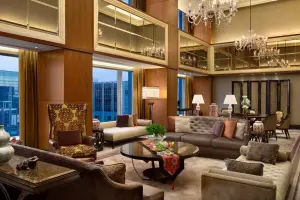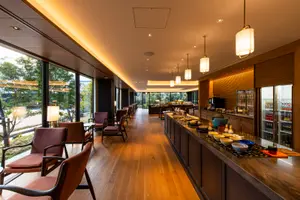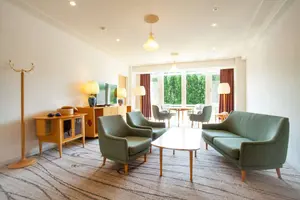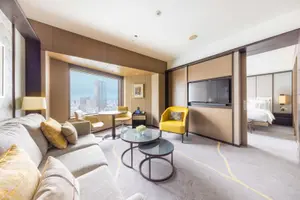
Imperial Hotel, Tokyo
When you book Imperial Hotel, Tokyo in Japan, through our Leading Hotels of the World partnership, complimentary perks are included with your stay. No premium credit card or membership needed: request a quote and our advisor books it at the same rate as booking direct.
Exclusive Booking Perks
These perks are included with your stay at the same rate as booking direct with the hotel.
- Bookings made via Leaders Club offers clients breakfast daily, VIP status, and early check in/late check out.
Guest feedback
9.6/10 from 184 guest reviews
Read what guests commentedBy category
Guests liked
- Exceptional service
- Prime location
Points to consider
- Noise from trains
Location
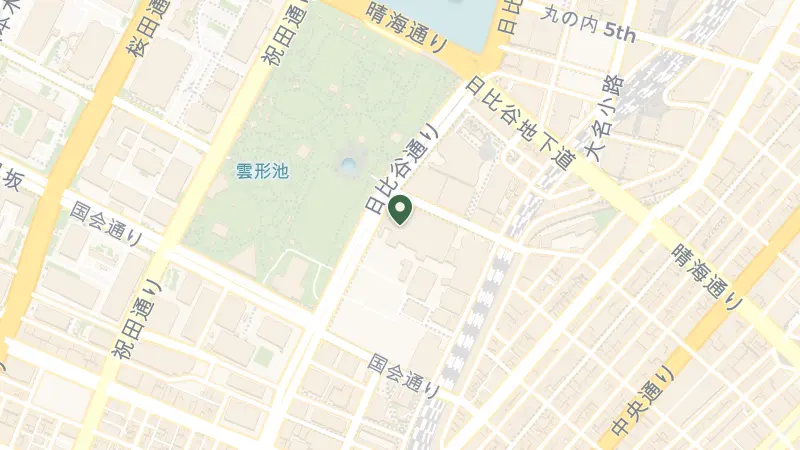
The Imperial Hotel has stood as Tokyo's ceremonial gateway since 1890, a property whose lineage has witnessed the city's transformation from Meiji-era capital to contemporary megalopolis. Its location in Uchisaiwaichō positions guests at the threshold of Chiyoda, where the National Diet Building and Tokyo Imperial Palace anchor the seat of Japanese power. Walk east and you reach the polished towers of Ginza, the city's original luxury district, where department stores still operate tea salons on upper floors and alleys hide third-generation tempura counters.
North lies the Hibiya district, a grid of European-influenced planning from the turn of the twentieth century, now home to theatres and the green expanse of Hibiya Park. The neighbourhood hums with a particular Tokyo paradox: salarymen in dark suits crossing intersections at dawn, elderly women in kimono shopping for ceremonial sweets, delivery cyclists weaving through both.
The property sits fifteen minutes from the Imperial Palace's outer gardens, where gravel paths trace the old moat. Tokyo Haneda International Airport lies fourteen kilometres south, connected by monorail and limousine bus.
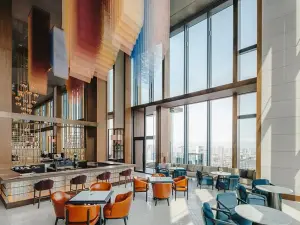
Two Michelin-starred kitchens operate on-site: Torakuro earned its star through a philosophy that marries the Imperial Hotel's tradition with the Ishikawa Group's forward vision, while Les Saisons, under chef Thierry Voisin, interprets French technique through Japan's seasonal calendar. Three kilometres northeast, RyuGin holds three Michelin stars for Seiji Yamamoto's scientifically precise approach to Japanese cuisine, including fugu preparation that demonstrates knife technique honed over decades.
Beyond the table, Hibiya Park offers a rare central refuge for early morning walks beneath ginkgo trees. The outer gardens of the Imperial Palace, less than two kilometres northwest, open their gravel paths to the public year-round, though the palace interior admits visitors only twice annually. Tsukiji Outer Market, despite the wholesale market's relocation, remains a warren of knife shops and standing sushi bars two kilometres southeast. Don't miss the seasonal exhibitions at the Tokyo National Museum in Ueno, five kilometres north, where rotating displays reveal Heian-era scrolls and Edo lacquerware.
Winter brings crystalline light and daytime temperatures around eight degrees, the air so dry that Mount Fuji appears sharp on the horizon from elevated vantage points. Spring arrives with sudden warmth in late March, when cherry blossoms blanket Chidorigafuchi moat and temperatures climb into the mid-teens. By late April, the city sheds its coats.
Summer descends humid and relentless from June through August, with temperatures pushing thirty degrees and afternoon thunderstorms that clear as quickly as they form. September remains warm but signals the shift.
Autumn is Tokyo's finest season: clear skies, comfortable mid-twenties temperatures in October, and ginkgo leaves turning gold along the palace boulevards by late November. Visit between October and early December for the most temperate days and lowest rainfall.
Frequently Asked Questions

Quotes are personally reviewed by Natasha Hardy, founder of The Uncommon Traveller
5.0 rating · 8 Google reviewsThere is no fee or markup. The hotel pays our commission.
Request a Quote 111 Bib Gourmand