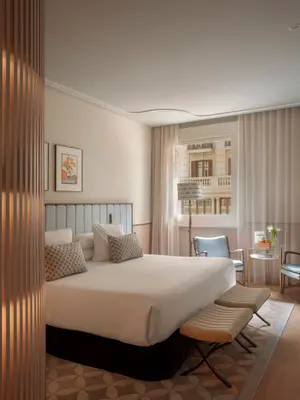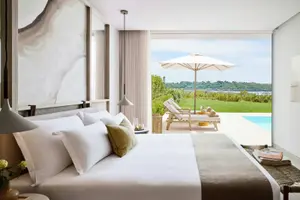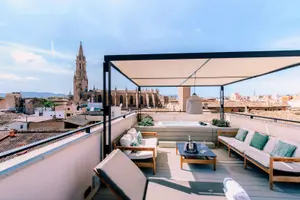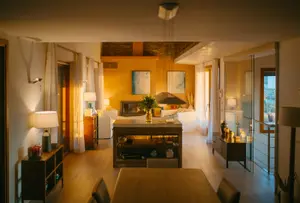
La Residencia, A Belmond Hotel, Mallorca
When you book La Residencia, A Belmond Hotel, Mallorca in Spain, through our Virtuoso partnership, your stay includes daily breakfast for up to two guests and a $100 USD food and beverage credit. You also receive a room upgrade, early check-in and late check-out when available. No premium credit card or membership needed: request a quote and our advisor books it at the same rate as booking direct.
Exclusive Booking Perks
These perks are included with your stay at the same rate as booking direct with the hotel.
- Upgrade on arrival, subject to availability
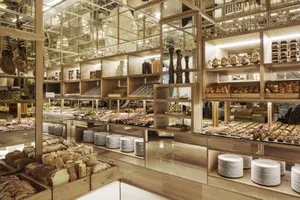
- Daily breakfast for up to two guests per bedroom, served in the restaurant
- $100 USD equivalent Food & Beverage credit utilized during stay (not combinable...)
- Early Check-In / Late Check-Out, subject to availability
Guest feedback
9.5/10 from 375 guest reviews
Read what guests commentedBy category
Guests liked
- Exceptional service
- Beautiful location
- Outstanding amenities
Location
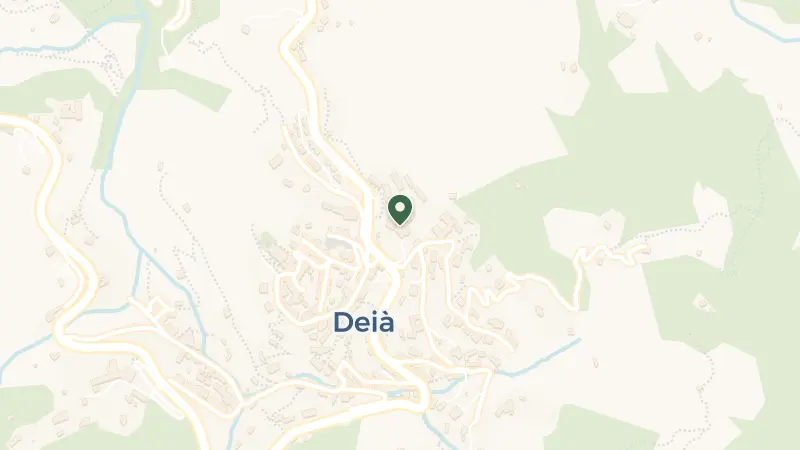
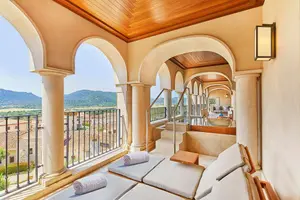
Belmond's portfolio follows terrain where cultural heritage meets natural drama, and La Residencia occupies one of the most striking such junctures in the Mediterranean. The hotel sits in Deià, a coastal village pressed into the Serra de Tramuntana, where terraced olive and orange groves descend toward the sea in improbable cascades. This northern ridge of Mallorca has drawn artists and writers since the 1920s, when Robert Graves arrived and stayed until his death, his presence establishing the village as a refuge for literary and musical expatriates. The Cultural Landscape of the Serra de Tramuntana, a UNESCO World Heritage Site encompassing the mountain range four kilometres from the property, recognizes millennia of agricultural ingenuity on near-vertical slopes.
The village itself consists of honey-coloured stone houses climbing narrow streets, their shutters closed against the midday sun. You hear cowbells from the hills, the clack of dominoes from café tables, the particular quiet of a place that has resisted the island's mass tourism. To the southeast, about an hour by road, Palma de Mallorca Airport receives twenty-eight million passengers annually, but Deià remains a pocket of the island that predates package tours.
Walking distance encompasses little beyond the village centre, cafés, and trailheads into the Tramuntana. This is a destination for those who come to settle in rather than tick off sights.
El Olivo occupies a seventeenth-century oil mill on the property, the original Mallorcan tafona still visible within the dining room. Chef Pablo Aranda works a modern Mediterranean line with Arabic influences, the menu shifting with what arrives from the orchards and fishing boats. Book a table here for the quieter side of the island's culinary identity, away from Palma's busier dining rooms. Three and a half kilometres west along the coast, Béns d'Avall holds one Michelin star and clings to a clifftop with views that make the winding approach worthwhile. In Palma, Marc Fosh operates his one-starred restaurant inside a converted seminary from the 1600s, modern and regional cooking served in the historic quarter.
The village sits at the edge of serious walking country. Trails lead to Es Salt, a waterfall one and a half kilometres inland, and deeper into the Tramuntana toward nature reserves and higher peaks. The nearest beaches require a short drive: es Canyaret at two kilometres, platja d'en Repic's sand six kilometres north in Port de Sóller. Several wineries operate within twenty kilometres for those interested in Mallorcan viticulture, though the real draw here is the landscape itself, the way light moves across terraces that have been worked for a thousand years.
July and August bring heat that empties the village by mid-afternoon, temperatures climbing past twenty-eight degrees, the stone streets radiating warmth until well after dark. These months see almost no rain and the Mediterranean at its calmest, though the tramuntana wind can arrive without warning even in high summer.
Spring and autumn offer the best walking conditions, temperatures in the high teens to low twenties, wildflowers covering the hillsides in April and May. October sees the grape harvest and occasional heavy rainfall, the landscape turning green again after the summer dormancy.
Winter is mild by northern European standards, daytime highs around fourteen or fifteen degrees, but the village takes on a different character when the foreign residents depart and wood smoke rises from chimneys. Rain is more frequent, the mountains often capped with cloud, and the few open restaurants fill with locals rather than visitors.
Frequently Asked Questions

Quotes are personally reviewed by Natasha Hardy, founder of The Uncommon Traveller
5.0 rating · 8 Google reviewsThere is no fee or markup. The hotel pays our commission.
Request a Quote 2 Bib Gourmand