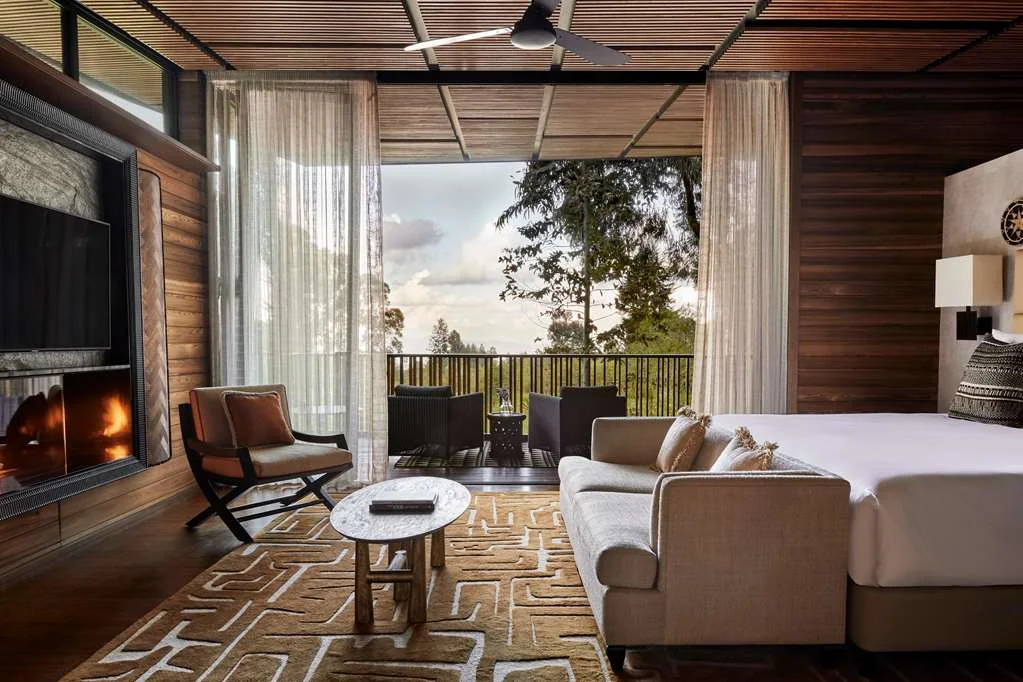
One&Only Gorilla's Nest
Rwanda Rwanda Africa
When you book One&Only Gorilla's Nest in Rwanda through our Virtuoso partnership, your stay includes daily breakfast for up to two guests and a $100 USD food and beverage or spa credit. You also receive a room upgrade, early check-in and late check-out when available. No premium credit card or membership needed: request a quote and our advisor books it at the same rate as booking direct.
Exclusive Booking Perks
These perks are included with your stay at the same rate as booking direct with the hotel.
- Upgrade on arrival, subject to availability
- Daily Breakfast for up to two guests per bedroom, served in the restaurant and via in-room dining (already included in property rates)
- $100 USD equivalent Food & Beverage or Spa credit
- Early Check-In / Late Check-Out, subject to availability
Location
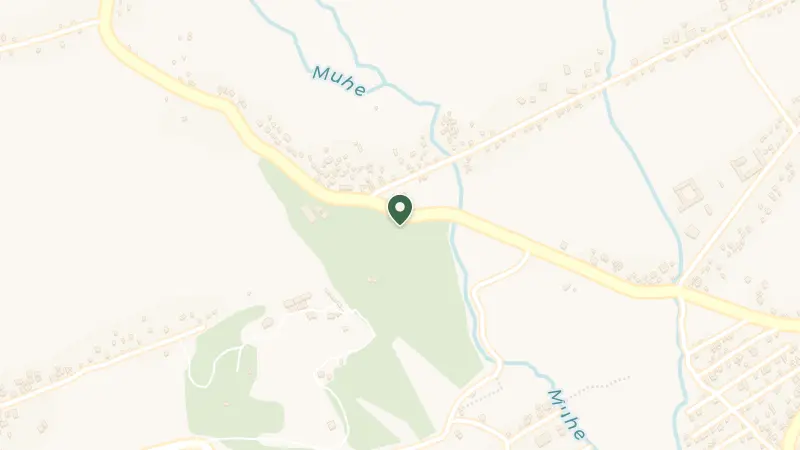
One&Only creates its ultra-luxury retreats in landscapes chosen for their natural drama, and few settings answer that brief like the volcanic highlands of northwestern Rwanda. The property sits at the edge of Volcanoes National Park, where the Virunga chain rises in a series of mist-wrapped peaks that shelter the last mountain gorillas on earth. This is terrain shaped by ancient eruptions and persistent cloud, a place where elevation tempers the equatorial sun and morning fog clings to stands of bamboo and hagenia forest. Kinigi, the nearest settlement, serves as the gateway to gorilla trekking expeditions; from here, guides lead small groups into the park's volcanic slopes for encounters that can feel both profound and improbably intimate.
Rwanda rebuilt itself with remarkable speed after the 1994 genocide, and the Virunga region became a cornerstone of that renewal. Conservation efforts transformed Volcanoes National Park into one of Africa's most successful wildlife protection stories, drawing travelers willing to pay premium permit fees that fund both gorilla monitoring and community development. The result is a destination where luxury tourism and ecological stewardship operate in tandem, and where the morning drive to a trailhead doubles as a lesson in what careful management can achieve.
Kigali International Airport lies 86 kilometres southeast, a drive that climbs through terraced hillsides and eucalyptus groves, the capital's order giving way to the volcanic north's wilder character.
Volcanoes National Park, four kilometres from the property, is the centrepiece of any stay here. Gorilla trekking permits must be secured months in advance; the hikes themselves range from an hour to a full day depending on where the habituated families have moved, scrambling through bamboo thickets and across volcanic scree until trackers locate the group. The hour spent in their presence is regulated and silent, but watching a silverback move through undergrowth with astonishing delicacy or juveniles tumble in mock combat is the kind of encounter that recalibrates what you thought you knew about primate intelligence. Golden monkey tracking offers a lighter alternative, these acrobatic primates leaping through the forest canopy in groups that can number a hundred or more. Book a visit to the Karisoke Research Centre, 11 kilometres into the park, founded by Dian Fossey and still active in gorilla monitoring and anti-poaching work.
Beyond primate encounters, the Gorges de Sabinyo, seven kilometres west, offer steep hiking through cloud forest to a point where Rwanda, Uganda, and the Democratic Republic of the Congo converge. The Musanze agricultural market, ten kilometres south, trades in Irish potatoes and pyrethrum, the volcanic soil producing crops with an intensity that feeds the region's economy.
The highland climate here operates on its own terms, the altitude keeping temperatures mild year-round but dictating when the mountains reveal themselves. June through September and December through February mark the dry seasons, when morning skies often clear to expose the Virunga peaks in sharp relief and trekking trails firm underfoot.
March through May and October through November bring the heavy rains, the volcanic slopes shrouded in persistent mist and tracks turning to mud. April and November see the most dramatic downpours, afternoon thunderstorms rolling in with equatorial punctuality. Trekking remains possible, but expect to scramble through slick bamboo and return caked in red volcanic clay.
The dry months offer the clearest conditions, but gorilla sightings depend on primate movement rather than weather. Any season can deliver that transformative encounter; the difference is whether you'll make the approach in sharp sunlight or equatorial drizzle.
Frequently Asked Questions

Quotes are personally reviewed by Natasha Hardy, founder of The Uncommon Traveller
5.0 rating · 8 Google reviewsThere is no fee or markup. The hotel pays our commission.
Request a Quote