One&Only Nyungwe House
Rwanda Rwanda Africa
When you book One&Only Nyungwe House in Rwanda through our Virtuoso partnership, your stay includes daily breakfast for up to two guests and a $100 USD food and beverage or spa credit. You also receive a room upgrade, early check-in and late check-out when available. No premium credit card or membership needed: request a quote and our advisor books it at the same rate as booking direct.
Exclusive Booking Perks
These perks are included with your stay at the same rate as booking direct with the hotel.
- Upgrade on arrival, subject to availability
- Daily breakfast for up to two guests per bedroom, served in the restaurant and via in-room dining (already included in property rates)
- $100 USD equivalent Food & Beverage or Spa Services credit
- Early Check-In / Late Check-Out, subject to availability
Location
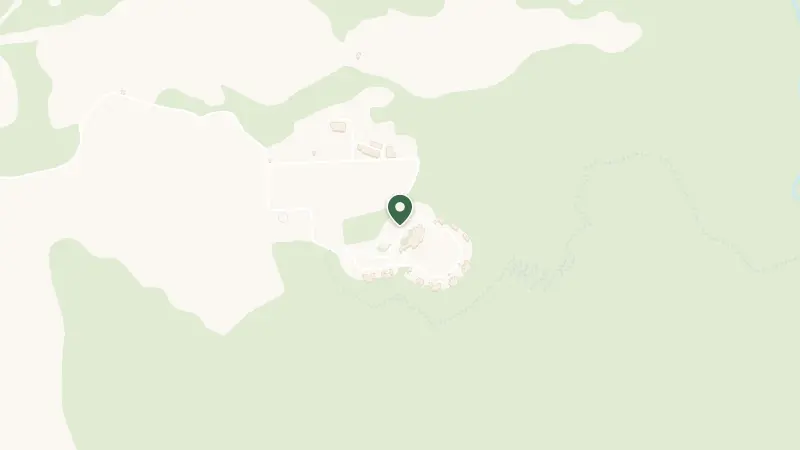
One&Only delivers ultra-luxury through exclusivity and landscape, selecting locations for their natural drama rather than urban convenience. Here, that philosophy finds its fullest expression: the property sits at the edge of Nyungwe National Park, a UNESCO World Heritage rainforest that blankets the mountains of southwestern Rwanda with one of Africa's oldest intact montane ecosystems. The terrain is relentlessly vertical, tea plantations terracing the lower slopes in vivid green before the forest takes over, dense canopy climbing ridges that vanish into mist. This is the Land of a Thousand Hills made literal, every view a study in layered elevation and cloud shadow.
Gisakura, the nearest village, threads along the valley floor where locals trade at small markets like Buhinga and Ingurube, the rhythm set by foot traffic and motorcycle taxis rather than paved thoroughfares. The air at this altitude carries a cool edge even under equatorial sun, scented with eucalyptus and wet earth. Rwanda's recent history, including the 1994 genocide memorialized at sites like Gisozi, informs the country's present character: a determined focus on conservation, reconciliation, and forward momentum.
Kamembe Airport lies 22 kilometres east, a short drive through hill country. Most international travelers connect through Kigali, the capital perched 1,567 metres above sea level in the country's geographic centre, then continue overland or via domestic flight.
Nyungwe National Park, 20 kilometres from the property, is the reason to be here. The forest harbours 13 primate species, including chimpanzees and a 400-strong troop of Angolan colobus monkeys, their black-and-white coats flashing through the canopy. Guided walks lead to hanging canopy walkways suspended 50 metres above the forest floor, orchids and epiphytes crowding the branches at eye level. The terrain is steep and often muddy; waterproof boots and a reasonable fitness level are non-negotiable. Isumo waterfall, nearly ten kilometres away, rewards the trek with a cascade tumbling through moss-covered rock. Peat bogs and moorland punctuate the higher elevations, an unexpected landscape shift from dense rainforest.
Tea estates dominate the lower valleys. Rwesero and other local markets operate on fixed days each week, women selling tomatoes, cassava, and passion fruit from woven baskets, everything priced in Rwandan francs. Book a private tea tasting to understand how altitude affects flavour, or simply drive the switchback roads at dusk when the light turns the terraces gold. Without Michelin-starred dining within 50 kilometres, the focus shifts entirely to the property and the forest that surrounds it.
June and July bring the long dry season, skies clearing to reveal the full extent of the ridgelines, daytime temperatures hovering around 20 degrees Celsius. Nights cool sharply, dropping to 11 or 12 degrees, the altitude asserting itself after dark. This is the prime window for primate tracking, trails drying out enough for easier navigation.
March, April, October, and November deliver the heaviest rains, more than 600 millimetres monthly, the forest exploding with growth and waterfalls reaching full volume. The canopy drips constantly, mist clinging to the valleys until midday. Trails turn slick, but the trade-off is solitude and impossibly saturated greens.
January and February mark the short dry season, a quieter alternative with manageable rainfall and fewer visitors. August and September straddle the transition, occasional showers punctuating otherwise clear days, the forest still lush from the preceding rains.
Frequently Asked Questions

Quotes are personally reviewed by Natasha Hardy, founder of The Uncommon Traveller
5.0 rating · 8 Google reviewsThere is no fee or markup. The hotel pays our commission.
Request a Quote