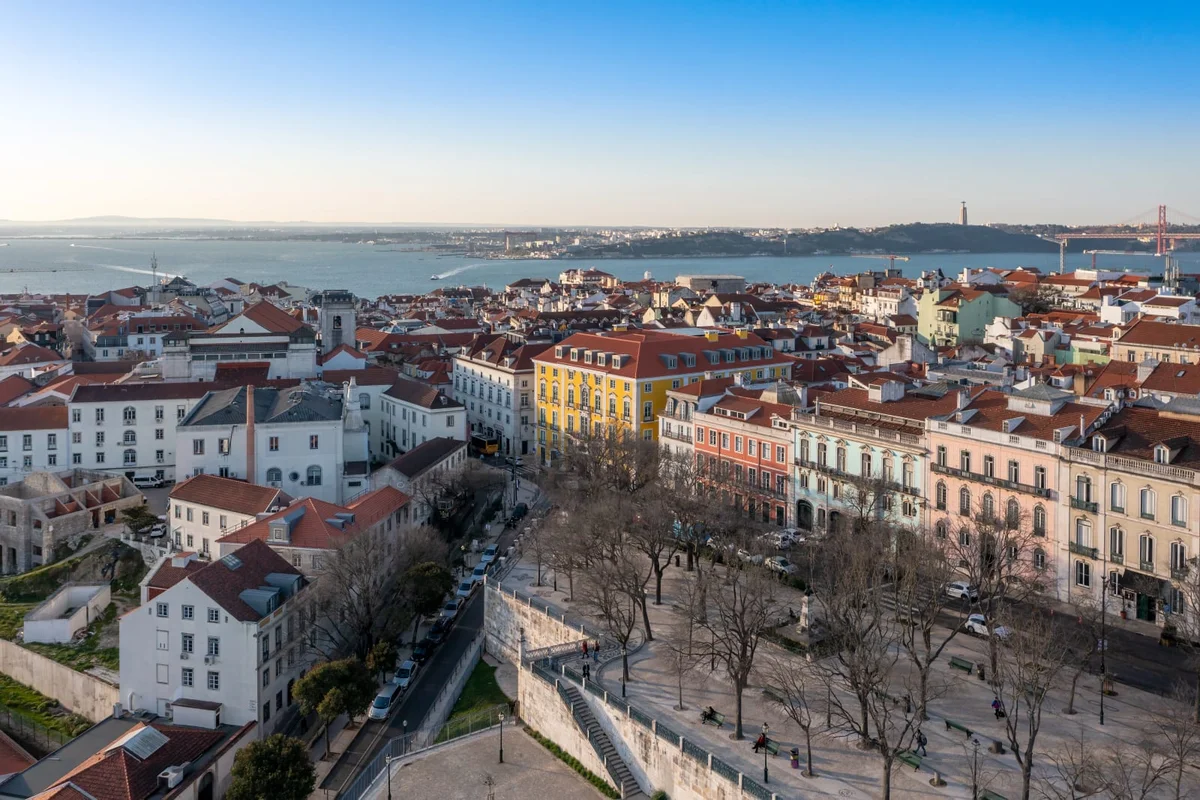
Palácio Ludovice Wine Experience Hotel
When you book Palácio Ludovice Wine Experience Hotel in Lisbon, Portugal, through our Fora Reserve partnership, your stay includes daily breakfast for two and a 100 USD food and beverage credit. You also receive a one-category room upgrade, early check-in and late check-out when available. No premium credit card or membership needed: request a quote and our advisor books it at the same rate as booking direct.
Exclusive Booking Perks
These perks are included with your stay at the same rate as booking direct with the hotel.
- Welcome drink at the Bar
- Wine Tasting with the Sommelier (one per person/ stay)
- daily @05:30pm, subject to reservation and availability
- Daily Chef's amenity in the room
- Daily Breakfast for 2
- F&B credit (100 USD)
- Early check-in / Late check-out, subject to availability
- Upgrade to the next room category on arrival, subject to availability
Guest feedback
9.5/10 from 463 guest reviews
By category
Guests liked
- Great location
- Friendly staff
- Stunning hotel
Points to consider
- Breakfast service could be chaotic at times
Location
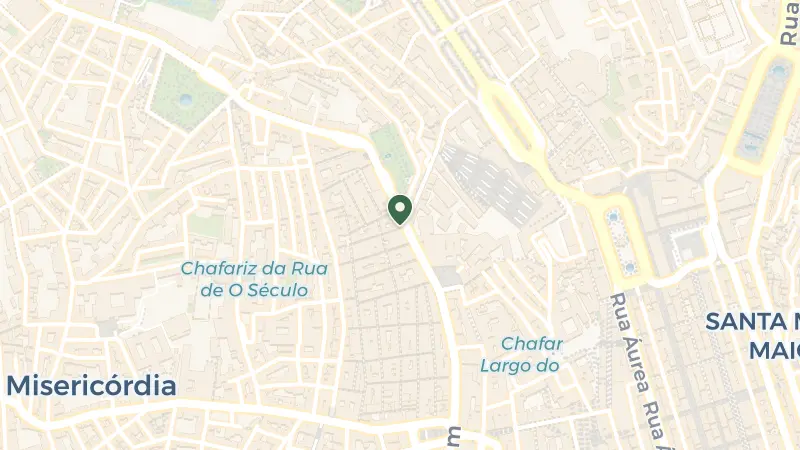
Bairro Alto unfolds across hilltop streets laid out in the 16th century, when expansion pushed beyond the medieval city walls. The neighbourhood retains its original grid, a rare orthogonal pattern among Lisbon's seven hills, and by day these steep lanes feel residential, lined with iron balconies and azulejo-fronted buildings. After dark, the district transforms: fado music spills from doorways, wine bars fill with locals and travelers alike, and the air hums with conversation in a dozen languages. This is the beating heart of Lisbon's nightlife, yet mornings here belong to bakeries and corner grocers restocking for the day ahead.
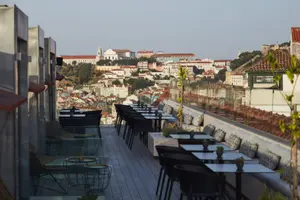
The Tagus River glints silver just downhill, visible from rooftops and miradouros scattered across the district. Chiado, Lisbon's elegantly café-lined shopping quarter, sits a five-minute walk east. The earthquake of 1755 devastated much of the city, but Bairro Alto survived largely intact, preserving its Renaissance bones even as the Pombaline reconstruction reshaped the districts below. You are standing in one of Europe's oldest capitals, second only to Athens, at the westernmost edge of the continent where the Atlantic meets the mouth of the Tagus.
Lisbon Humberto Delgado Airport lies eight kilometres northeast, a quick metro or taxi ride into the centre.
Belcanto, the two-Michelin-starred anchor of Lisbon's fine dining scene, occupies a corner building 500 metres from the hotel, near the ruins of a convent toppled by the 1755 earthquake. Chef José Avillez's tasting menus reinterpret Portuguese traditions with precision and wit. For a second two-star experience, Henrique Sá Pessoa awaits 1.5 kilometres north in the bucolic Páteo Bagatela, midway between Jardim das Amoreiras and Parque Eduardo VII. Start with the wine bars along Rua do Norte and Travessa da Queimada, steps from the property: old porto and napoleão pour obscure vintages by the glass, while wine lover bairro alto curates Portuguese labels alongside rare international bottles. Book a table at Belcanto weeks ahead; reservations disappear quickly.
The Mercado de Camões, 200 metres away, brings neighbourhood life into sharp focus: vendors sell fresh fish hauled from the Atlantic that morning, wheels of Serra da Estrela cheese, and jars of conservas tinned in the traditional canneries. The Monastery of the Hieronymites, seven kilometres west in Belém, exemplifies Manueline architecture at its zenith, construction begun in 1502 when Vasco da Gama's voyages filled Portugal's coffers with spice trade wealth. The adjacent Tower of Belém guards the harbour where those explorers first set sail.
Summer arrives dry and bright. June through August brings long days and evening temperatures that linger past sunset, the Tagus catching gold light until nearly ten o'clock. Locals retreat to beach towns; the city empties slightly, outdoor tables multiply, and the air carries the scent of grilled sardines from neighbourhood tascas.
Autumn and spring balance warmth with cloud cover. September holds onto summer's heat without the crowds, while April and May see the city bloom with jacaranda trees and manageable visitor numbers. Rain arrives intermittently, rarely lasting more than a day, and temperatures stay comfortable for walking the hills.
Winter brings Atlantic weather systems inland. November through February sees frequent showers and grey skies, though temperatures rarely drop below nine degrees. The city takes on a silvered quality, light reflecting off wet cobblestones, and cafés fill with locals nursing bica and pastéis de nata while rain taps against windows.
Frequently Asked Questions

Quotes are personally reviewed by Natasha Hardy, founder of The Uncommon Traveller
5.0 rating · 8 Google reviewsThere is no fee or markup. The hotel pays our commission.
Request a Quote 7 Bib Gourmand