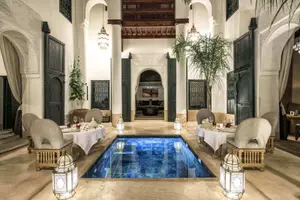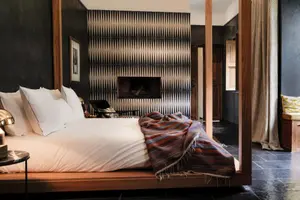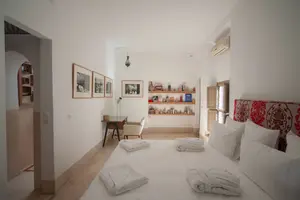
Riad Botanica
When you book Riad Botanica in Marrakech, Morocco, through our Tablet Plus partnership, your stay includes a welcome treat. You also receive a one-category room upgrade and late check-out when available. No premium credit card or membership needed: request a quote and our advisor books it at the same rate as booking direct.
Exclusive Booking Perks
These perks are included with your stay at the same rate as booking direct with the hotel.
- Upgrade to next room category, based upon availability at check-in
- Guaranteed 2pm late check-out
- Welcome treat in room on arrival
- Complimentary one-way airport transfer per room, per stay
Guest feedback
9.7/10 from 247 guest reviews
By category
Guests liked
- Friendly Staff
- Delicious Breakfast
Points to consider
- Cleanliness Issues
Location
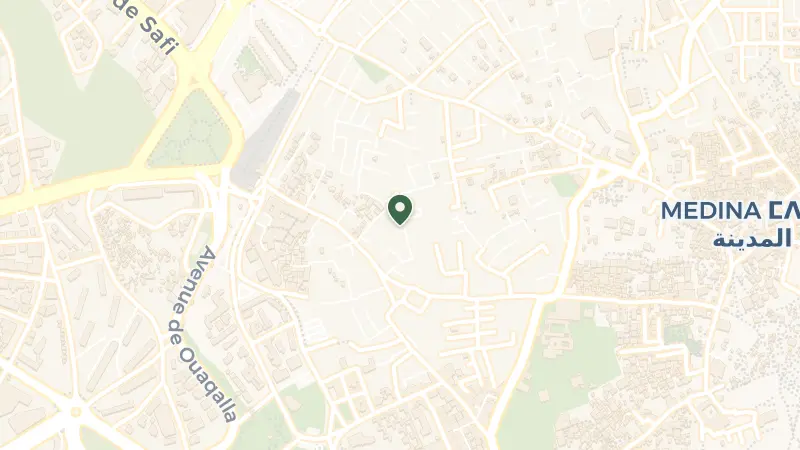
The Bab Doukkala quarter sits in the northwest corner of Marrakech's medina, where the red pisé walls erected by Ali ibn Yusuf in the 12th century still define the rhythm of the streets. Founded in 1070 by the Almoravid dynasty, Marrakech remains what it has been for nearly a millennium: a trading crossroads between the Sahara and the Atlas, between Berber tradition and Arab courtly life. The medina's labyrinthine derbs (alleyways) lead past tanneries, foundouks, and riads whose carved cedar doors conceal interior gardens cooled by fountains.
Within walking distance, the souks unfold in a sequence of covered arcades: the Souk el Maasi less than a kilometre away, the leather souk with its drying hides visible from rooftop terraces, the olive souk scented with cured fruit and preserved lemons. The Bab Doukkala gate itself, one of the medina's original nineteen, opens onto a neighbourhood where donkey carts still deliver goods to workshops unchanged since the Saadian sultans built their palaces four centuries ago.
Marrakesh Menara Airport lies five kilometres southwest, connected by taxi or prearranged transfer through the palmerie and into the medina's carless heart.
The medina, a UNESCO World Heritage Site inscribed in 1985, spreads outward from Jemaa el-Fna in a tangle of souks organised by guild and craft. Start with the Fruit and Vegetable Market one kilometre south, where pyramids of dates and bundles of mint perfume the morning air, then work your way through the spice vendors hawking ras el hanout and saffron threads. The tanneries beyond the leather souk, visible from terraced cafés, still cure hides in stone vats using pigeon dung and poppy. Don't miss the Rmila reserve eleven kilometres out, where argan trees shelter goats and the landscape opens toward the Atlas foothills.
For those drawn to golf, Marrakech Golf City lies less than four kilometres from the medina walls, with The Montgomerie Marrakech just beyond. La Palmeraie and The Tony Jacklin courses unfold farther into the palmerie, though the city's true draw remains the medina itself: the call to prayer echoing off ochre walls, the scent of grilled kefta drifting from corner grills, the cool shock of stepping from a sunlit street into a riad courtyard's green shade.
Spring arrives in March when the Atlas peaks still hold snow and the medina's courtyards fill with orange blossom. Daytime temperatures climb from the low twenties into the high twenties by May, perfect for rooftop terraces and long afternoons in the souks. This is peak season, when light slants golden through the derbs and evenings cool enough for mint tea in open courtyards.
Summer turns fierce. July and August push past thirty-six degrees, the air dry and still, the streets emptying during midday as residents retreat indoors. Courtyards with fountains and shade become essential refuges.
Autumn and winter bring Marrakech's second season. October through February sees daytime highs in the high teens to mid-twenties, nights crisp enough for fires in the salons, occasional rain washing the dust from the palms. The souks feel less pressed, the light softer, the city returning to its own rhythm.
Frequently Asked Questions

Quotes are personally reviewed by Natasha Hardy, founder of The Uncommon Traveller
5.0 rating · 8 Google reviewsThere is no fee or markup. The hotel pays our commission.
Request a Quote