Shangri-La Xian
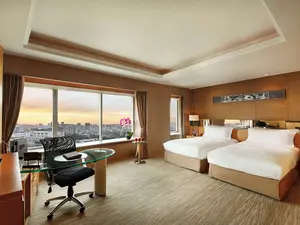
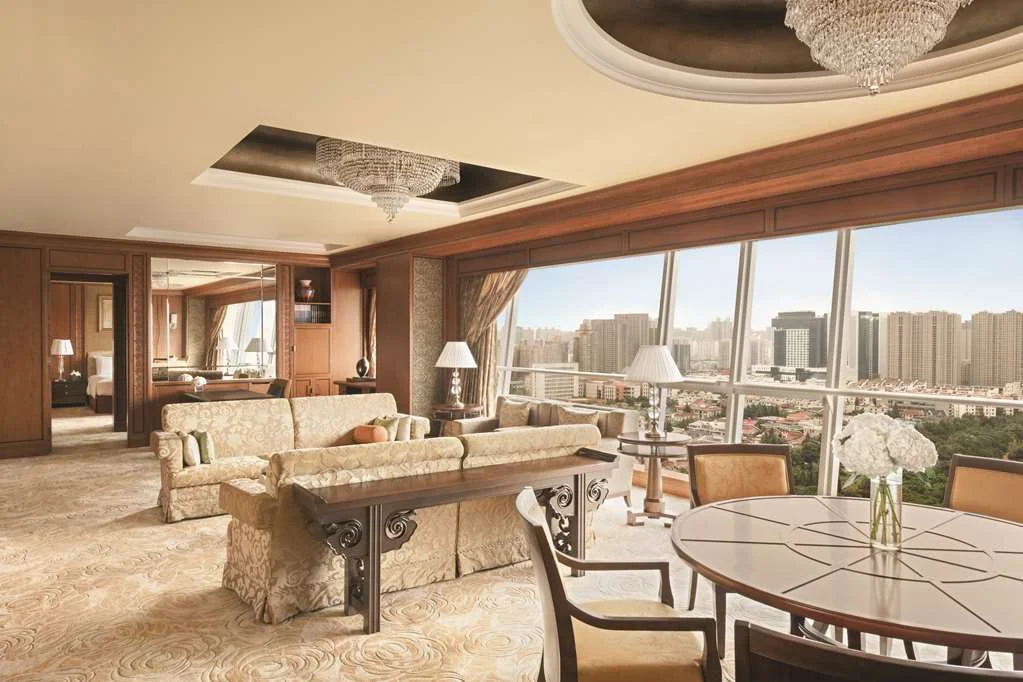
When you book Shangri-La Xian in Xi'an, China, through our Shangri-La Luxury Circle partnership, your stay includes full breakfast for two. Your stay also includes a hotel credit of USD $50 or $100 once per stay. You also receive a one-category room upgrade, early check-in and late check-out when available. No premium credit card or membership needed: request a quote and our advisor books it at the same rate as booking direct.
Exclusive Booking Perks
These perks are included with your stay at the same rate as booking direct with the hotel.
- Upgrade to the next room type category at the time of booking, subject to availability
- Hotel credit of USD $50 or $100 (once per stay)
- Complimentary full breakfast for two, including in-room dining
- A VIP Welcome Amenity
- Early check-in and late check-out, subject to availability
Location
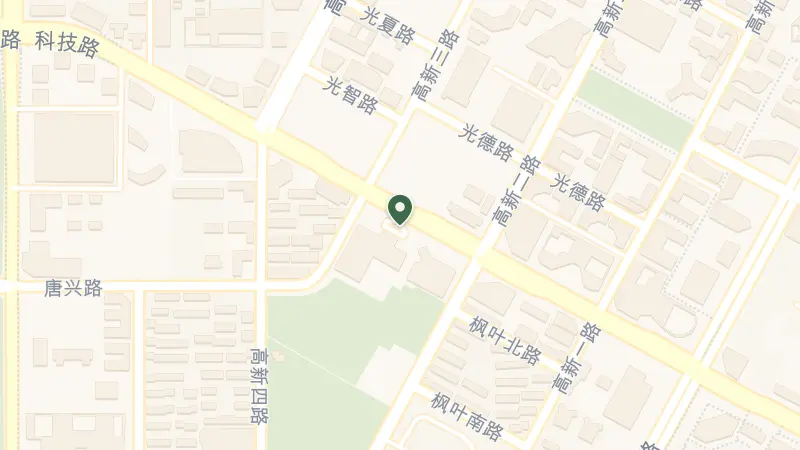
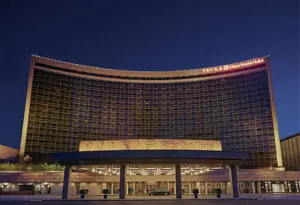
Shangri-La brings its signature Asian hospitality and CHI wellness philosophy to Xi'an, the ancient capital that anchored the Silk Road and now hums with twenty-first-century energy. The property sits in Zhangba, a modern business district west of the historic centre, where glass towers rise against a backdrop of mountain ridges and where the rhythm of construction mingles with the creak of bicycle wheels on wide avenues.
This is the city that gave China its name, where the First Emperor unified warring kingdoms and where Tang Dynasty poets wrote verse that still echoes in school corridors. Eight kilometres south, the Silk Roads World Heritage corridor marks the starting point of trade routes that threaded through Central Asia, carrying silk and ideas westward. The terracotta warriors stand guard 37 kilometres east, an army of clay soldiers unearthed by farmers digging a well in 1974, each face distinct, each figure a testament to imperial ambition.
Xi'an Xianyang International Airport lies 27 kilometres northwest, connected by airport shuttle and metro Line 14, which links to the main urban network within an hour.
The Mausoleum of the First Qin Emperor demands a half-day pilgrimage. Qin Shi Huang, who died in 210 BC, sleeps beneath an unexcavated burial mound, but the three excavation pits nearby reveal rank upon rank of life-sized warriors, archers frozen mid-step, charioteers gripping bronze reins. Thousands more figures remain underground, waiting. Book an early slot to beat tour groups and stand at the edge of Pit One when morning light slants through the hangar roof.
The city's Muslim Quarter, a dense tangle of lanes near the Drum Tower in the old walled centre, pulses with smoke from lamb skewers and the clatter of noodle knives. Vendors stretch biang biang noodles, broad as belts, and ladle pungent cumin over yangrou paomo, a crumbled flatbread soaked in mutton broth. Don't miss roujiamo, Xi'an's answer to the sandwich, minced pork tucked into a blistered bun. Lotus Paradise, seven kilometres away, offers a landscaped escape with ornamental waterfalls and pavilions.
January and February bring bitter cold, temperatures dipping well below freezing, but the chill keeps crowds thin at the terracotta pits and the city's pagodas stand stark against pale winter skies. Spring arrives abruptly in March, plum blossoms unfurling along the city walls as temperatures climb into the mid-teens.
Summer, from June through August, is hot and humid, the air thick with heat that shimmers over pavements and drives locals into air-conditioned malls and shaded courtyards. Afternoon thunderstorms punctuate the season, brief deluges that leave the streets steaming.
Autumn is the prime window. September and October deliver warm days and cool evenings, the light turning golden over the old city ramparts, persimmons ripening in market stalls, the air dry enough for long walks without the weight of summer's humidity pressing down.
Frequently Asked Questions

Quotes are personally reviewed by Natasha Hardy, founder of The Uncommon Traveller
5.0 rating · 8 Google reviewsThere is no fee or markup. The hotel pays our commission.
Request a Quote