The Ritz-Carlton, Xi'an
When you book The Ritz-Carlton, Xi'an in China, through our Marriott STARS partnership, your stay includes daily breakfast for two and a $100 USD hotel credit once per stay. You also receive a room upgrade, early check-in and late check-out when available. You continue earning Marriott Bonvoy points and elite night credits. No premium credit card or membership needed: request a quote and our advisor books it at the same rate as booking direct.
Exclusive Booking Perks
These perks are included with your stay at the same rate as booking direct with the hotel.
- Personalized and customized amenity
- Complimentary breakfast daily for two guests per room
- All STARS hotels offer a hotel credit valued at $100 USD (once per stay)
- Early check-in and late check-out (when available)
- Complimentary upgrade (if available at check-in)
Location
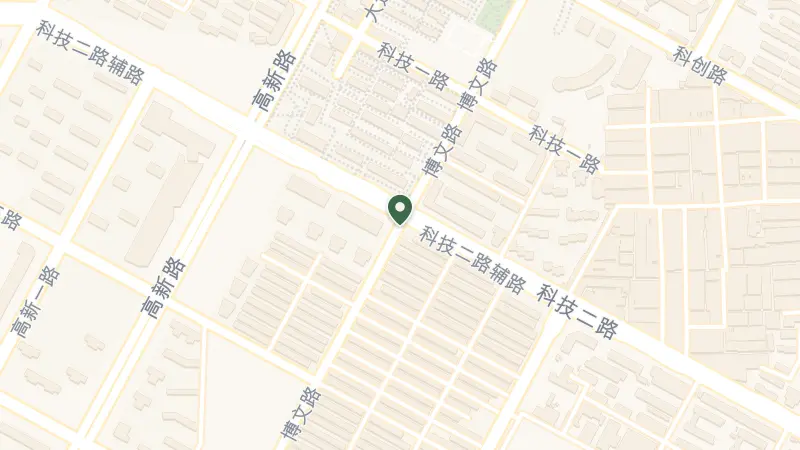
Ritz-Carlton properties apply the brand's service philosophy with meticulous attention to guest preferences, and the Xi'an outpost delivers this consistency in a city where ancient imperial history meets contemporary Chinese ambition. The property stands in Zhangba, a developing district that offers a quieter counterpoint to the walled Old City centre, with modern infrastructure and access to the wider metropolitan area.
Xi'an served as the capital for thirteen dynasties, including the powerful Han and Tang, and its role as the eastern terminus of the Silk Roads left a cultural legacy that still defines the city. The Muslim Quarter hums with street vendors grilling yangrou chuanr, while the imposing city walls, among the best-preserved in China, encircle a historic core of bell towers and drum towers. The Mausoleum of the First Qin Emperor, 38 kilometres east, houses the Terracotta Army, thousands of life-sized warriors buried with China's first emperor in 210 BCE.
Xi'an Xianyang International Airport lies 28 kilometres northwest, connected by expressway and metro to the city. The broader Chang'an-Tianshan Corridor, inscribed as a UNESCO World Heritage site in 2014, traces a 5,000-kilometre section of the Silk Roads network that once linked this city to Central Asia.
The property anchors exploration of a city defined by its imperial past. The Terracotta Army demands at least half a day; the scale of the excavation site, with row upon row of individualized figures, still yields new discoveries decades after farmers first unearthed fragments in 1974. Closer in, the ancient city walls stretch thirteen kilometres around the historic centre, wide enough to cycle along the ramparts and look down onto the rooftops and alleyways below. Book an evening walk through the Muslim Quarter for roujiamo, a local flatbread stuffed with spiced meat, and persimmon cakes fried until the edges crisp.
The Silk Roads heritage extends beyond the walled city. Lotus Paradise, a landscaped waterfall complex six and a half kilometres from the property, offers a manicured retreat. The broader Chang'an route connected this region to Samarkand and beyond, and traces of caravanserai culture persist in the flavours and architecture of the Muslim Quarter. Start your exploration at the Great Mosque, a Ming-dynasty complex that blends Chinese courtyard design with Islamic calligraphy.
Winter grips Xi'an with sharp cold, temperatures dropping well below freezing from December through February, though the dry air and brilliant sunlight make outdoor exploration manageable with layered clothing. The city walls and Terracotta Army site feel less crowded, and the bare trees reveal the bones of the Old City's layout.
Spring arrives in March with warming afternoons and blooming magnolias, ideal for cycling the ramparts or wandering the Muslim Quarter as vendors set up outdoor stalls. April and May bring comfortable conditions before the summer heat settles in, though May sees increasing rainfall.
Summer pushes temperatures above thirty degrees, with July and August combining heat and humidity that make midday exploration taxing. Autumn, particularly October, offers the best balance: warm days, cooler evenings, and the golden light that photographers prize. September remains warm but wetter, while November cools quickly as winter approaches.
Frequently Asked Questions

Quotes are personally reviewed by Natasha Hardy, founder of The Uncommon Traveller
5.0 rating · 8 Google reviewsThere is no fee or markup. The hotel pays our commission.
Request a Quote