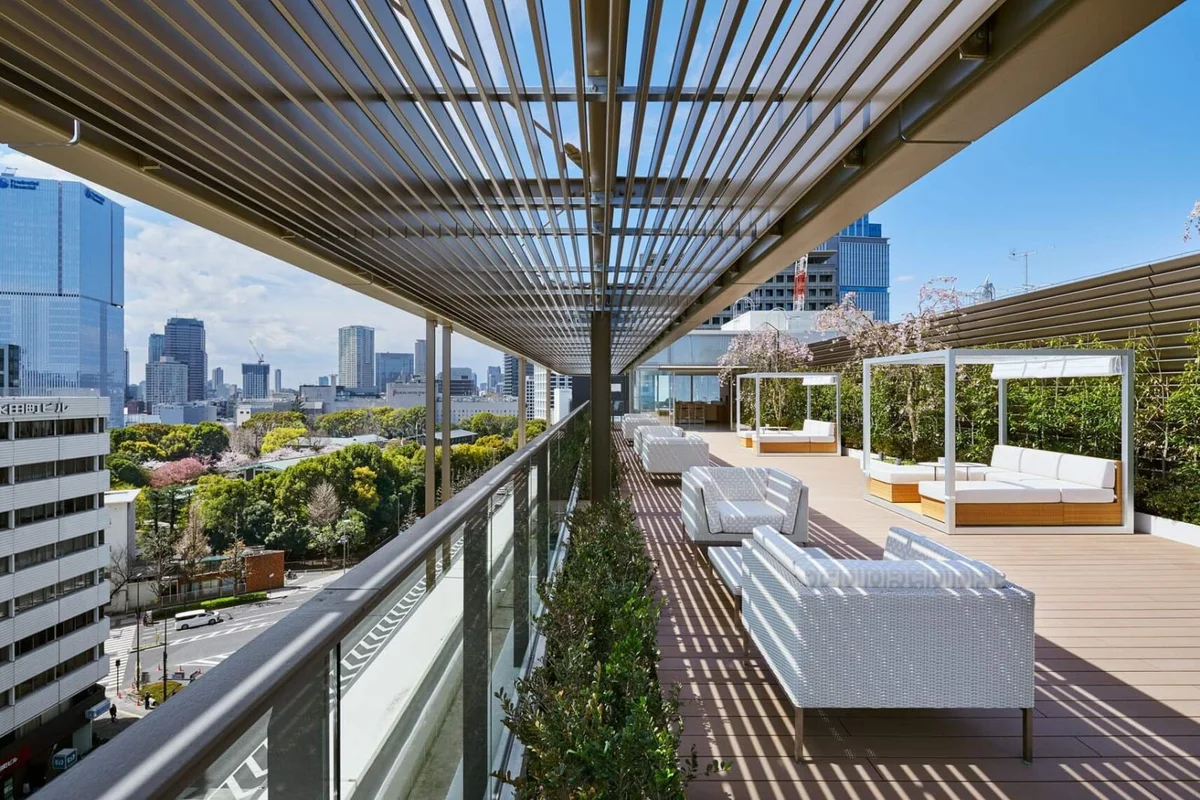
The Kitano Hotel Tokyo
When you book The Kitano Hotel Tokyo in Japan through our Relais & Châteaux partnership, complimentary perks are included with your stay. No premium credit card or membership needed: request a quote and our advisor books it at the same rate as booking direct.
Exclusive Booking Perks
These perks are included with your stay at the same rate as booking direct with the hotel.
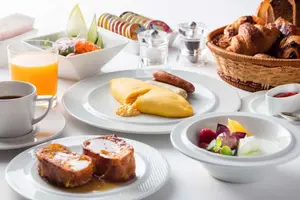
- Complimentary Continental or Buffet Breakfast per night and per person
- VIP Welcome per room and per stay
- Reservations must be made at least 72 hours prior to arrival and are subject to availability. All
- offers are subject to the booking and cancellation conditions of each individual property.
Guest feedback
9.2/10 from 682 guest reviews
Read what guests commentedBy category
Guests liked
- Quiet atmosphere
- Helpful staff
Points to consider
- Location requires walking
- Breakfast options are limited
Location
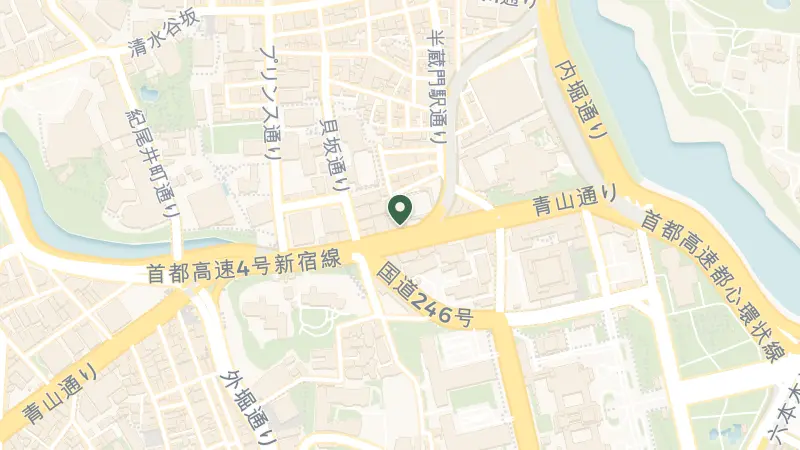
The Kitano Hotel Tokyo positions itself in Hirakawacho, a pocket of Chiyoda ward where government ministry buildings give way to quiet residential streets and the edge of the Imperial Palace grounds. This is Tokyo at its most composed: wide boulevards lined with ginkgo trees, stone walls enclosing private gardens, the occasional black car slipping past without fanfare. The palace moat runs nearby, its water reflecting cherry branches in spring and maple leaves in autumn.
Chiyoda serves as the city's ceremonial heart, home to the National Diet Building and the Tokyo Imperial Palace, but the neighbourhood itself moves with restrained purpose rather than spectacle. Walk fifteen minutes and you'll reach the neon rush of Shinjuku or the fashion districts of Omotesando, but here the air feels different: quieter, more deliberate, shaped by the weight of institutional Tokyo.
Haneda Airport lies fifteen kilometres south, a thirty-minute train ride through the city's dense fabric, while Narita waits an hour northeast for long-haul arrivals.
Chiyoda's dining culture skews towards precision over pageantry. Within two kilometres, three three-Michelin-starred restaurants anchor Tokyo's upper register: Kanda (1.6 kilometres northeast) serves kaiseki shaped by Tokushima indigo-dyed noren and Awa beef, Hiroyuki Kanda's minimal preparation letting ingredients speak for themselves. RyuGin (1.8 kilometres) sees Seiji Yamamoto chart Japanese cuisine's vastness with scientific rigour, tending charcoal with relentless technique. Harutaka (two kilometres) offers Edomae sushi under Harutaka Takahashi, who trained at Sukiyabashi Jiro and now commands his own counter. Book weeks ahead for any of them.
The Imperial Palace East Gardens open daily except Mondays and Fridays, their stone foundations dating to Edo Castle's 1590 construction. Aoyama Farmers Market (3.5 kilometres) brings regional producers to the city each weekend. For a departure from haute cuisine, Ameya-Yokochō (4.6 kilometres) sprawls beneath the Yamanote Line tracks in Ueno, its stalls selling dried fish, yakitori, and Korean banchan in a cacophony that feels worlds away from Chiyoda's hush.
Winter descends cold and crystalline, temperatures hovering near freezing in January and February, the air so dry that Mount Fuji appears sharp on the horizon. Cherry blossoms fracture this stillness in late March and early April, petals drifting across the palace moat as temperatures climb into the mid-teens. May and June turn humid, the rainy season softening edges and filling hydrangea gardens with colour.
July and August push past thirty degrees, the city shimmering with heat and festivals, sidewalks sticky underfoot. September brings typhoons and the year's heaviest rain, but also the first cool evenings.
October and November are Tokyo's grace period: crisp mornings, golden light slanting through ginkgo groves, temperatures in the high teens. December chills quickly, the city stringing lights as it settles into winter's clarity.
Frequently Asked Questions

Quotes are personally reviewed by Natasha Hardy, founder of The Uncommon Traveller
5.0 rating · 8 Google reviewsThere is no fee or markup. The hotel pays our commission.
Request a Quote 111 Bib Gourmand