The Okura Tokyo
When you book The Okura Tokyo in Japan through our Virtuoso partnership, your stay includes daily buffet breakfast for up to two guests and a $100 USD food and beverage credit. You also receive a room upgrade, early check-in and late check-out when available. No premium credit card or membership needed: request a quote and our advisor books it at the same rate as booking direct.
Exclusive Booking Perks
These perks are included with your stay at the same rate as booking direct with the hotel.
- Upgrade on arrival, subject to availability
- Daily Buffet breakfast for up to two guests per bedroom, served in the restaurant
- $100 USD equivalent Food & Beverage credit to be utilized during stay (not combinable, not valid on room rate, no cash value if not redeemed in full)
- Early check-in / Late check-out, subject to availability
Guest feedback
9.6/10 from 2,263 guest reviews
Read what guests commentedBy category
Guests liked
- Luxury accommodations
- Exceptional service
- Great amenities
Points to consider
- Location requires some walking to subway
Location
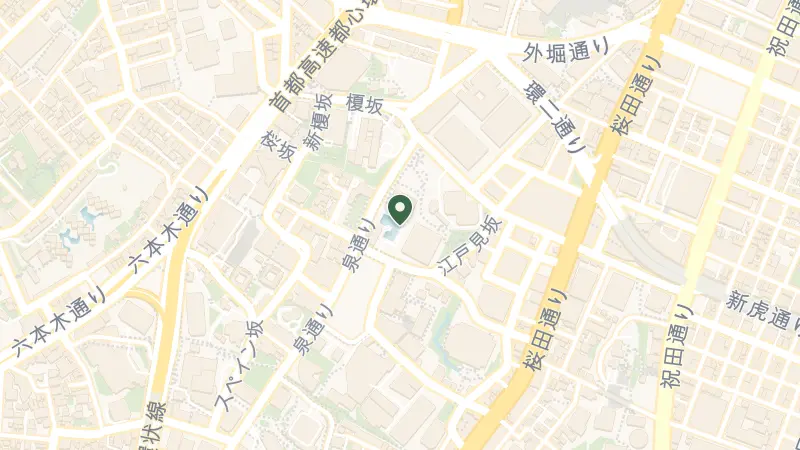
Toranomon has shed its strictly business-district reputation over the past decade, emerging as one of Tokyo's most intriguing hybrids of old capital formality and contemporary ambition. The neighbourhood sits just east of the verdant grounds surrounding the Imperial Palace, where the moats and stone ramparts of Edo-period fortifications still anchor the city's historical consciousness. Walk west from the property and within minutes you reach the green silence of these palace gardens; walk south and you encounter the shrines and traditional architecture of Atago, where steep stone steps climb to a hilltop sanctuary that predates the city's modern incarnation.
The streets here carry a distinctly ordered energy. Government ministries and embassies occupy mid-century towers, while newer skyscrapers housing tech companies and international headquarters rise in clean verticals. Yet intimacy persists in the side lanes: small standing bars tucked under railway arches, family-run soba shops with hand-pulled noodles, morning queues outside century-old confectioners selling wagashi that change with the seasons.
Tokyo Haneda International Airport lies fourteen kilometres south across Tokyo Bay, connected by monorail and limousine bus services that make the journey in under forty minutes depending on traffic.
Three-Michelin-starred Kanda occupies a discreet setting just four hundred metres away, where chef Hiroyuki Kanda's Tokushima roots show in every element: indigo-dyed noren curtains at the entrance, local sakes, fish from Naruto's churning straits, and Awa beef prepared with restrained precision. Book weeks ahead. Harutaka, another three-star destination one and a half kilometres distant, reflects chef Harutaka Takahashi's training under the legendary Sukiyabashi Jiro; the intimate counter seats barely a handful of guests for flawless Edomae sushi. Azabu Kadowaki, just over a kilometre and a half south, exemplifies the Japanese reverence for intimate scale: six counter seats, careful distance between chef Toshiya Kadowaki and his guests, and kaiseki that honours tea ceremony philosophy.
The Tokyo Imperial Palace grounds offer miles of running paths and contemplative gardens open to visitors year-round. Three kilometres southeast, the Aoyama Farmers Market gathers organic producers every weekend; another three kilometres brings you to Tsukishima, where monjayaki griddles sizzle in alley restaurants unchanged since the postwar decades. The waterfall installations at nearby parks provide unexpected pockets of green calm amid the urban density.
Winter months bring crystalline days when Mount Fuji appears sharp on the western horizon, temperatures hovering around eight degrees. The air stays dry, the light brilliant. Cherry blossoms arrive in late March, followed by humid heat that settles over the city from June through September, with August afternoons climbing past twenty-nine degrees.
Autumn transforms Tokyo into its most graceful season. September rains give way to October's clarity, when gingko trees turn entire avenues gold and temperatures moderate to the low twenties. November sharpens the light further, making this the prime season for long walks through temple grounds and palace gardens.
Spring and autumn remain the most rewarding windows for visiting, though winter's crisp chill offers its own appeal for travellers willing to embrace heated kotatsu tables and steaming bowls of ramen after evening explorations.
Frequently Asked Questions

Quotes are personally reviewed by Natasha Hardy, founder of The Uncommon Traveller
5.0 rating · 8 Google reviewsThere is no fee or markup. The hotel pays our commission.
Request a Quote 111 Bib Gourmand