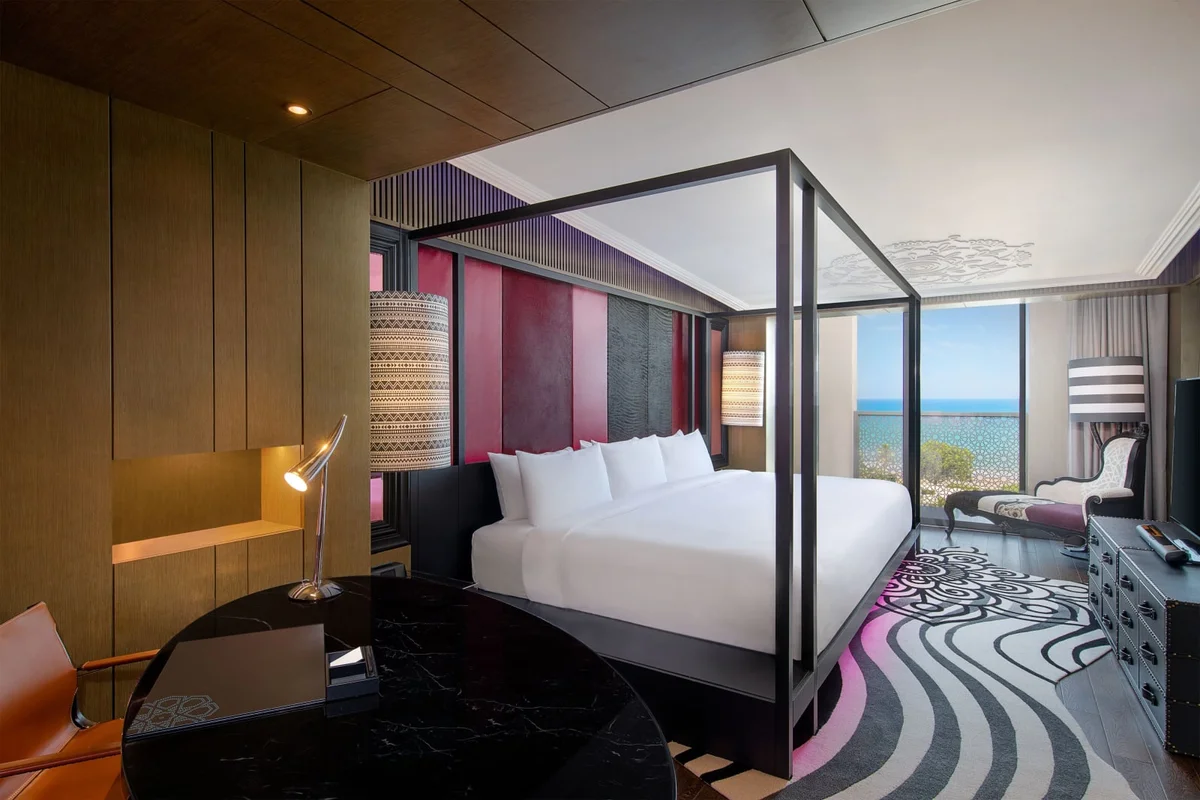
W Muscat
When you book W Muscat in Oman through our Marriott Luminous partnership, your stay includes daily breakfast for two and a welcome amenity. You also receive a room upgrade, early check-in and late check-out when available. You continue earning Marriott Bonvoy points and elite night credits. No premium credit card or membership needed: request a quote and our advisor books it at the same rate as booking direct.
Exclusive Booking Perks
These perks are included with your stay at the same rate as booking direct with the hotel.
- Welcome amenity
- Complimentary breakfast daily for two guests per room
- Early check-in and late check-out (when available)
- Complimentary upgrade (if available at check-in)
Location
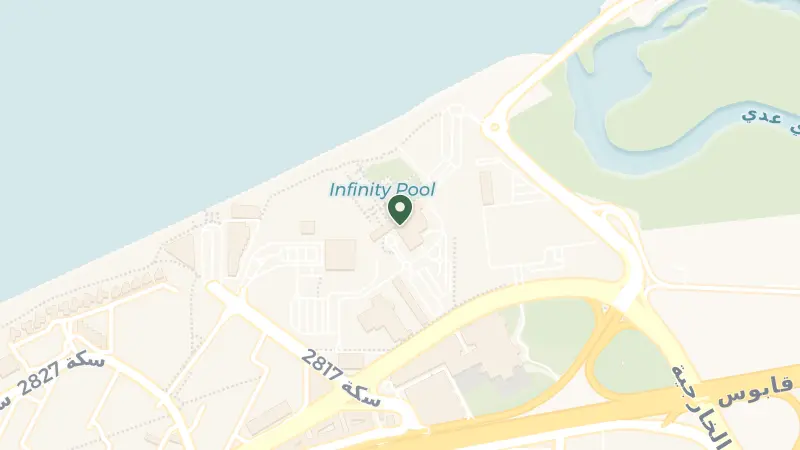
W Hotels brings its signature cocktail-and-design energy to Muscat, a capital where contemporary ambition meets deep-rooted maritime heritage. The property sits in Hay al Saruj, positioned between the city's modern commercial districts and the Gulf of Oman coastline. Muscat has traded with the world since the first century, its natural harbour drawing Persians, Portuguese, Balochi merchants, and Sindhi settlers across the centuries. By the 18th century, Omani influence stretched to Zanzibar; today's city reflects that cosmopolitan legacy beneath the stark beauty of the Hajar Mountains.
The architecture here tells its own story. Low white buildings catch the late afternoon light, a visual rhythm enforced by planning codes that preserve the city's uncluttered skyline. The mountains loom close, their jagged ridges visible from nearly every corner of the capital. Streets smell faintly of frankincense, and the call to prayer echoes across neighbourhoods where glass towers stand blocks from restored forts.
Muscat International Airport lies 19 kilometres from the property, connected by modern highway. The city sprawls across six wilayat provinces along the coast, each district retaining its own character despite rapid expansion since Sultan Qaboos bin Said's 1970 accession transformed Oman into a Beta-level global city.
Al Qurm Nature Reserve sits just over a kilometre from the hotel, a rare pocket of protected mangrove and wetland where migratory birds rest between continents. Walk the boardwalks at dawn when the light is softest and herons fish in the shallows. Qurum Beach stretches along the coast 1.7 kilometres away, its pale sand backed by date palms and the occasional frankincense tree. The Bait al Zubair Museum, opened in 1998, houses one of the finest private collections of Omani silver, traditional costumes, and khanjar daggers, each piece annotated with the kind of detail that reveals how form follows tribal affiliation. The Sultan's Armed Forces Museum chronicles Oman's military history from Portuguese occupation through modern unification, weaponry and maps charting centuries of strategic importance at the mouth of the Strait of Hormuz.
Book a morning at Al Ghubrah Fish, Vegetable and Meat Market, 7.7 kilometres northwest, where fishermen unload kingfish and hammour still glistening from the Gulf. Vendors call out prices in Omani rials, the air thick with brine and cardamom from spice stalls tucked between produce stands. Ghala Valley Golf Club, 10.5 kilometres inland, threads fairways through wadi-cut terrain where the desert meets irrigated greens, the Hajar Mountains framing every tee shot.
Winter, from November through February, brings Muscat's most comfortable weather. Temperatures settle between the high teens and mid-twenties Celsius, the air dry and luminous. This is wedding season, garden season, the time when rooftop terraces fill after dark and the city feels most itself.
Spring arrives early. By April, daytime heat climbs past 30°C, and locals retreat indoors between noon and four. The mountains shimmer in the haze, their outlines softening as temperatures rise. May through September is relentlessly hot, highs pushing past 35°C with humidity that clings to your skin the moment you step outside. The Gulf feels bathwater-warm, the city quieter as those who can escape to cooler elevations.
October signals relief. The heat breaks slightly, evenings turn pleasant again, and the light shifts from white-hot to golden. Plan visits between October and March when you can walk comfortably and the desert beyond the city beckons rather than repels.
Frequently Asked Questions

Quotes are personally reviewed by Natasha Hardy, founder of The Uncommon Traveller
5.0 rating · 8 Google reviewsThere is no fee or markup. The hotel pays our commission.
Request a Quote