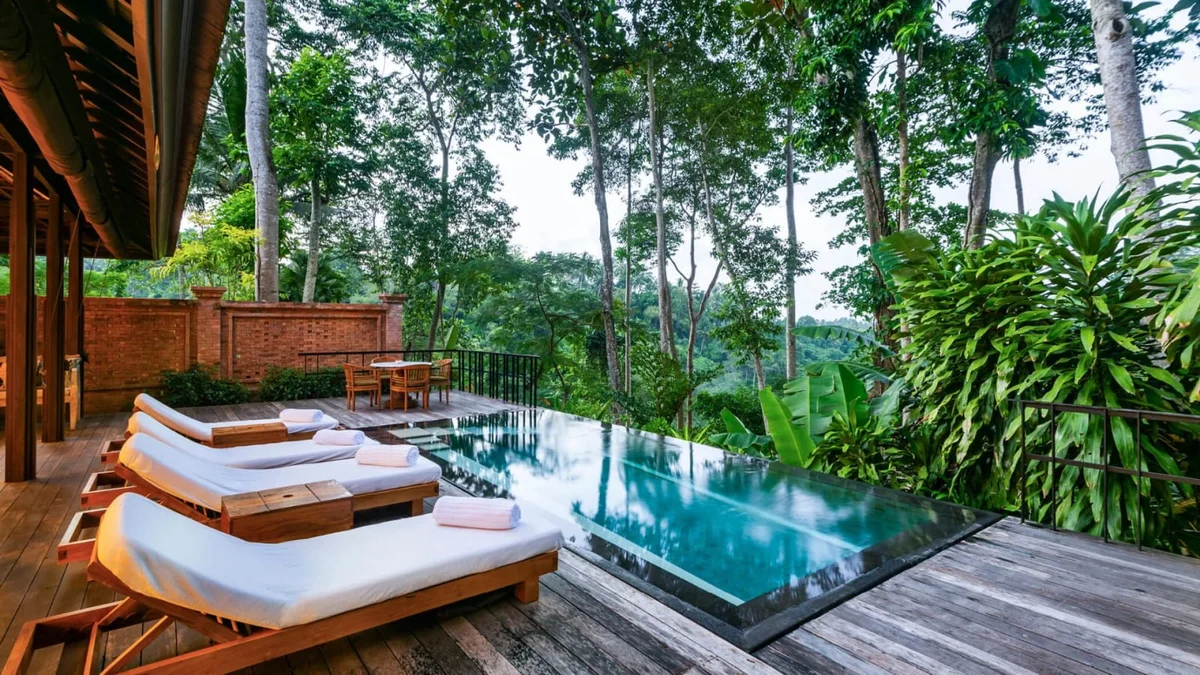
COMO Uma Ubud
When you book COMO Uma Ubud in Bali, Indonesia, through our Fora Reserve partnership, your stay includes daily breakfast for two, a $50.00 resort credit and a welcome amenity. You also receive a room upgrade, early check-in and late check-out when available. No premium credit card or membership needed: request a quote and our advisor books it at the same rate as booking direct.
Exclusive Booking Perks
These perks are included with your stay at the same rate as booking direct with the hotel.
- Daily breakfast for two
- Welcome amenity
- Early check-in, late check-out (subject to availability)
- Complimentary upgrade at time of check-in (subject to availability)
- $50.00 Resort Credit
Guest feedback
9.5/10 from 318 guest reviews
Read what guests commentedBy category
Guests liked
- Exceptional service
- Beautiful natural surroundings
- Great food options
Points to consider
- Cleanliness issues
- Accessibility concerns with stairs
Location
COMO approaches hospitality with a clarity of purpose: properties feel personal rather than ornate, wellness is woven into the daily rhythm rather than siloed in a spa menu, and the cuisine reflects a commitment to clean, ingredient-led cooking. The brand's Bali footprint captures the island's contrasts, balancing retreat-like calm with access to cultural texture.
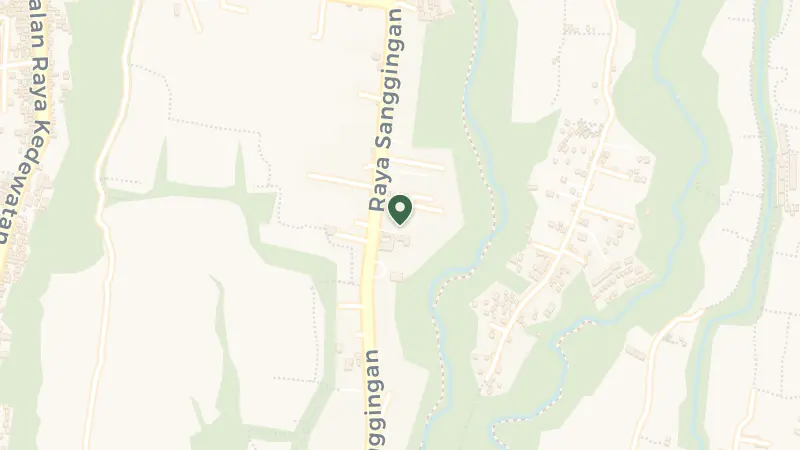
Ubud sits in the island's upland heart, where the air cools a few degrees and rice paddies cascade in tiered green sequences across volcanic ridges. This is Bali's cultural centre, a town of galleries, dance schools, and stone-carved temples where ceremonies unfold daily in clouds of incense and offerings laid at thresholds. The neighbourhood of Kedewatan curves along the Ayung River valley just northwest of the town proper, where the forest closes in and the sound of rushing water replaces traffic hum. Ubud Street Market and the central temple complexes lie two kilometres south, close enough for daily exploration but far enough that mornings here begin with birdsong rather than motorbike engines.
Ngurah Rai International Airport sits thirty kilometres to the south, a drive that winds through terraced farmland and stone villages, typically taking just over an hour depending on the island's famously unpredictable traffic rhythms.
The Ayung River curves below the property, its white water audible from the higher ground, and the valley trails lead through tiered rice fields and past shrines wrapped in black-and-white checkered cloth. Sayan waterfall lies less than two kilometres into the forest, a narrow cascade threading through jungle greenery. Ubud Street Market, a short drive south, opens before dawn with vendors arranging pyramids of mangosteen, rambutan, and dragon fruit alongside hand-woven baskets and ceremonial cloths. The town's dance performances, held nightly at various temple courtyards, offer full gamelan orchestras and costumed Legong and Barong dramas rooted in Hindu epic cycles.
The UNESCO-inscribed subak irrigation system, a cooperative network of water temples and terraced paddies, extends across the surrounding landscape. Start with a walk through the Tegallalang terraces, thirty-one kilometres northwest, where the rice fields descend in geometric steps and farmers still follow temple-guided planting calendars. The Peliatan Night Market, a few kilometres southeast, serves grilled satay lilit and babi guling (spit-roasted suckling pig) after dark, smoke rising from charcoal braziers as vendors ladle bubur injin (black rice pudding) into banana-leaf parcels.
July and August deliver Bali's clearest skies, when the dry season settles in and daytime temperatures hover in the high twenties. The air feels crisp by tropical standards, especially in Ubud's higher elevation, and the rice paddies turn gold before harvest. Evenings cool enough for long sleeves, a rarity on the coast.
April and May bridge the wet and dry periods, bringing intermittent afternoon showers that clear within the hour and leave the forest smelling of damp earth and frangipani. The landscape glows its most saturated green, and fewer visitors mean temple ceremonies feel less performative. October through March marks the monsoon, when daily downpours can last hours and the humidity thickens. The rain arrives predictably in the late afternoon, drumming on palm fronds and turning dirt roads to red mud.
Frequently Asked Questions

Quotes are personally reviewed by Natasha Hardy, founder of The Uncommon Traveller
5.0 rating · 8 Google reviewsThere is no fee or markup. The hotel pays our commission.
Request a Quote