Desa Potato Head Bali
When you book Desa Potato Head Bali in Indonesia through our Fora Reserve partnership, your stay includes daily breakfast for up to two guests and a $100 USD resort or hotel credit. You also receive a room upgrade when available. No premium credit card or membership needed: request a quote and our advisor books it at the same rate as booking direct. Plus, for a limited time, a complimentary night is included with your stay.
Special Offer: 4th night free
+ 4th night free + Daily Breakfast
Exclusive Booking Perks
These perks are included with your stay at the same rate as booking direct with the hotel.
- Welcome Amenity
- One Cocktail Per person at Sunset Park / Once during the stay (Single / Double Occ).
- Daily Breakfast for up to two guests per bedroom, served in the restaurant
- Upgrade on arrival, subject to availability
- Daily breakfast for up to two guests per bedroom, served in the restaurant (already included in property rates)
- $100 USD equivalent Resort or Hotel credit to be utilized during stay (not combinable, not valid on room rate, no cash value if not redeemed in full)
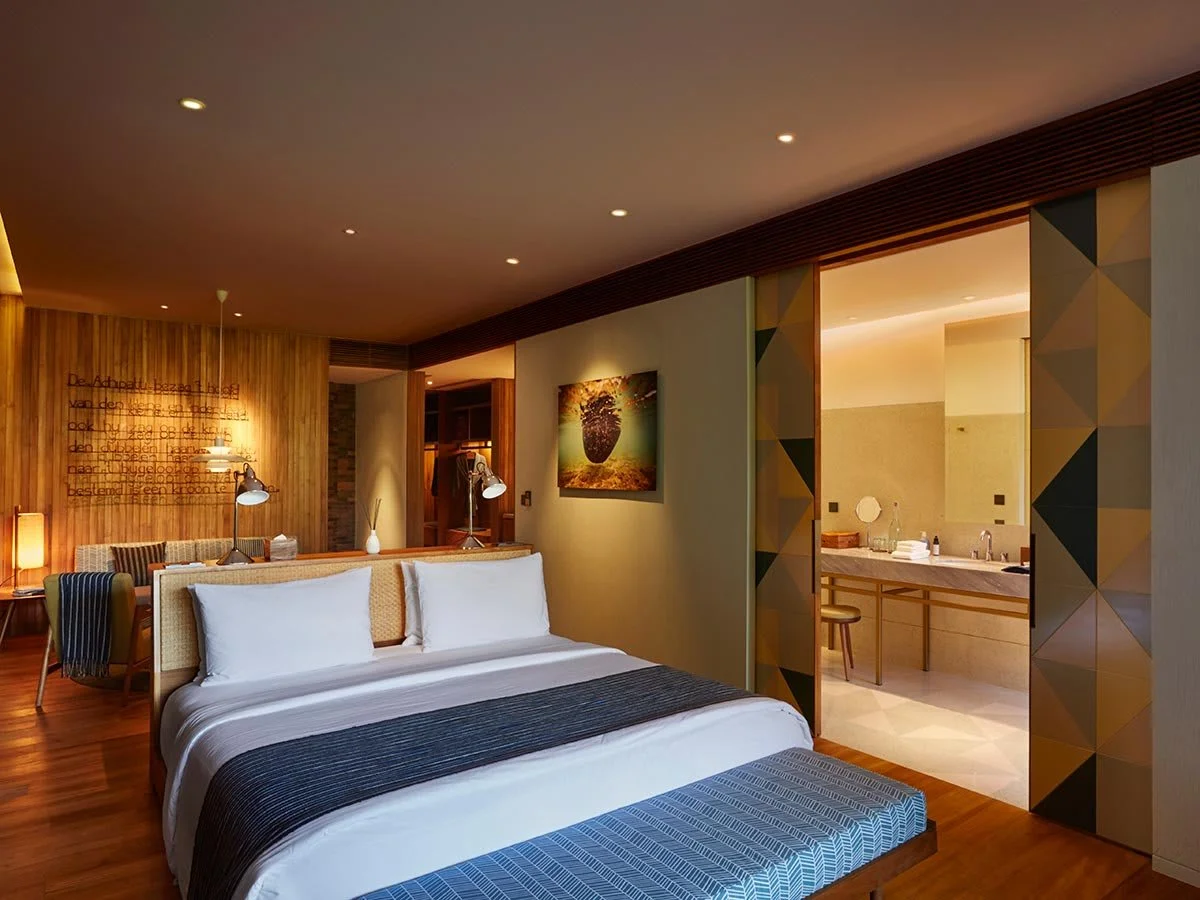
- Bookings in our (Two bedroom Katamama Suite) will also receive a complimentary 50 minute massage for up to two guests, per bedroom, once per stay
- Early Check-In / Late Check-Out, subject to availability
- A welcome amenity (one per person upon arrival)
Guest feedback
9.6/10 from 139 guest reviews
By category
Guests liked
- Friendly staff
- Great amenities
- Excellent location
Points to consider
- Limited breakfast options mentioned
- No significant negative feedback
Location
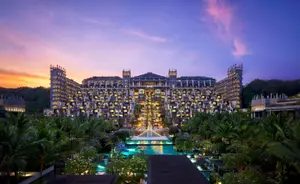
The Desa Potato Head brand emerged from a desire to reimagine sustainability in hospitality, pairing environmental responsibility with contemporary design and a deep respect for Balinese craft traditions. This is not luxury that announces itself with marble lobbies, but a more quietly confident kind that prioritizes cultural resonance over gilt.
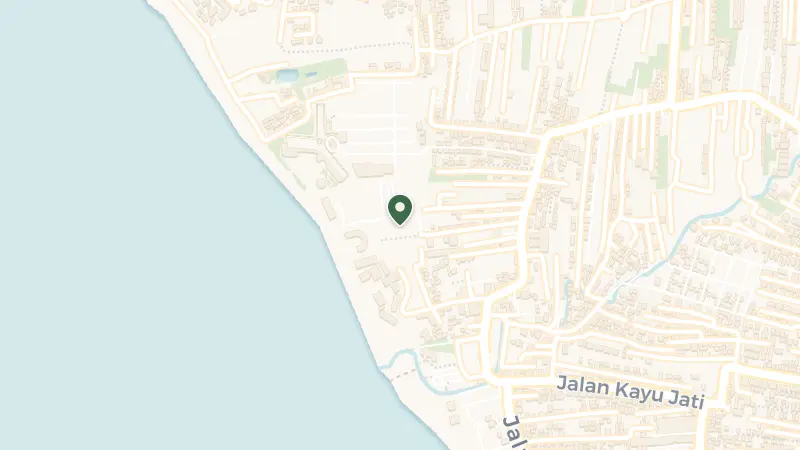
The property sits in Kerobokan Kelod, a district straddling the borderlands between Seminyak's cosmopolitan sprawl and the terraced rice fields that still define much of Bali's interior. Pantai Petitenget lies four hundred metres west, a long sweep of volcanic sand where surfers paddle out at dawn and vendors sell grilled corn at sunset. The beach temple of Pura Petitenget anchors the shore, its tiered meru shrines and offering ceremonies a reminder that this island's Hindu identity shapes daily rhythms far beyond tourist enclaves. Seminyak's boutiques and beachfront clubs are a short walk south; head north and the development thins, giving way to the quieter coastline around Pererenan.
Bali's reputation as Indonesia's tourism engine is well earned, but the island's cultural depth runs far beneath the surface commerce. Traditional dance performances, gamelan orchestras, and the intricate offerings placed daily at doorways and intersections reveal a living devotional practice. Denpasar's I Gusti Ngurah Rai International Airport sits eight kilometres southeast, accessible by taxi or private transfer along roads that shift from urban congestion to palm-shaded lanes in minutes.
The surf breaks along this stretch of coast define the local rhythm. Pantai Petitenget and Pantai Batu Bolong (three kilometres north) draw shortboarders and longboarders alike, their consistent swells best in the dry season when offshore winds clean up the waves. Surf shops cluster along the Kayu Aya corridor, offering board rentals and wax alongside coffee and cold-pressed juice.
Cultural depth reveals itself fifty-four kilometres inland at the terraced rice paddies inscribed as UNESCO heritage sites, where the subak irrigation system has governed water distribution for over a thousand years. The water temples that anchor each terrace embody the Tri Hita Karana philosophy, balancing relationships between humans, nature, and the divine. Closer to the property, the markets at Kayu Aya and Taman Bali (under two kilometres) trade in hand-carved masks, batik textiles, and offerings baskets. Book a table at one of the warungs near Pererenan Beach for nasi campur or bebek betutu, the slow-roasted duck rubbed with spices and wrapped in banana leaves that epitomizes Balinese patience with flavour.
July and August bring the driest air and the clearest skies, temperatures hovering in the high twenties with a crispness that sharpens the morning light over the rice paddies. The ocean is calmer, offshore winds steady, and the island feels less heavy. September through November sees the heat climb again, the air thickening as the first rains arrive in late November.
December through March is monsoon season, though the term overstates the gloom. Rain typically falls in short, hard bursts in the late afternoon, clearing to reveal dramatic cloud formations over the volcanoes. The island turns a deeper green, waterfalls swell, and the terraces glisten. April and May occupy a transitional space, the rains easing but humidity lingering.
Frequently Asked Questions

Quotes are personally reviewed by Natasha Hardy, founder of The Uncommon Traveller
5.0 rating · 8 Google reviewsThere is no fee or markup. The hotel pays our commission.
Request a Quote