Hotel Chinzanso Tokyo
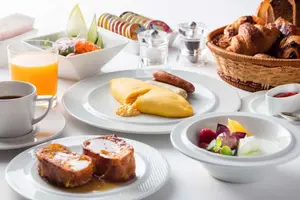
When you book Hotel Chinzanso Tokyo in Japan through our Preferred Platinum partnership, your stay includes daily breakfast for two, a $100 hotel credit per stay and a welcome amenity. You also receive a room upgrade when available. No premium credit card or membership needed: request a quote and our advisor books it at the same rate as booking direct.
Exclusive Booking Perks
These perks are included with your stay at the same rate as booking direct with the hotel.
- Breakfast for Two Daily
- $100 Hotel Credit per Stay (to be used on services such as spa, dining, or selected amenities valued at $100 or more)
- Hotel Welcome Amenity
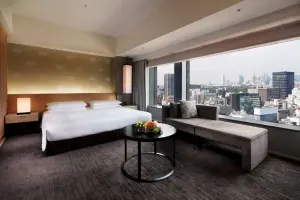
- Room Upgrade (subject to availability)
- Priority Check-in and Check-out (subject to availability)
Guest feedback
9.3/10 from 1,399 guest reviews
By category
Guests liked
- Exceptional service
- Beautiful gardens
- Luxurious atmosphere
Points to consider
- Location may be too far for some
- Food variety could improve
Location
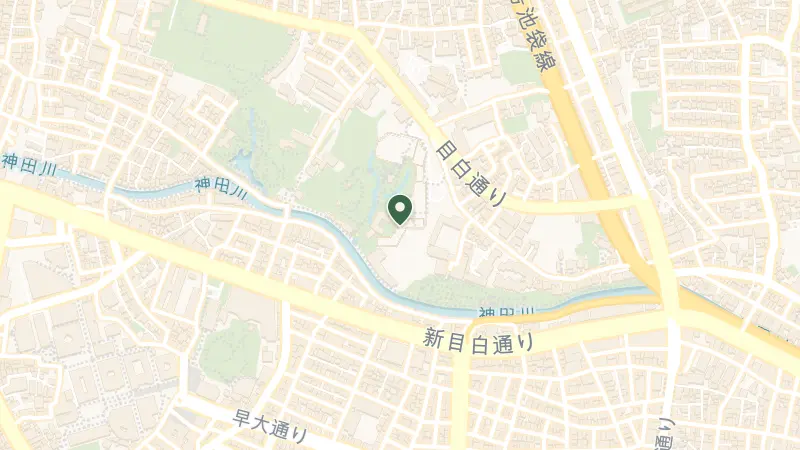
Hotel Chinzanso Tokyo sits in Sekiguchi, a quiet residential pocket north of the city center where temple bells still mark the hours and traditional gardens interrupt the skyline. The surrounding streets slope gently toward the Imperial Palace grounds, a reminder that this quarter once served as a retreat for samurai-era nobility seeking respite from Edo's clamour. Ginkgo trees line the avenues, their leaves turning brilliant gold each November, while nearby Kagurazaka retains the intimate scale of an old hanamachi district, its cobbled alleys now home to French bistros and sake specialists.
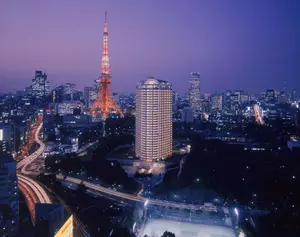
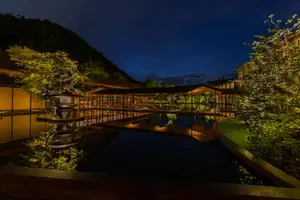
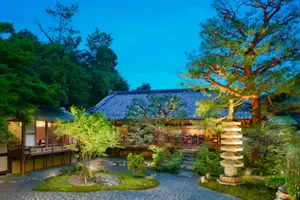
The property commands seven hectares of landscaped gardens that predate the modern city, complete with a five-storey pagoda and centuries-old stone lanterns. Two waterfalls, Choshubaku and Gojo, thread through the grounds, their steady murmur audible from the pathways winding between camellia groves and koi ponds. The broader metropolis unfolds beyond: Shinjuku's neon-lit towers rise five kilometres south, while the political heart of Chiyoda and the Imperial Palace lie within easy reach.
Haneda Airport connects to central Tokyo in under forty minutes via the monorail and metro, making arrivals straightforward despite the city's sprawl.
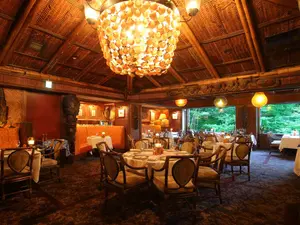
The gardens demand time. Walk the circuit at dawn when mist clings to the pagoda's eaves and gardeners rake gravel paths into perfect geometry. Fireflies emerge here in early summer, a phenomenon increasingly rare in urban Japan. The on-site restaurants showcase seasonal kaiseki traditions, though the real draw lies just beyond the property: Kagurazaka Ishikawa, less than two kilometres away, holds three Michelin stars for Hideki Ishikawa's mui-shizen philosophy, presenting ingredients with an almost ascetic restraint that lets uni, matsutake, and line-caught tai speak without embellishment. Book weeks ahead.
Further afield, Seiji Yamamoto's RyuGin applies scientific rigour to Japanese technique, earning three stars for dishes that deconstruct and reimagine centuries of culinary tradition. Closer still, Kanda honours Tokushima terroir with Awa beef and Naruto fish. For a different tempo, head to Ameya-Yokochō, a bustling open-air market beneath the Yamanote Line tracks four kilometres south, where vendors hawk dried squid, imported spices, and yakitori skewers amid the rattle of passing trains. The Aoyama Farmers Market gathers organic producers each weekend, six kilometres southwest.
Winter brings crystalline light and single-digit temperatures, the city sharp-edged under blue skies. Snow falls rarely but transforms temple gardens into ink-wash paintings when it does. Cherry blossom season peaks in late March and early April, drawing immense crowds to every park; petals drift through the streets like confetti.
Summer arrives humid and relentless, the air thick by mid-June as rainy season settles in. Typhoons punctuate September. The heat persists into August, though festivals animate the evenings with lanterns and taiko drums echoing through neighbourhoods.
Autumn claims November with temperate days and maple leaves igniting hillsides in scarlet and amber. The city exhales after summer's intensity, cafés spill onto sidewalks, and the quality of light softens to gold. This is Tokyo at its most walkable, the humidity finally broken.
Frequently Asked Questions

Quotes are personally reviewed by Natasha Hardy, founder of The Uncommon Traveller
5.0 rating · 8 Google reviewsThere is no fee or markup. The hotel pays our commission.
Request a Quote 111 Bib Gourmand