The Capitol Hotel Tokyu
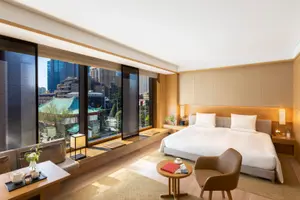
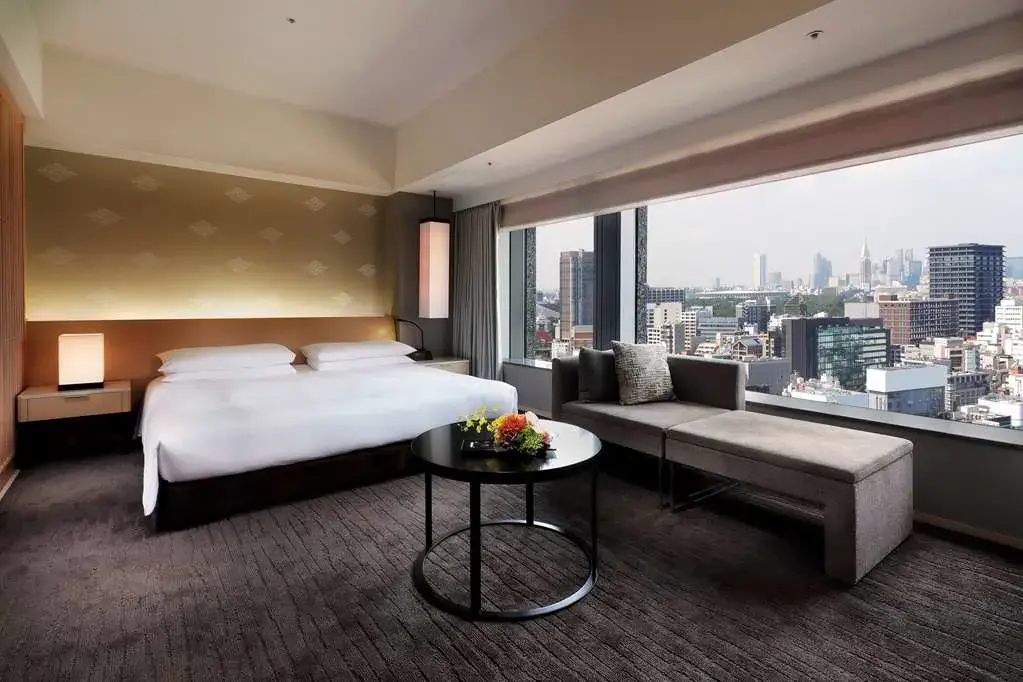
When you book The Capitol Hotel Tokyu in Tokyo, Japan, through our Preferred Platinum partnership, your stay includes daily breakfast for two, a $100 hotel credit per stay and a welcome amenity. You also receive a room upgrade when available. No premium credit card or membership needed: request a quote and our advisor books it at the same rate as booking direct.
Exclusive Booking Perks
These perks are included with your stay at the same rate as booking direct with the hotel.
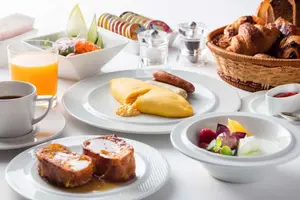
- Breakfast for Two Daily
- $100 Hotel Credit per Stay (to be used on services such as spa, dining, or selected amenities valued at $100 or more)
- Hotel Welcome Amenity
- Room Upgrade (subject to availability)
- Priority Check-in and Check-out (subject to availability)
Guest feedback
9.5/10 from 514 guest reviews
Read what guests commentedBy category
Guests liked
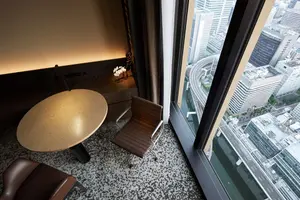
- Spacious rooms
- Excellent service
- Great amenities
Points to consider
- High prices on food
- Cleanliness could improve
- Limited dining options nearby
Location
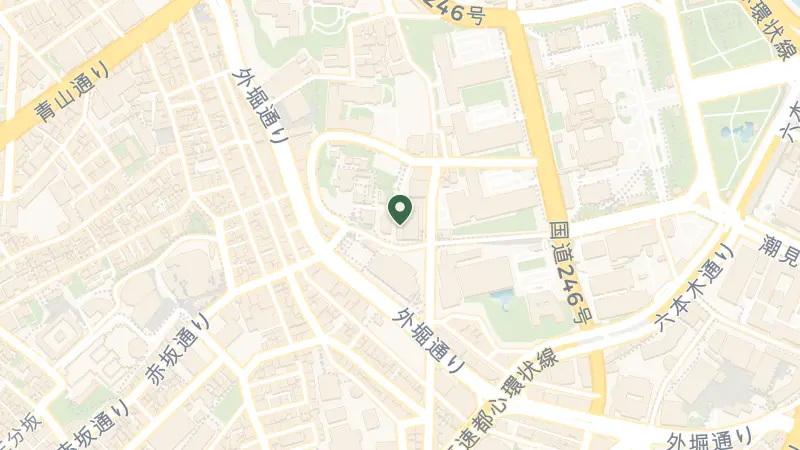
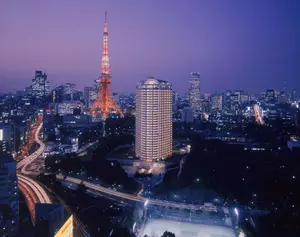
The Capitol Hotel Tokyu sits in Nagatacho, the political heart of Tokyo where power brokers navigate the corridors of the National Diet Building and the Prime Minister's residence stands behind high walls. This is a neighbourhood of hushed decision-making and sharp-suited civil servants, where broad boulevards lined with ginkgo trees cut between government ministries and the quiet precincts of ancient shrines. Walk five minutes and you'll find yourself at the gates of the Imperial Palace, its moated stone ramparts and pine-studded gardens offering a centuries-old counterpoint to the business of modern governance.
The district carries a gravitas distinct from the neon tumult of Shibuya or the shopping theatre of Ginza. Nearby Hie Shrine, guardian deity of Edo Castle since the seventeenth century, climbs a forested hillside reached through vermilion torii gates. The surrounding streets reward wandering: traditional ryotei restaurants conceal themselves behind latticed facades, and the occasional family-run soba shop serves lunch to politicians between parliamentary sessions.
Haneda Airport lies fourteen kilometres south with direct trains reaching central Tokyo in under thirty minutes, while Narita sits an hour northeast. The city's impeccable subway network converges at nearby stations, making the entire metropolis accessible from this surprisingly serene pocket of the capital.
Nagatacho's proximity to three-star dining puts serious gastronomes within striking distance of Tokyo's culinary zenith. Kanda, just over a kilometre away, showcases Hiroyuki Kanda's Tokushima-rooted kaiseki: indigo-dyed noren, local sake, Naruto fish, and Awa beef handled with minimal intervention. RyuGin, under Seiji Yamamoto's scientific precision, charts the vastness of Japanese technique two kilometres south, while Harutaka Takahashi's sushi counter (same distance) reflects the discipline learned at Sukiyabashi Jiro. Book months ahead for any of these. The neighbourhood itself unfolds quietly: morning visits to Hie Shrine reveal priests sweeping stone pathways before the first salarymen arrive, and the Imperial Palace East Gardens offer free entry to former castle grounds where koi circle moats beneath cherry branches.
The Aoyama Farmers Market, three kilometres west, gathers weekend crowds for Yamanashi peaches and artisan preserves. Cross into Roppongi and you'll find the Mori Art Museum atop a gleaming tower, contemporary installations facing Mount Fuji on clear days. For a different texture entirely, Ameya-Yokocho market sprawls five kilometres northeast near Ueno, its narrow lanes thick with grilled squid smoke and vendors hawking dried seafood since the postwar black market days.
Winter dawns break cold and crystalline, temperatures hovering just above freezing while the city wakes under pale skies. January and February bring occasional snow that melts by midday, and the low-angled sun casts long shadows across temple courtyards. This is prime season for hot sake and steaming bowls of nabemono.
Spring transforms the metropolis. Late March through early April sees cherry blossoms erupt along the Imperial Palace moats, petals drifting across dark water while crowds picnic beneath laden branches. Temperatures climb into the high teens, jackets shed by afternoon. May grows warmer still, humidity rising before the June rains settle in with persistent grey skies.
Summer arrives heavy and sweltering. July and August push past thirty degrees with thick humidity that sends locals underground to air-conditioned subway corridors. September stays warm but typhoon season stirs the air. Autumn redeems everything: October and November offer crisp clarity, maple leaves turning crimson in temple gardens, and that particular slant of light that makes Tokyo's chaos feel almost orderly.
Frequently Asked Questions

Quotes are personally reviewed by Natasha Hardy, founder of The Uncommon Traveller
5.0 rating · 8 Google reviewsThere is no fee or markup. The hotel pays our commission.
Request a Quote 111 Bib Gourmand