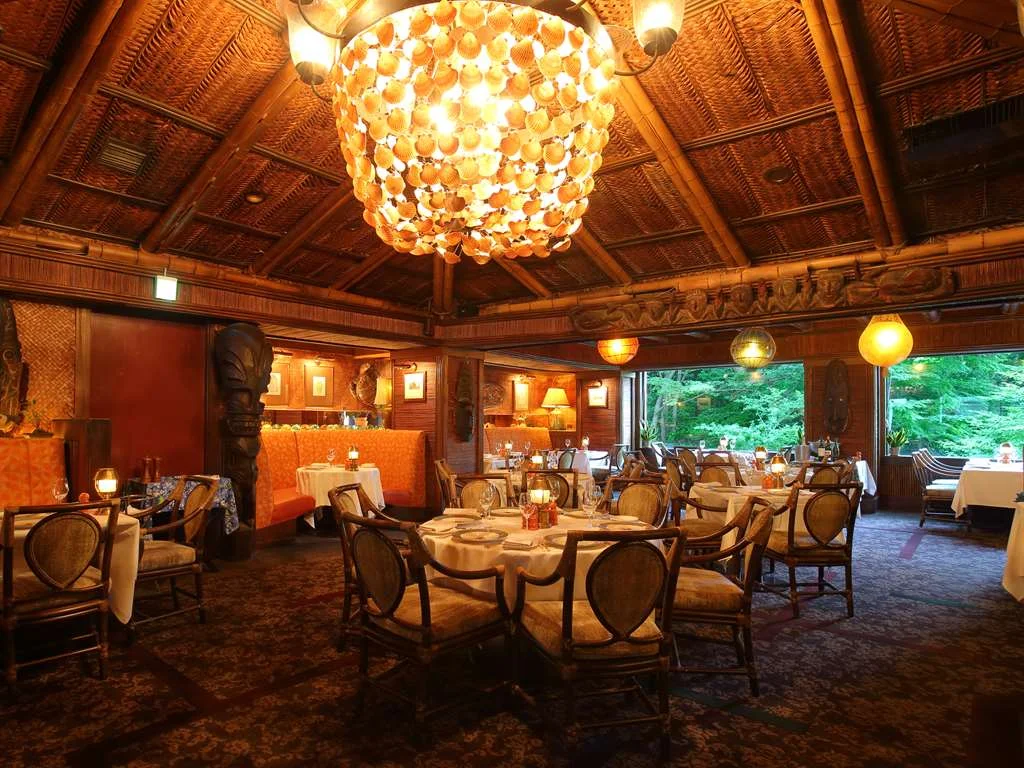
Hotel New Otani Tokyo The Main
When you book Hotel New Otani Tokyo The Main in Japan through our Preferred Platinum partnership, your stay includes daily breakfast for two, a $100 hotel credit per stay and a welcome amenity. You also receive a room upgrade when available. No premium credit card or membership needed: request a quote and our advisor books it at the same rate as booking direct.
Exclusive Booking Perks
These perks are included with your stay at the same rate as booking direct with the hotel.
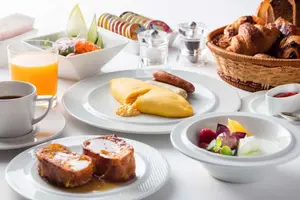
- Breakfast for Two Daily
- $100 Hotel Credit per Stay (to be used on services such as spa, dining, or selected amenities valued at $100 or more)
- Hotel Welcome Amenity
- Room Upgrade (subject to availability)
- Priority Check-in and Check-out (subject to availability)
Guest feedback
8.7/10 from 1,579 guest reviews
By category
Guests liked
- Exceptional staff
- Beautiful rooms and gardens
Points to consider
- Cleanliness issues
- High price for some services
Location
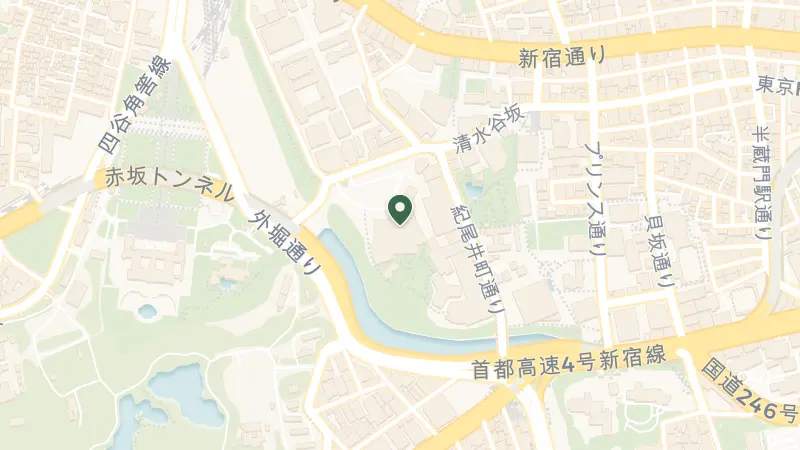
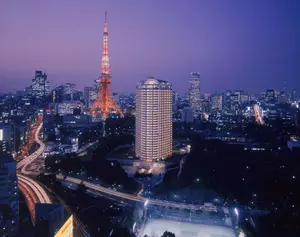
Hotel New Otani Tokyo The Main sits in Kioichō, a district that holds the quiet memory of samurai clans in its very name. During the Edo era, the Kii, Owari, and Ii families kept estates here, and though towers now puncture the skyline, the neighbourhood retains pockets of historical calm. Shimizudani Park preserves a fragment of that older Tokyo, with stone paths and carefully tended greenery that offer respite from the commercial pulse of Shinjuku and Shibuya a few kilometres away.
Chiyoda ward, where the property stands, balances governmental gravity with leafy quietude. The Imperial Palace gardens lie within easy reach, their moats and gates framing a landscape that predates the city's concrete sprawl. To the west, Sophia University's campus brings a scholastic hum, while the broader metropolis unfolds in every direction: Shinjuku's administrative towers to the northwest, Shibuya's crossing and commerce to the southwest, and the ceremonial heart of the National Diet Building to the south.
From Haneda Airport, fifteen kilometres across Tokyo Bay, trains and taxis deliver arrivals swiftly into central Tokyo. Narita, sixty kilometres northeast, requires more patience but connects seamlessly by rail.
Tour D'argent Tokyo carries the lineage of its Parisian predecessor, born from a meeting between the Hotel New Otani's founder and the owner of the Paris original, where the fork was reputedly first introduced to dining tables. The restaurant's connection to the legendary Three Emperors Dinner at the Paris Exposition lends historical weight to its contemporary French cuisine. Beyond the property, Tokyo's Michelin constellation shines fiercely. Kanda, just over two kilometres north, earned three stars through Hiroyuki Kanda's restrained devotion to ingredients from his native Tokushima: indigo noren curtains, local sake, Naruto fish, and Awa beef prepared with minimal intervention. Book a table at Kagurazaka Ishikawa, equally lauded, where Hideki Ishikawa's mui-shizen philosophy strips away artifice to honour each component with light, precise seasoning.
Tsukiji Outer Market, under four kilometres south, remains Tokyo's most rewarding food pilgrimage despite the wholesale shift to Toyosu. Vendors still hawk uni, tamago, and tsukemono at dawn, while knife shops and tea merchants keep centuries-old trades alive. The Imperial Palace East Gardens offer structured serenity, their moats reflecting cherry branches in spring and maples in autumn.
Winter settles over Tokyo with sharp, bright mornings, temperatures dipping just above freezing in January but rarely sustaining snow in the city centre. The light slants low and golden, and heated interiors make museum days and indoor dining especially appealing.
Spring builds slowly through March, then erupts in cherry blossoms by early April, when temperatures climb into the high teens and the city pours into parks. May is mild and temperate, before June ushers in tsuyu, the rainy season, when humidity thickens and umbrellas proliferate.
Summer brings sweltering heat, often pushing past thirty degrees with high humidity that makes even short walks sticky work. Autumn, particularly October and November, delivers Tokyo's finest weather: crisp air, ginkgo-lined streets turning gold, and clear skies that frame Mount Fuji on fortunate days.
Frequently Asked Questions

Quotes are personally reviewed by Natasha Hardy, founder of The Uncommon Traveller
5.0 rating · 8 Google reviewsThere is no fee or markup. The hotel pays our commission.
Request a Quote 111 Bib Gourmand