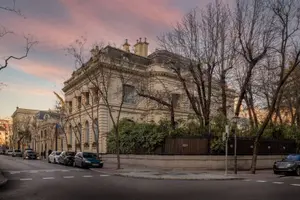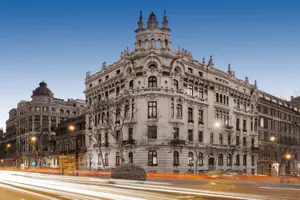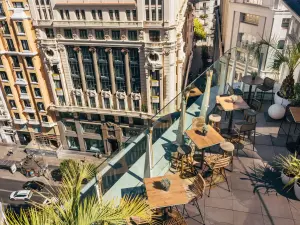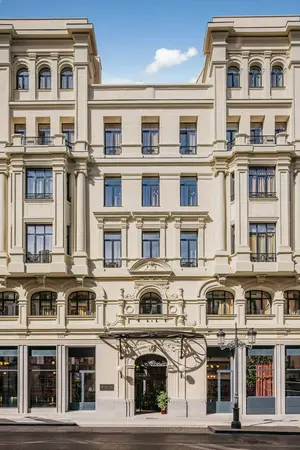
Nômade Temple Madrid
When you book Nômade Temple Madrid in Spain through our Inner Core partnership, your stay includes daily breakfast for two. You also receive a room upgrade and late check-out when available. No premium credit card or membership needed: request a quote and our advisor books it at the same rate as booking direct. Plus, for a limited time, a complimentary night is included with your stay.
Special Offer: Free night
Stay 4, Pay 3 Offer includes: + Complimentary night for every three consecutive paid nights (cumulative offer) + Daily breakfast + 100 USD F&B Credit + Early Check-in/Late Check out* + Room upgrade* *Subject to availability
Exclusive Booking Perks
These perks are included with your stay at the same rate as booking direct with the hotel.
- Room upgrade (subject to availability at check-in)
- $100 USD/EUR property credit (once per stay)
- Daily breakfast for 2 guests, per day
- Late Check-Out
- Early Check-In Time (based on availability)
Location
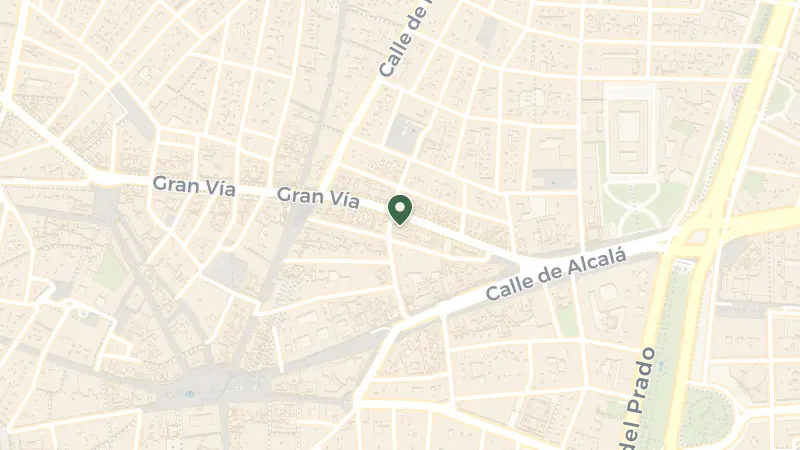
Barrio de las Letras, the literary quarter, earned its name from the writers who lived and worked here during Spain's Golden Age. Cervantes died in a house on Calle de León; Lope de Vega's home still stands a few streets over. The district unfolds along narrow cobbled lanes where theatre marquees and second-hand bookshops crowd against tapas bars spilling conversation onto the pavement. This is central Madrid at its most lived-in, where tourists and locals share the same tables at century-old vermuterías.
The walled military outpost that became Madrid dates to the late 9th century under the Emirate of Córdoba, conquered by Christians in 1085. When Philip II moved the court here in 1561, the city became the permanent seat of the Hispanic Monarchy and Spain's administrative heart. That centralised power shaped the wide boulevards and grand institutions that define the capital today.
Paseo del Prado, a tree-lined avenue and prototype of the Hispanic alameda, runs one kilometre east. The Gran Vía's neon and traffic surge a few blocks north. Adolfo Suárez Madrid–Barajas Airport lies 14 kilometres northeast, connected by metro and express bus.
Gofio, the property's Michelin-starred restaurant, brings Canary Islands cuisine to a two-storey dining room off Gran Vía. The kitchen treats ingredients from the archipelago with precision: expect dishes rooted in the volcanic terroir of the Canaries, where Gofio flour and Atlantic seafood meet contemporary technique. Book a table early; the move to larger premises reflects growing demand.
Two hundred metres south, Paco Roncero's two-starred restaurant pursues avant-garde creativity in an elegant space. For the full spectacle, DiverXO holds three stars 4.5 kilometres away, where Dabiz Muñoz's irreverent plates, Galician lobster waking up on the beaches of Goa among them, break every rule. Closer to the property, Mercado de San Antón stands 300 metres north: a three-storey market hall where vendors sell jamón, cheese, and produce on the lower floors while the rooftop terrace serves wine and small plates. The historic Mercado de San Miguel, 900 metres west, draws crowds for its wrought-iron pavilion and standing-room tapas counters.
Summer in Madrid is relentless. July and August push past 32 degrees, the air dry and still, the city emptying as locals flee to the coast. Mornings offer the only respite; by afternoon, shade is currency.
Spring and autumn bring the best walking weather. April through May and September through October deliver mild days, trees leafing out along the paseos, terrace tables in constant use. October rains return, but temperatures stay comfortable.
Winter is crisp and bright, rarely severe. December and January hover near ten degrees during the day, dropping to freezing overnight. The light turns sharp and golden, the streets quieter, the museum queues mercifully short.
Frequently Asked Questions

Quotes are personally reviewed by Natasha Hardy, founder of The Uncommon Traveller
5.0 rating · 8 Google reviewsThere is no fee or markup. The hotel pays our commission.
Request a Quote 19 Bib Gourmand