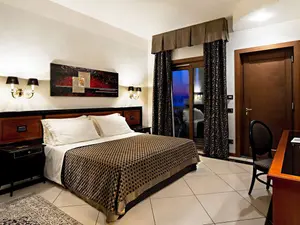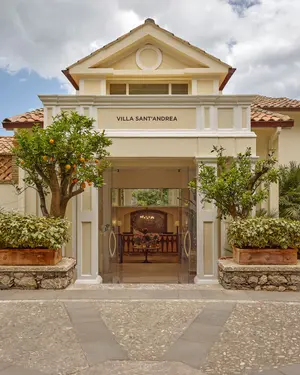
Palazzo Castelluccio
When you book Palazzo Castelluccio in Sicily, Italy, through our Rocco Forte Knights partnership, your stay includes daily breakfast for two and a $100 food and beverage credit. You also receive a room upgrade when available. No premium credit card or membership needed: request a quote and our advisor books it at the same rate as booking direct.
Exclusive Booking Perks
These perks are included with your stay at the same rate as booking direct with the hotel.
- Daily Breakfast for Two
- $100 Food & Beverage credit (applied in local currency)
- Room upgrade, based on availability at check in
Location
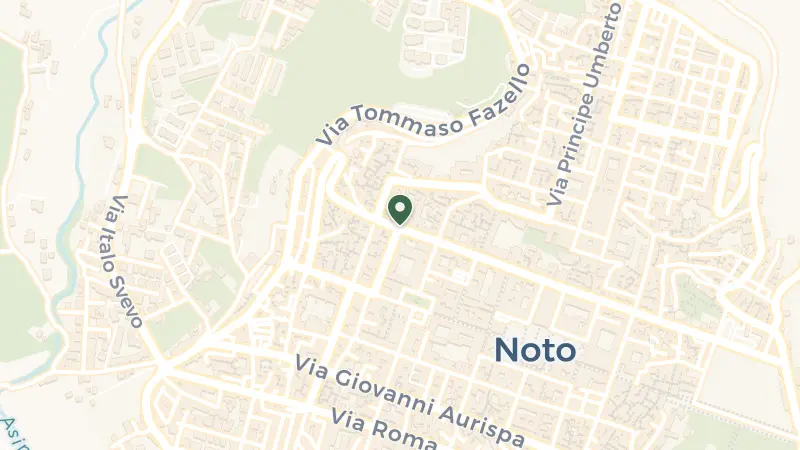
Palazzo Castelluccio rises in Noto, a town rebuilt from catastrophe into an expression of pure late Baroque ambition. After the 1693 earthquake levelled the medieval city, architects reimagined the entire settlement on this hillside site, carving churches, palazzi, and convents from golden limestone that glows amber at sunset. The effect is theatrical: facades swell with cherubs and balconies curve like theatre boxes, all orchestrated along a ceremonial axis that climbs toward the cathedral. This is the Val di Noto at its most audacious, a UNESCO-inscribed testament to the fevered creativity that followed destruction.
The property stands in Piano Alto, the upper town where residential life hums beneath the Baroque grandeur. Step outside and the Corso Vittorio Emanuele unfurls westward, lined with gelaterie and morning pastry counters. The Chiesa del Santissimo Crocifisso anchors the neighbourhood, its unfinished facade a contrast to the polished opulence elsewhere. Warm evenings bring the passeggiata: families promenading, voices echoing off limestone walls.
Comiso Airport lies 42 kilometres northwest; Catania-Fontanarossa, the larger gateway, is 64 kilometres north. By car, Syracuse and its Greek ruins sit 32 kilometres up the coast, while inland routes wind past olive groves and baroque sibling towns.
Crocifisso, the Michelin-starred restaurant, occupies a palazzo just steps from the namesake church, offering one of the region's most compelling contemporary menus rooted in Sicilian tradition. For a broader survey of the island's haute cuisine, drive 29 kilometres northwest to Ragusa Ibla and secure a table at Duomo, where chef Ciccio Sultano's two-star kitchen interprets Sicily through his "citrica" philosophy, weaving citrus and coastal ingredients into intricate, layered compositions. Cortile Spirito Santo, a one-star address 27 kilometres north in Syracuse's Ortigia district, presents creative modern cooking near Castel Maniace, ideal for a day exploring Greek ruins and Baroque piazzas. Don't miss the Sunday morning Mercato settimanale di Noto, where farmers sell blood oranges, caciocavallo, and jarred caponata under striped awnings.
Beyond the table, Sicily's southeastern corner unfolds in layers. The Vendicari Nature Reserve, ten kilometres south, protects lagoons where flamingos wade among Roman fish tanks. Cavagrande del Cassibile, nine kilometres inland, carves a limestone canyon with pools fed by small waterfalls. Wineries dot the countryside: Feudo Maccari and Cantina Marabino produce robust Nero d'Avola and mineral whites from ancient vines. Book a tasting at Cantina Tenuta Palmeri, just over four kilometres away, for a primer on volcanic terroir.
May through June delivers the ideal window: warm coastal light, wildflowers across the Hyblaean foothills, and temperatures hovering in the low to mid twenties. The air smells of jasmine and limestone dust. July and August push past thirty degrees; streets empty during afternoon riposo, and beach towns like Lido di Noto swell with umbrellas and bathers.
September cools to the mid twenties, the light turning golden as harvest begins in the vineyards. Autumn rains arrive in October, drumming on cobblestones and filling the cisterns beneath baroque palazzi. Winter is mild but wet; January mornings can feel brisk at thirteen degrees, though the stonework still holds warmth by midday.
Spring reawakens the island in March and April. Almond blossoms precede the Easter processions, when brass bands wind through Noto's streets and incense drifts from church doorways. Rain tapers off by May, leaving everything green before the summer bake sets in.
Frequently Asked Questions

Quotes are personally reviewed by Natasha Hardy, founder of The Uncommon Traveller
5.0 rating · 8 Google reviewsThere is no fee or markup. The hotel pays our commission.
Request a Quote 1 Bib Gourmand