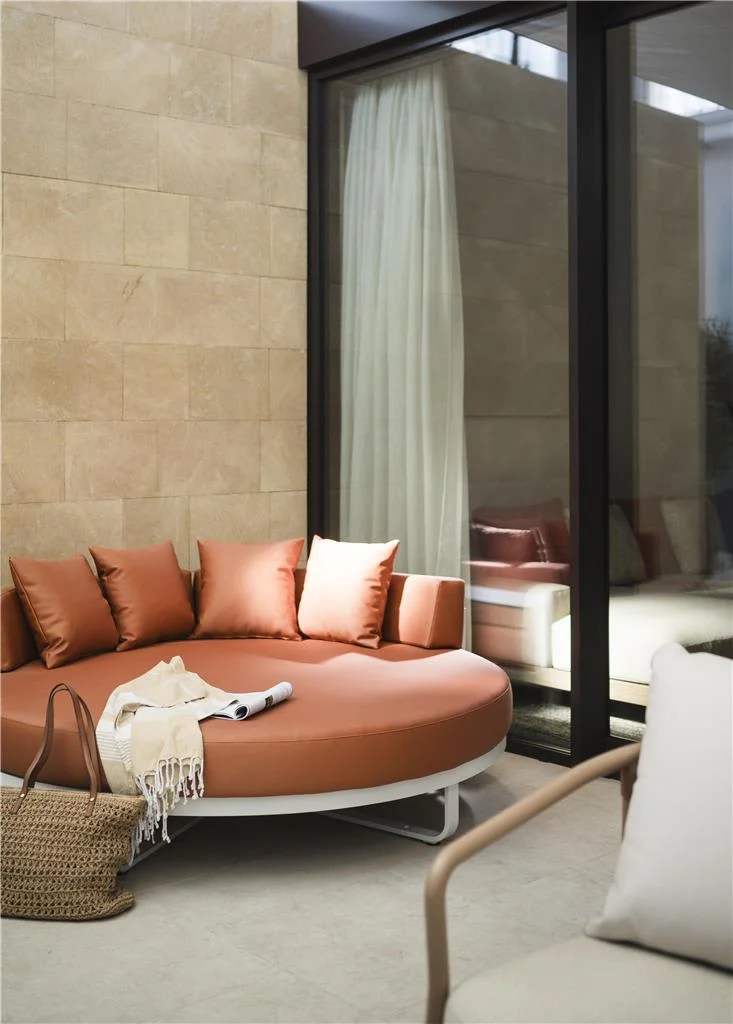
Falkensteiner Family Resort Sicily
When you book Falkensteiner Family Resort Sicily in Italy through our Fora Rates partnership, your stay includes daily breakfast and a $100 resort credit. You also receive a room upgrade, early check-in and late check-out when available. No premium credit card or membership needed: request a quote and our advisor books it at the same rate as booking direct.
Exclusive Booking Perks
These perks are included with your stay at the same rate as booking direct with the hotel.
- Complimentary breakfast served daily
- Early check-in and late check-out, subject to availability
- Complimentary upgrade, subject to availability
- $100 resort credit
Location
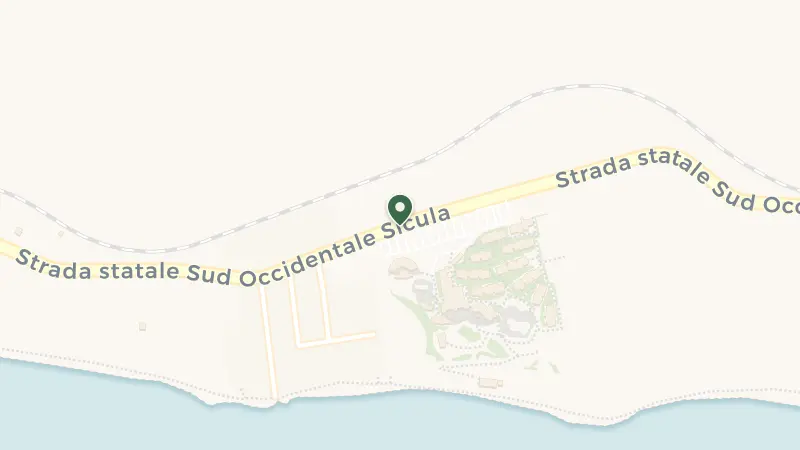
This family-oriented property sits on Sicily's southern coast near Licata, a working port town at the mouth of the Salso River. The location is strategic for families seeking a balance between beach access and cultural exploration: Mount Etna looms to the north, the Valley of the Temples at Agrigento lies forty-two kilometres west, and the Baroque towns of the Val di Noto spread to the east. Licata itself retains the character of a sulphur-exporting hub from the turn of the twentieth century, its streets still echoing with the rhythms of a maritime economy.
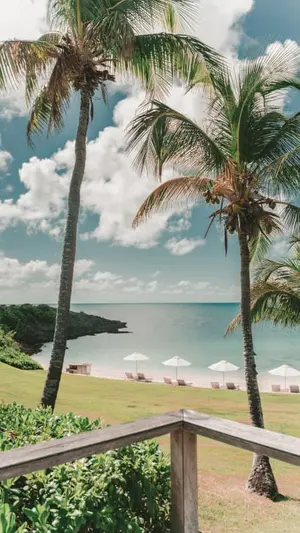
The south coast here unfolds in pocket beaches separated by wave-cut limestone headlands that rise forty metres above the Mediterranean. Spiaggia della Playa stretches just beyond the property, its sand warming under the Sicilian sun. West of the port, the coastline alternates between these secluded coves and rocky promontories, the water impossibly clear.
Sicily's archaeological record reaches back fourteen thousand years, and the Greek colonies that once ringed the island left temples, theatres, and a culinary tradition that still defines the table. Comiso Airport lies fifty-four kilometres northeast, Catania-Fontanarossa just over an hour's drive beyond that.
The sand beaches within short reach make this a practical base for families. Spiaggia di Marianello and Spiaggia di Mollarella, both stretches of sand reachable within fifteen minutes by car, offer calm shallows. For dining beyond the property, drive seven kilometres inland to La Madia in Licata, where chef Pino Cuttaia's two Michelin stars reflect his devotion to Sicilian ingredients and unfussy preparations. His shellfish dishes and seasonal pasta highlight what the Mediterranean yields without pretense. Book a table well ahead; this is the culinary anchor of the south coast.
Forty-two kilometres west, the Archaeological Area of Agrigento preserves Doric temples from the sixth century BC, when the Greek colony was among the Mediterranean's wealthiest cities. The Villa Romana del Casale, forty kilometres north, displays Roman mosaics that mapped the rural economy of the Western Empire. The Late Baroque towns of the Val di Noto, rebuilt after the earthquake of 1693, lie under two hours east. Scicli, Ragusa, and Noto showcase the theatrical architecture that followed catastrophe.
Summer arrives in June and holds through September, when temperatures climb into the high twenties and rainfall nearly disappears. The light intensifies, the stone of ancient temples glows amber at dusk, and the beaches fill with Italian families. July and August see the mercury reach thirty degrees; mornings and evenings bring relief.
Spring and autumn offer milder conditions for exploring archaeological sites. April and May bring wildflowers to the hillsides, temperatures in the high teens, and fewer crowds at Agrigento. October remains warm enough for swimming, though afternoon showers return.
Winter is mild by northern European standards, with daytime highs in the low teens and rain falling more frequently from November through February. The island quiets, sulphur-scented mists drift off the coast, and the rhythm of daily life slows to its oldest cadence.
Frequently Asked Questions

Quotes are personally reviewed by Natasha Hardy, founder of The Uncommon Traveller
5.0 rating · 8 Google reviewsThere is no fee or markup. The hotel pays our commission.
Request a Quote 1 Bib Gourmand