Minareto
When you book Minareto in Sicily, Italy, through our Fora Rates partnership, your stay includes buffet breakfast. You also receive a room upgrade and late check-out when available. No premium credit card or membership needed: request a quote and our advisor books it at the same rate as booking direct.
Exclusive Booking Perks
These perks are included with your stay at the same rate as booking direct with the hotel.
- Welcome bottle at arrival
- Free late check-out (subject to availability)
- Early check-in (subject to availability)
- Complimentary room upgrade (subject to availability)
- One complimentary taxi boat (round trip) to Ortigia island during the stay to be planned at the reception
- One spa included per stay (it includes an hour inside the spa area where jacuzzi, sauna, emotional shower and hammam) private for 2 people are located / no massages are included)
- Complimentary buffet breakfast at the restaurant at the Hotel
Location
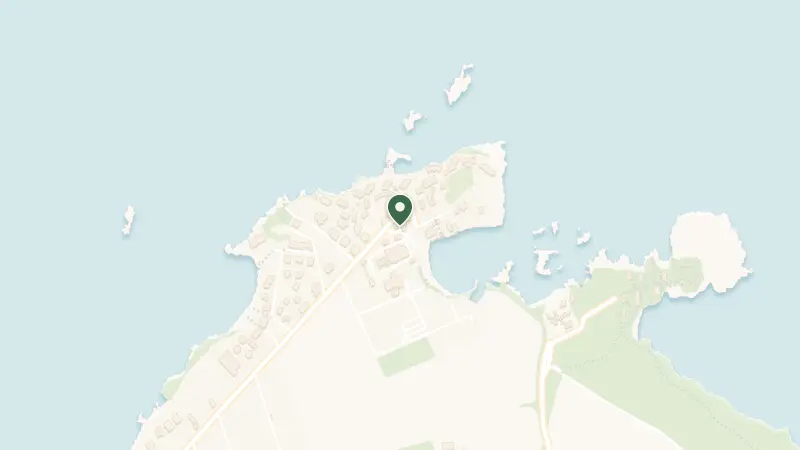
The hotel sits on Sicily's southeastern coast, where the island's layered history meets the Ionian Sea. This is Syracuse, ancient rival of Athens and cradle of Magna Graecia, a city whose fortunes rose and fell under Greek tyrants, Roman proconsuls, Byzantine governors, and Arab emirs. The modern property occupies a quiet stretch of coastline south of the historic centre, where limestone cliffs drop to small sandy beaches and the water shifts from turquoise to deepest blue. The Spiaggia del Minareto lies just below, a sliver of sand where the only sounds are the soft collapse of waves and the occasional passing yacht heading to Porto Grande.
Ortigia, the baroque heart of Syracuse, rises across the harbour entrance: a sun-bleached island of honey-coloured stone where narrow streets open onto sudden piazzas and the cathedral's facade glows amber in the evening light. The Greek theatre and the Neapolis archaeological park lie just inland, stone amphitheatres cut into hillsides where wildflowers bloom in spring. The air smells of sea salt, jasmine, and the faint char of wood-fired ovens.
Catania-Fontanarossa Airport lies 52 kilometres north, about an hour by road along the coast. Comiso Airport, 62 kilometres inland, offers an alternative for European connections.
The coastline here is Syracuse in miniature: small coves, clear water, and limestone ledges where you can slip into the sea without ceremony. Spiaggia di Punta Carrozza stretches to the north, another sandy crescent just 300 metres away. The Area marina protetta Plemmirio, a protected marine zone, begins three kilometres south and offers some of the region's finest snorkelling among rocky reefs and underwater caves. Book a table at Cortile Spirito Santo on Ortigia, where chef Simone Campo earned a Michelin star for his modern Sicilian cooking in the courtyard of Palazzo Salomone. The menu changes with the catch: raw prawns from Marzamemi, sea urchin from the Plemmirio rocks, local ricotta folded into cassatelle.
The UNESCO-listed Syracuse and the Rocky Necropolis of Pantalica lies just two kilometres inland, where over 5,000 tombs riddle the cliff faces like honeycombs, a Bronze Age city of the dead. The Mercato Ittico near the harbour sells swordfish steaks and red prawns at dawn. Cantine Gulino, 2.7 kilometres away, pours Nero d'Avola and Moscato di Siracusa in a cellar that smells of oak and dark fruit. Don't miss the Late Baroque Towns of the Val di Noto, 26 kilometres south, where Noto's cathedral rises in tiers of cream-coloured stone, rebuilt after the earthquake of 1693.
July and August bring the full weight of the Mediterranean summer: temperatures push past 29 degrees, the streets empty at midday, and the sea becomes a necessity rather than a choice. The light is white and unforgiving, softening only as evening falls and cafe tables fill again.
April through June offers the island at its most gracious. Wildflowers carpet the countryside, the Greek ruins are walkable by mid-morning, and the sea temperature climbs steadily from bracing to inviting. September holds the same appeal: warm water, thinning crowds, and the first harvests arriving at market stalls piled with tomatoes and aubergines.
Winter is mild but unpredictable, with rain sweeping in from the Ionian and temperatures hovering in the low teens. The city feels smaller, more reserved, though the winter light on Ortigia's stone is worth the gamble.
Frequently Asked Questions

Quotes are personally reviewed by Natasha Hardy, founder of The Uncommon Traveller
5.0 rating · 8 Google reviewsThere is no fee or markup. The hotel pays our commission.
Request a Quote 1 Bib Gourmand