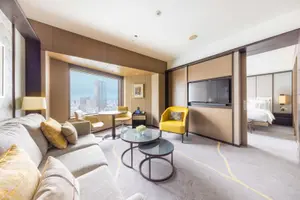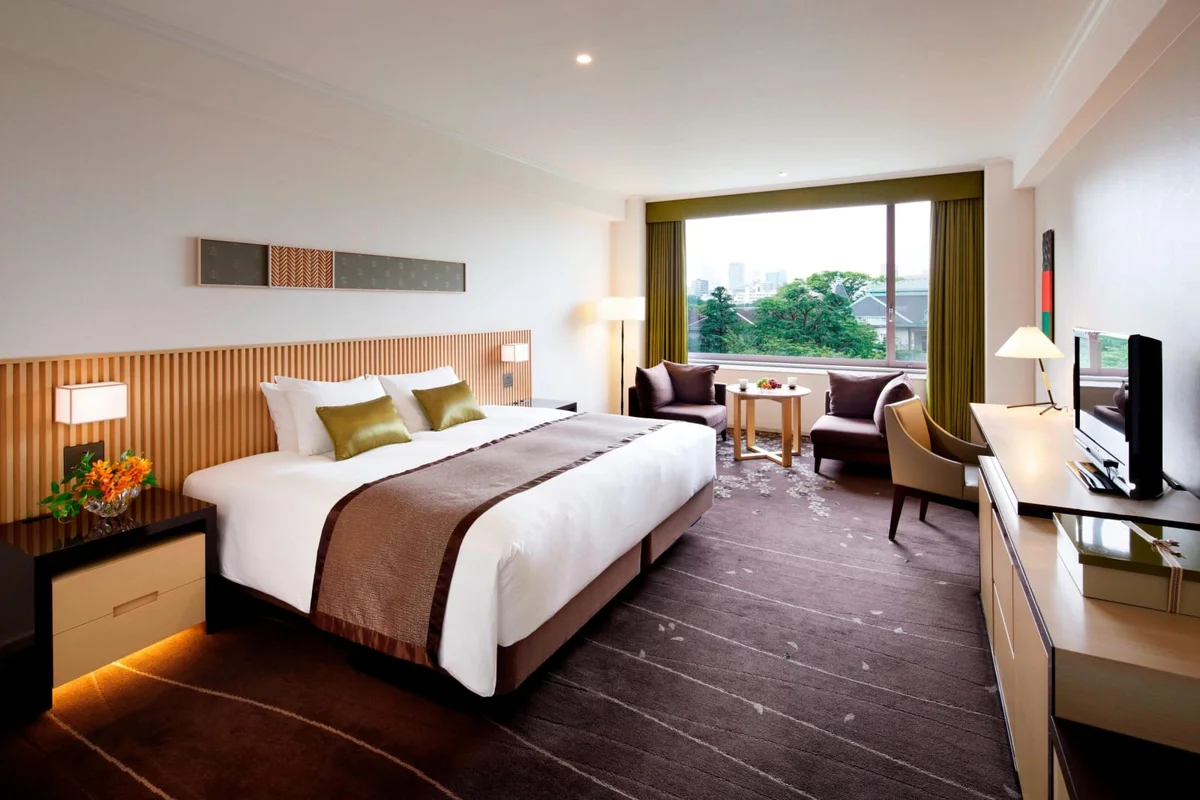
The Prince Sakura Tower Tokyo, Autograph Collection
When you book The Prince Sakura Tower Tokyo, Autograph Collection in Japan, through our Marriott Luminous partnership, your stay includes daily breakfast for two and a welcome amenity. You also receive a room upgrade, early check-in and late check-out when available. No premium credit card or membership needed: request a quote and our advisor books it at the same rate as booking direct.
Exclusive Booking Perks
These perks are included with your stay at the same rate as booking direct with the hotel.
- Welcome amenity
- Complimentary breakfast daily for two guests per room
- Early check-in and late check-out (when available)
- Complimentary upgrade (if available at check-in)
Guest feedback
9.0/10 from 343 guest reviews
Read what guests commentedBy category
Guests liked
- Great location
- Comfortable beds
- Clean environment
Points to consider
- Poor service
- Value concerns
- Dated rooms
Location
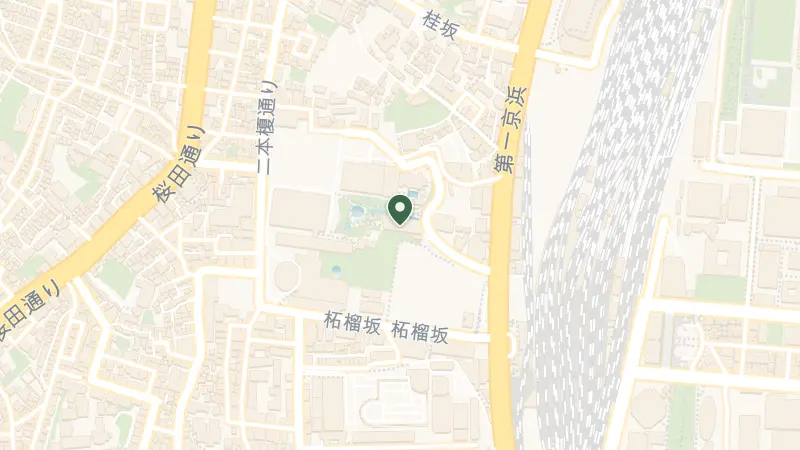
Takanawa sits just south of the glittering towers of central Tokyo, a neighbourhood where the capital's political heritage meets its contemporary polish. The district carries quiet prestige: embassies line tree-shaded streets, and the Imperial Palace grounds lie within easy reach to the north. This is the Tokyo of measured elegance rather than neon chaos, where traditional ryotei restaurants operate behind discreet facades and cherry trees frame stone walls. The property stands moments from Shinagawa Station, a major transit hub connecting travellers to both Haneda International Airport ten kilometres away and the wider metropolis.
The Takanawa area rewards those who explore on foot. Sengakuji Temple, burial ground of the famed 47 ronin, sits nearby, its grounds offering a contemplative counterpoint to the city's velocity. To the east, Tokyo Bay stretches toward the reclaimed islands of Odaiba. To the west, the shopping corridors of Shinagawa unfold with department stores and izakaya tucked beneath elevated rail lines.
Tokyo's character is one of perpetual reinvention layered over deep ritual. The city became Japan's capital in 1868, transforming from Edo's shogunate seat into a modern metropolis that now anchors the world's most populous urban area. Yet temples still mark seasonal festivals, and the rhythm of daily life follows centuries-old courtesies even as skyscrapers climb higher each decade.
Three-Michelin-starred Quintessence sits less than a kilometre away, where Shuzo Kishida pursues what he calls the true essence of French cuisine through an unyielding focus on ingredients, flame, and seasoning. Book months ahead. Two kilometres north, Sazenka reinterprets Chinese cooking through what chef Tomoya Kawada describes as tea-Zen-Chinese philosophy, earning three stars for dishes that mediate between refinement and nature. For the pinnacle of French technique, Joël Robuchon occupies Yebisu Garden Place, the late master's eponymous flagship still commanding three stars.
Closer to the property, Gotanda Tokyu Plaza offers a slice of neighbourhood commerce, while the Aoyama Farmers Market four kilometres west showcases seasonal Japanese produce on weekends. Odaiba Beach provides an unexpected stretch of sand along Tokyo Bay, artificial but pleasant for bayside strolls. Don't miss Sengakuji Temple for its connection to Japan's most celebrated tale of loyalty and revenge. The grounds feel worlds away from the surrounding city, especially in early morning when incense smoke drifts through the stone markers.
Winter brings crystalline light and temperatures hovering near freezing at night, the city's driest season when Mount Fuji appears sharp against western skies. Streets empty early, and indoor warmth becomes ritual. Spring transforms Tokyo as cherry blossoms cascade through parks and temple grounds from late March through April, temperatures climbing into the mid-teens and the city celebrating hanami beneath flowering branches.
Summer arrives humid and insistent, typhoon season layering heavy rains over August and September heat that pushes past thirty degrees. The city moves indoors during midday, emerging only after dusk when festivals animate riverside districts. Autumn offers Tokyo's finest weather: October through November sees comfortable temperatures, stable skies, and maples turning the palace gardens crimson and gold.
Frequently Asked Questions

Quotes are personally reviewed by Natasha Hardy, founder of The Uncommon Traveller
5.0 rating · 8 Google reviewsThere is no fee or markup. The hotel pays our commission.
Request a Quote 111 Bib Gourmand