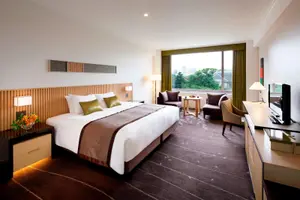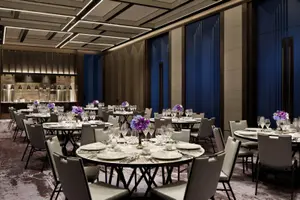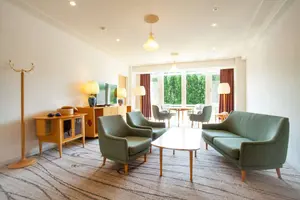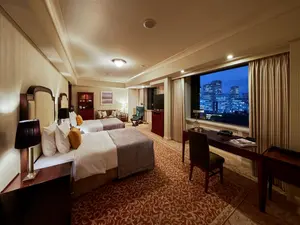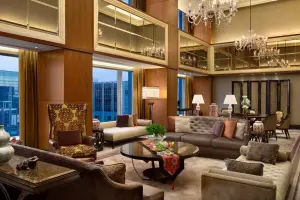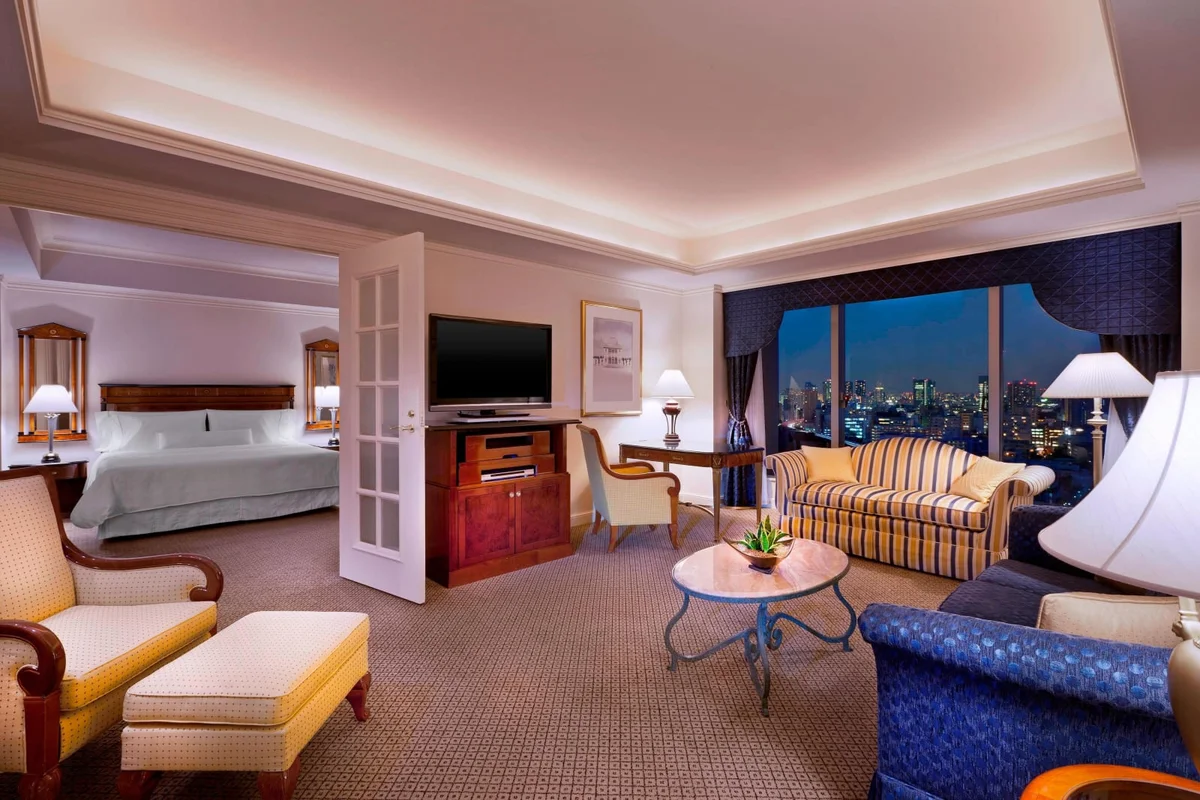
The Westin Tokyo
When you book The Westin Tokyo in Japan through our Marriott Luminous partnership, your stay includes daily breakfast for two and a welcome amenity. You also receive a room upgrade, early check-in and late check-out when available. No premium credit card or membership needed: request a quote and our advisor books it at the same rate as booking direct.
Exclusive Booking Perks
These perks are included with your stay at the same rate as booking direct with the hotel.
- Welcome amenity
- Complimentary breakfast daily for two guests per room
- Early check-in and late check-out (when available)
- Complimentary upgrade (if available at check-in)
Location
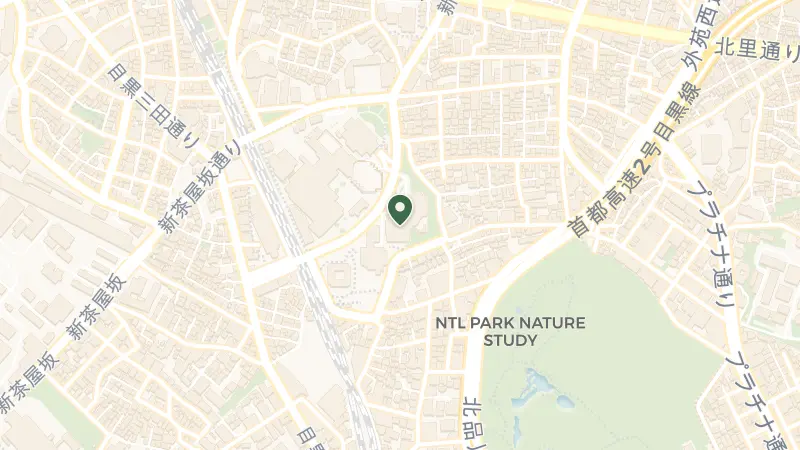
The Westin Tokyo occupies the Mita district, a quieter pocket of central Tokyo where corporate towers stand alongside residential blocks and the occasional hidden shrine. This is a city of contrasts: ancient temple bells ring beneath the hum of the Yamanote Line, salaryman izakaya sit steps from Michelin-starred dining rooms, and neon-lit scrambles give way to hushed garden courtyards. The property sits near the bay's northern edge, where the Imperial Palace's moated grounds anchor the historical centre and Shibuya's kinetic energy pulses a few kilometres west.
Walk five minutes in any direction and you'll find the layered rhythm of Tokyo life. Convenience stores glow at every corner, their shelves stocked with immaculate bento and seasonal sweets. Narrow lanes reveal yakitori smoke drifting from red lantern doorways. The Tokyo Tower's lattice silhouette rises to the southeast, a steel echo of the Eiffel original that has stood watch over the city since 1958.
Haneda Airport lies twelve kilometres south across the bay, connected by efficient rail links that deliver travelers to central Tokyo in under thirty minutes. Narita, the international gateway, sits farther afield at sixty-two kilometres.
Joël Robuchon's three-starred temple to French gastronomy is eighty-eight metres from the hotel entrance, the kind of proximity that turns a spontaneous reservation into reality. Sazenka, where Tomoya Kawada reconciles tea, Zen, and Chinese technique, is one and a half kilometres north in Roppongi; his philosophy of nature mediating humanity plays out in courses that feel like edible koans. Book a table at L'Effervescence, two kilometres west, where Shinobu Namae's ichiza-konryu approach, the belief that a restaurant is built on connections among chefs, staff, guests, and food producers, yields French technique filtered through Japanese seasonality and restraint. The Tsukiji Outer Market, five and a half kilometres southeast, still churns with fishmongers and knife shops despite the wholesale market's relocation; arrive early for tamago-yaki and grilled scallops eaten standing at counter stalls.
Meguro Museum of Art and the Japanese Folk Crafts Museum, both nearby, offer smaller-scale encounters with Japanese design history, the latter founded in 1936 to preserve mingei traditions. Aoyama Farmers Market, two and a half kilometres southwest, draws weekend crowds for organic vegetables and artisan preserves. The city's rhythm is best absorbed on foot: walk west into Azabu's sloping streets, where embassies hide behind high walls and izakaya spill smoke and laughter into the dusk.
Winter settles sharp and clear over Tokyo, with January days reaching eight degrees and nights dipping near freezing. The city's low humidity makes the cold feel clean rather than biting, and Mount Fuji's snowcap becomes visible on crisp mornings.
Spring arrives dramatically in late March and early April, when cherry blossoms turn parks into pale pink clouds and temperatures climb toward eighteen degrees. The city moves outdoors for hanami picnics beneath the sakura, though May's warmth can bring sudden downpours.
Summer is thick and humid, with July and August highs near thirty degrees and evening air that clings. September typhoons sweep through before October ushers in the city's second peak season: autumn's golden ginkgo leaves, comfortable twenty-degree days, and crystalline skies that make every view sharper.
Frequently Asked Questions

Quotes are personally reviewed by Natasha Hardy, founder of The Uncommon Traveller
5.0 rating · 8 Google reviewsThere is no fee or markup. The hotel pays our commission.
Request a Quote 111 Bib Gourmand