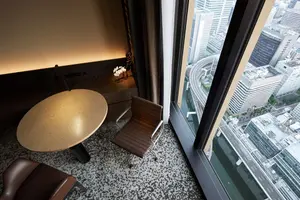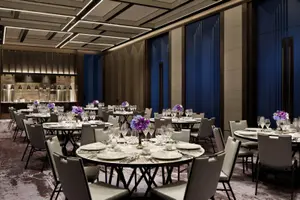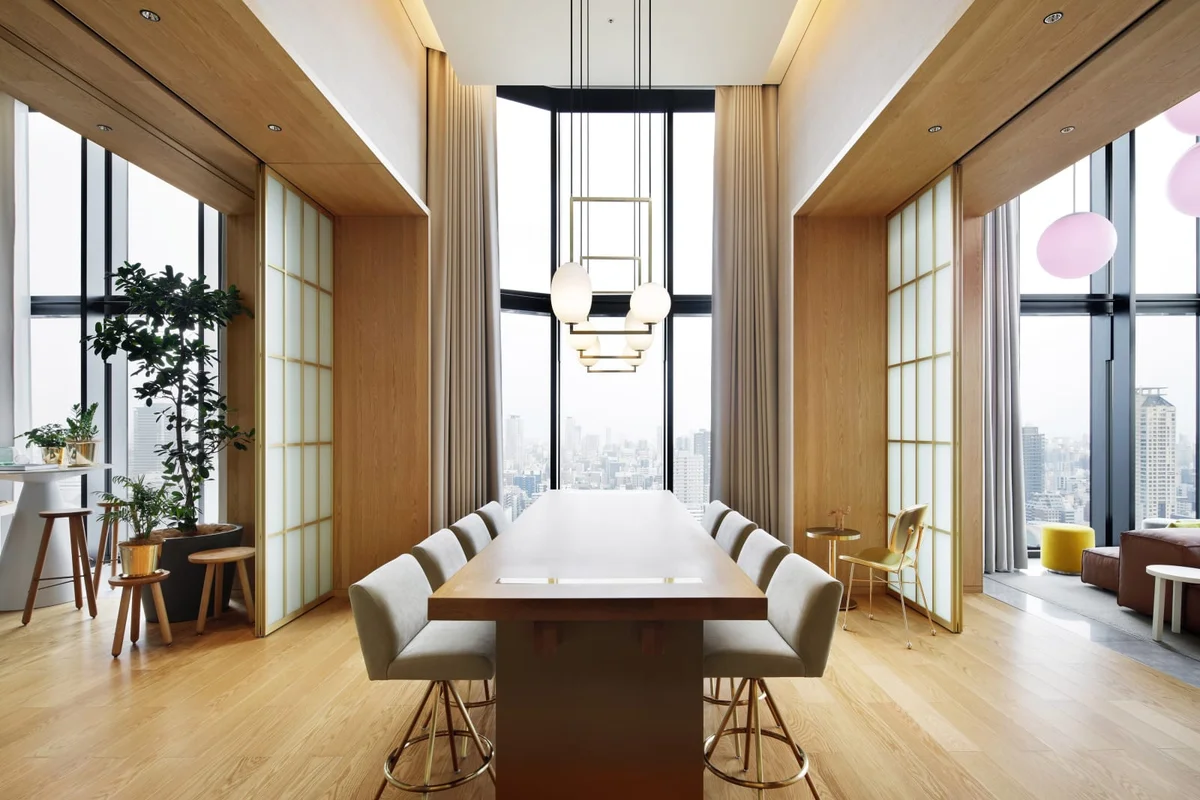
W Osaka
When you book W Osaka in Japan through our Marriott Luminous partnership, your stay includes daily breakfast for two and a welcome amenity. You also receive a room upgrade, early check-in and late check-out when available. You continue earning Marriott Bonvoy points and elite night credits. No premium credit card or membership needed: request a quote and our advisor books it at the same rate as booking direct.
Exclusive Booking Perks
These perks are included with your stay at the same rate as booking direct with the hotel.
- Welcome amenity
- Complimentary breakfast daily for two guests per room
- Early check-in and late check-out (when available)
- Complimentary upgrade (if available at check-in)
Location
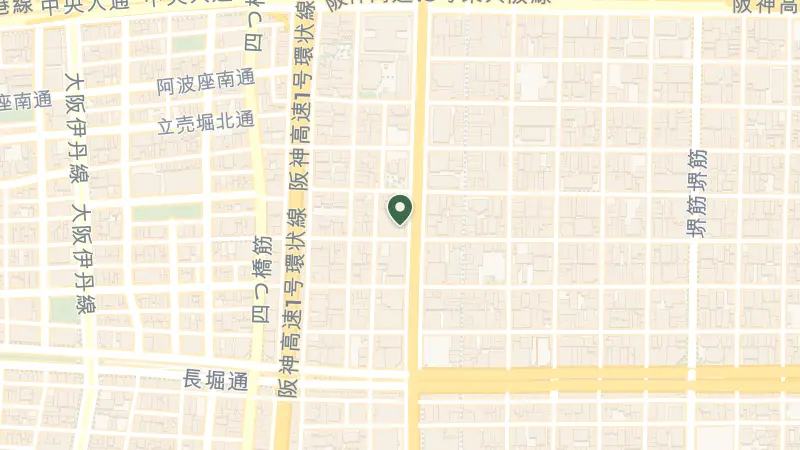
W Hotels brings its signature design-forward energy to Osaka's Minamisenba district in Chūō Ward, the commercial and cultural heart of Japan's third-largest city. The property channels the brand's bold aesthetic and social atmosphere into a neighbourhood where contemporary streetwear boutiques and specialty coffee bars share blocks with century-old tea merchants and textile wholesalers. Walk east toward the Higashi-Yokobori River and the energy shifts to neon-lit entertainment districts; head south and you're in the labyrinthine covered arcades of Shinsaibashi, where locals hunt for vintage denim and limited-edition sneakers.
Osaka earned its identity as Japan's kitchen (the local phrase is kuidaore, "eat till you drop") during the Edo period, when merchants controlled the nation's rice trade from this city's river-laced waterways. That merchant spirit persists in the no-nonsense warmth of shopkeepers and the unapologetic indulgence of the food scene. Unlike Kyoto's refined restraint or Tokyo's relentless pace, Osaka moves to its own rhythm: louder, funnier, more direct. The castle that Toyotomi Hideyoshi built in the 16th century still anchors the northern skyline, a reminder that this city has always preferred spectacle to subtlety.
Osaka Itami International Airport sits 13 kilometres north, connected by limousine bus and rail. Kansai International Airport, 36 kilometres south on an artificial island, handles most international arrivals, with express trains reaching the city centre in under an hour.
The Kuromon Ichiba Market, a 15-minute walk south, operates much as it did 190 years ago: fishmongers shouting over ice-packed displays of fugu and uni, fried kushikatsu stalls sending up clouds of savoury steam, grandmothers selecting daikon for that evening's oden. For Michelin-calibre dining, Taian sits 800 metres away, a three-starred kaiseki temple where chef Hitoshi Takahata works with the restraint of a tea master. The dining room recalls the wabi-sabi aesthetic of the tea ceremony, spare and profound. HAJIME, 1.3 kilometres distant and also holding three stars, takes the opposite approach: chef HAJIME Yoneda's "Dialogue with the Earth" theme manifests in 100-course degustations that read like edible philosophy. Book weeks ahead for either. Kashiwaya Osaka Senriyama, the third three-starred option, lies 10 kilometres north in the Senriyama neighbourhood, where Hideaki Matsuo follows the traditional 24-season Japanese calendar in his kaiseki compositions.
Beyond the table, Osaka Castle's stone ramparts and moats make for atmospheric morning walks, while the 49 kofun burial mounds of the Mozu-Furuichi complex, 16 kilometres south, offer a glimpse of 5th-century imperial power frozen in grassy earth. Day trips reach Kyoto's temples in 45 minutes, Nara's deer park in 40.
Winter settles cold and bright over Osaka, with January highs around 8°C and mornings that frost the tile roofs in outlying neighbourhoods. The light turns sharp and white, ideal for walking the castle grounds before the crowds arrive. Plum blossoms break the chill in late February.
Spring announces itself with force: cherry blossoms explode along the Higashi-Yokobori River in early April, and the city turns festive, office workers spreading picnic blankets beneath the petals until dark. Temperatures climb steadily into the low 20s by May, though spring rains can be persistent.
Summer is hot, humid, and unapologetic. July and August push past 30°C with oppressive moisture, the kind of heat that sends locals underground to the subway's air-conditioned corridors. September begins the long, pleasant descent into autumn, when the humidity finally breaks and the ginkgo trees turn electric gold. October through November offers the year's finest weather: crisp mornings, mild afternoons, and skies scrubbed clean by seasonal winds.
Frequently Asked Questions

Quotes are personally reviewed by Natasha Hardy, founder of The Uncommon Traveller
5.0 rating · 8 Google reviewsThere is no fee or markup. The hotel pays our commission.
Request a Quote 117 Bib Gourmand