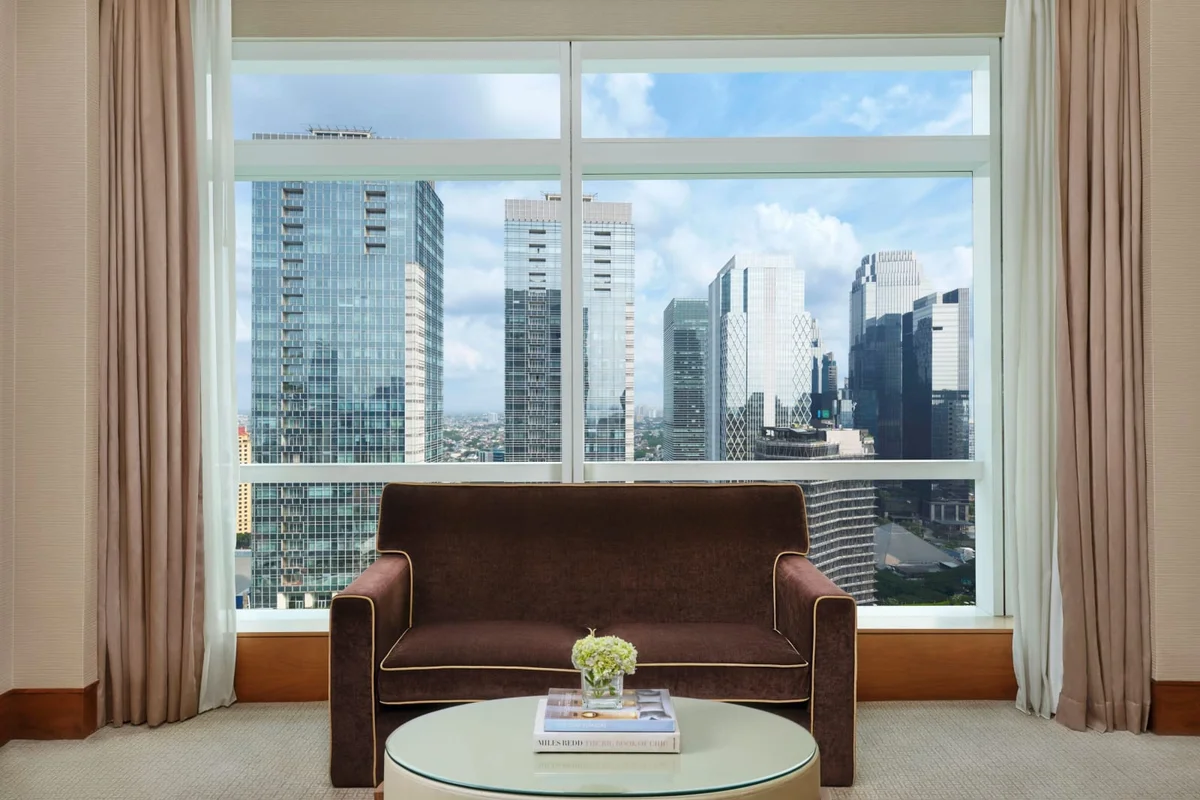
The Ritz-Carlton Jakarta, Pacific Place
When you book The Ritz-Carlton Jakarta, Pacific Place in Indonesia, through our Marriott STARS partnership, your stay includes daily breakfast for two and a $100 USD hotel credit once per stay. You also receive a room upgrade when available. You continue earning Marriott Bonvoy points and elite night credits. No premium credit card or membership needed: request a quote and our advisor books it at the same rate as booking direct.
Exclusive Booking Perks
These perks are included with your stay at the same rate as booking direct with the hotel.
- Personalized and customized amenity
- Complimentary breakfast daily for two guests per room
- All STARS hotels offer a hotel credit valued at $100 USD (once per stay)
- Early check-in and late check-out (when available)
- Complimentary upgrade (if available at check-in)
Location
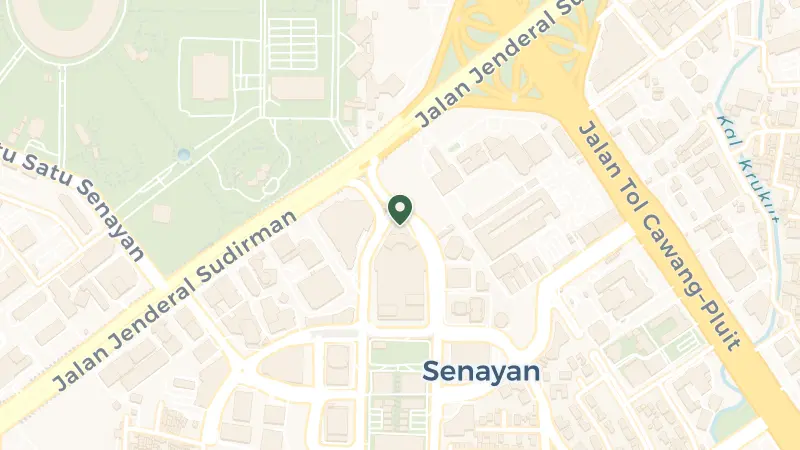
The Ritz-Carlton brand brings its signature service philosophy to Jakarta, where guest preferences are tracked across visits and the Club Lounge experience sets a standard for attentiveness. The property occupies a prime position within Pacific Place, a polished mixed-use development in the Senayan district of South Jakarta, placing guests at the intersection of corporate headquarters, diplomatic enclaves, and cultural institutions that define the capital's modern face.
Jakarta itself sprawls across the northwestern coast of Java, a megacity where Dutch colonial Batavia gave way to the bustling heart of independent Indonesia. The wider metropolitan area, known locally as Jabodetabek, pulses with the energy of one of the world's largest urban agglomerations. Senayan sits in the more orderly southern reaches, where wide boulevards lined with office towers and shopping complexes contrast with the congested alleys and canal-side markets of the old city centre to the north. The neighbourhood's proximity to national institutions and ASEAN headquarters lends it a diplomatic polish, yet traditional markets like Pasar Karet Pedurenan (just over a kilometre away) and Pasar Santa (under two kilometres south) keep the rhythms of daily Jakartan life within reach.
Halim Perdanakusuma International Airport lies ten kilometres southeast, while Soekarno-Hatta International Airport sits twenty kilometres northwest. Taxis and ride-hailing apps navigate the famously tangled traffic between terminals and the city centre, a journey that can stretch from forty minutes to well over two hours depending on the hour.
Senayan's dining scene skews corporate and contemporary, with restaurants catering to the expense-account crowd and diplomatic set. Without Michelin-starred venues in this sprawling capital, seek out the city's celebrated Indonesian and Peranakan kitchens beyond the immediate neighbourhood: rendang slow-cooked until the coconut milk caramelizes, soto Betawi rich with coconut milk and offal, gado-gado piled high with peanut sauce. Pasar Santa, a short drive south, transforms from morning wet market to evening food hall where vendors serve everything from nasi goreng to modern Indonesian fusion. Book a table at one of the city's storied rijsttafel specialists to experience the Dutch-Indonesian tradition of elaborate rice tables, dish after dish arriving in a procession that can span thirty courses.
Beyond the dining table, Jakarta's layered history reveals itself in fragments. The National Museum, about five kilometres north, holds the country's finest collection of Hindu-Buddhist statuary and Javanese gold. Kota Tua, the old Dutch quarter along the northern waterfront, preserves cobbled squares and VOC-era warehouses now converted to cafes and galleries. For a pause from urban intensity, Wijaya Driving Range (under three kilometres away) offers a quick swing, while Pondok Indah Golf Course, six kilometres south, provides a full eighteen holes beneath frangipani trees.
Jakarta sits eight metres above sea level, tropical and humid year-round, with temperatures hovering near thirty degrees regardless of season. The dry months from June through September bring clearer skies and slightly cooler mornings, when the city wakes without the weight of overnight rain. This is the most comfortable window for exploring on foot, though the equatorial sun still demands shade by midday.
The wet season stretches from November through March, when afternoon thunderstorms arrive with theatrical punctuality. Streets flood, traffic slows to a crawl, and the air thickens with moisture. Yet the rain also softens the city's harder edges, washing dust from palm fronds and filling canals with unexpected life.
April and October mark the transitional months, when rainfall eases and the light takes on a golden quality before the next seasonal shift. Visit during the dry season for the most predictable weather, but expect warmth and humidity whatever the calendar says.
Frequently Asked Questions

Quotes are personally reviewed by Natasha Hardy, founder of The Uncommon Traveller
5.0 rating · 8 Google reviewsThere is no fee or markup. The hotel pays our commission.
Request a Quote