The St. Regis Jakarta
When you book The St. Regis Jakarta in Indonesia through our Marriott STARS partnership, your stay includes daily breakfast for two and a $100 USD hotel credit once per stay. You also receive a room upgrade, early check-in and late check-out when available. You continue earning Marriott Bonvoy points and elite night credits. No premium credit card or membership needed: request a quote and our advisor books it at the same rate as booking direct.
Exclusive Booking Perks
These perks are included with your stay at the same rate as booking direct with the hotel.
- Personalized and customized amenity
- Complimentary breakfast daily for two guests per room
- All STARS hotels offer a hotel credit valued at $100 USD (once per stay)
- Early check-in and late check-out (when available)
- Complimentary upgrade (if available at check-in)
Location
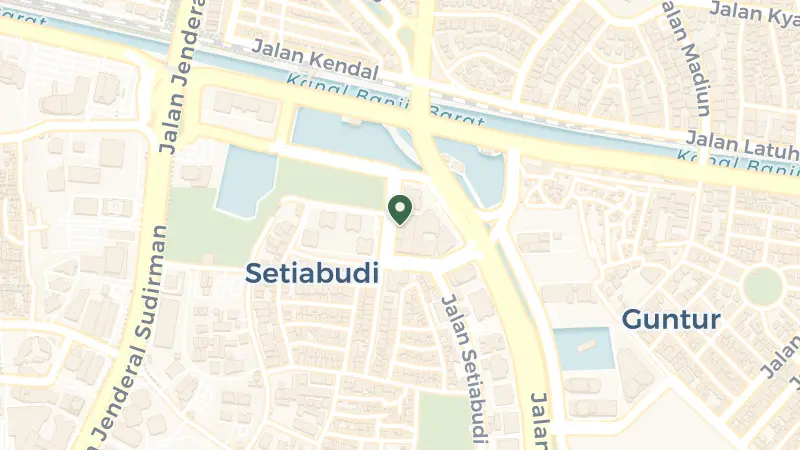
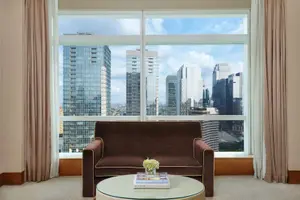
St. Regis brings its signature butler service and century-old New York formality to Jakarta, maintaining the brand's tradition of refined hospitality while referencing Indonesian cultural heritage in its interiors. The property stands in Setiabudi, the southernmost point of Jakarta's Golden Triangle, where glass towers house corporate headquarters and the rhythms of Southeast Asia's commerce set the pace. This is the capital's business heart, where diplomats and executives navigate a city of more than eleven million souls sprawled across Java's northwestern coast.
The district takes its name from Ernest Douwes Dekker, an independence hero of mixed Indo and Sundanese descent whose nom de guerre, Danudirdja Setiabudi, translates loosely as "loyalty to purity." Streets hum with traffic threading between shopping centres and office blocks, while the older textures of Jakarta persist in the neighbourhood's morning markets. Pasar Mencos sits less than a kilometre away, where vendors sell tropical fruit and fresh fish hauled from the Java Sea. To the east, Pasar Jaya Manggis offers another glimpse of daily commerce, and further south, Pasar Antik dan Koper Jakarta on Jalan Surabaya displays antiques and leather goods under canvas awnings.
Halim Perdanakusuma International Airport lies ten kilometres southeast, serving domestic routes, while Soekarno-Hatta International Airport, twenty-one kilometres northwest, connects Jakarta to the wider world. The city's colonial past as Batavia, the Dutch East India Company's headquarters for three centuries, lingers in the north near the old port of Sunda Kelapa.
Setiabudi's markets reward early risers. Walk to Pasar Bendungan Hilir, less than two kilometres south, where organic produce arrives before dawn and vendors arrange mangosteen, rambutan, and snakeskin fruit in pyramids. Pasar Antik dan Koper Jakarta, a kilometre and a half east, specializes in colonial-era curiosities: wayang puppets, brass tobacco boxes, and leather suitcases stamped with faded hotel tags. The neighbourhood's commercial character means dining leans toward hotel restaurants and international chains, though street food carts near the markets offer nasi goreng and sate ayam after dark.
For golf, head to Jakarta Golf Club five and a half kilometres south, where fairways thread through mature tropical planting, or Pondok Indah Golf Course, nearly nine kilometres distant, known for its water hazards and weekend tournaments. The city's Michelin-star dining scene has yet to materialize, but hawker stalls near Pasar Mencos serve gado-gado with thick peanut sauce and sambal that stings the back of your throat. Start with rendang from a stall that's been simmering beef in coconut milk and spices since before sunrise.
Jakarta's equatorial position delivers steady heat year-round, with temperatures hovering between twenty-three and thirty-one degrees. The dry season, from June through September, brings the sharpest light and least rain, ideal for navigating the city's sprawl without sudden downpours turning streets into rivers. Mornings feel clearest, before humidity climbs and the Java Sea breeze falters.
October through December marks the return of afternoon storms, when rain hammers tin roofs and markets empty in minutes. The wettest months, January and February, see monsoon clouds stall over the coast, though showers often arrive in short, violent bursts rather than day-long drizzle.
May offers a sweet spot: heat tempered by occasional showers, fewer tourists than the peak dry months, and temple courtyards in the old city gleaming after rain. The air smells of wet stone and frangipani, and the light softens into gold by late afternoon.
Frequently Asked Questions

Quotes are personally reviewed by Natasha Hardy, founder of The Uncommon Traveller
5.0 rating · 8 Google reviewsThere is no fee or markup. The hotel pays our commission.
Request a Quote