The Westin Palace, Milan
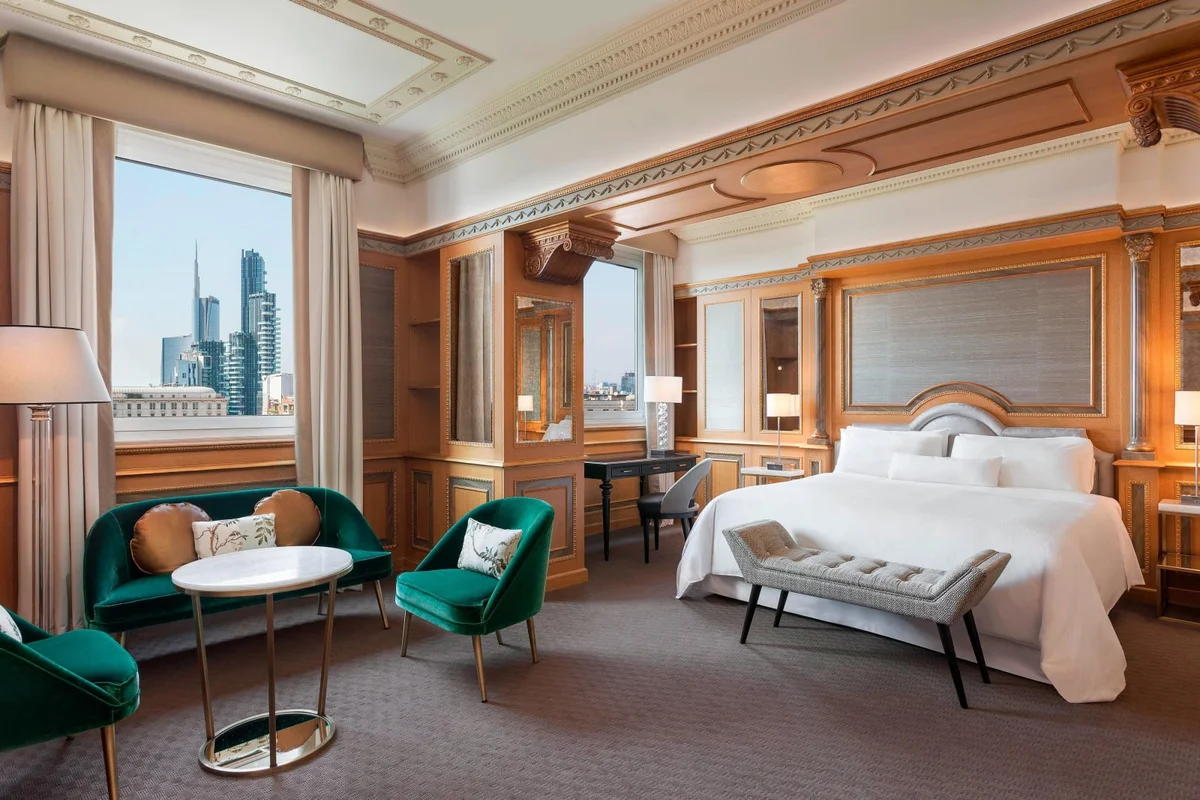
When you book The Westin Palace, Milan in Italy, through our Marriott Luminous partnership, your stay includes daily breakfast for two and a welcome amenity. You also receive a room upgrade, early check-in and late check-out when available. No premium credit card or membership needed: request a quote and our advisor books it at the same rate as booking direct.
Exclusive Booking Perks
These perks are included with your stay at the same rate as booking direct with the hotel.
- Welcome amenity
- Complimentary breakfast daily for two guests per room
- Early check-in and late check-out (when available)
- Complimentary upgrade (if available at check-in)
Location
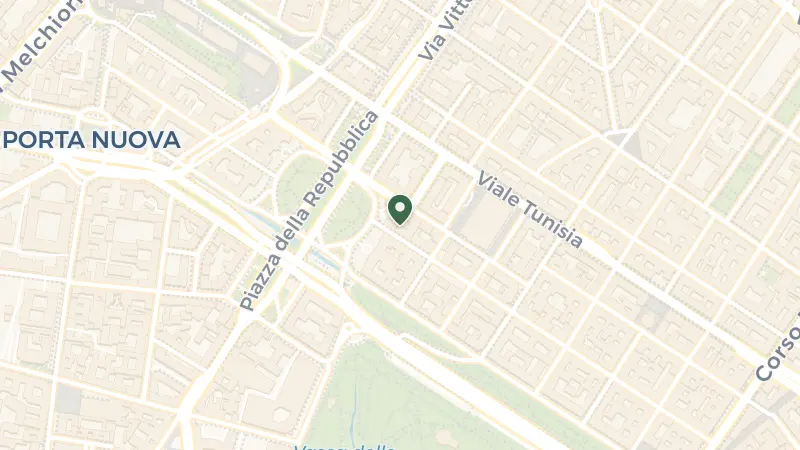
Milan reveals itself as Italy's restless engine of commerce and creativity, a city where Renaissance grandeur collides with relentless industrial ambition. The Westin Palace stands in the Centrale neighbourhood, where Mussolini's monumental railway station looms like a marble fortress and the streets pulse with the energy of arrivals and departures. This is not the postcard Milan of fashion quadrilatero boutiques, but rather the working heart of the metropolis, where commuters stream through vaulted halls and trams clatter past Belle Époque facades. The Naviglio della Martesana once carried goods into the city's core; now its banks trace quiet walking paths through an otherwise kinetic district.
The city's layered history runs deep beneath the contemporary rush. Founded by Celts in 590 BC and later transformed into the Roman Mediolanum, Milan briefly served as capital of the Western Roman Empire before the Visconti and Sforza dukes turned it into a Renaissance powerhouse. That wealth built Leonardo's Last Supper in the refectory of Santa Maria delle Grazie, three kilometres west, where Bramante's architectural genius meets the painter's doomed apostles on crumbling plaster.
Milano Linate Airport sits seven kilometres southeast, a quick taxi ride through suburbs that gradually surrender to the city's elegant grid. Malpensa, forty kilometres northwest, serves longer-haul connections through motorway corridors lined with Lombardy's industrial estates.
The Centrale neighbourhood yields quickly to Milan's cultural riches. Within walking distance, the Naviglio della Martesana offers tree-lined towpaths where locals jog and cycle, a moment of quiet before the city reasserts itself. For the serious gourmand, Andrea Aprea holds two Michelin stars seven hundred metres away, crowning the Luigi Rovati Foundation's top floor with dishes that honour Italian tradition through a lens of contemporary refinement. Book well ahead. Enrico Bartolini al Mudec, four kilometres distant, commands three stars with Davide Boglioli executing the maestro's vision of flavour intensity over mere novelty. The church of Santa Maria delle Grazie, three kilometres west, demands a timed entry to witness Leonardo's Last Supper, the paint perpetually threatened by time and humidity. Arrive early; the slots fill weeks in advance.
Local wine bars cluster nearby: La Vineria 2 sits just one hundred metres from the property, while I Dilettanti Wine Bar, eight hundred metres away, pours Piedmont and Lombardy bottles in a brick-vaulted room thick with conversation. The Mercato del Suffragio, two kilometres south, sprawls with seasonal produce every morning except Sunday, vendors calling out prices over pyramids of radicchio and blood oranges. Start your market haul with porchetta still crackling from the spit, then move to cheeses that smell like the alpine meadows they came from.
Winter drapes Milan in low grey skies and damp cold, temperatures hovering near freezing from December through February. The city retreats indoors; cafés fill with steam and the smell of espresso, while fog settles over the Naviglio at dusk. This is when locals reclaim the streets from summer tourists, and trattorias serve ossobuco and risotto alla milanese without apology.
Spring arrives unpredictably, March rains giving way to April warmth that coaxes wisteria over courtyard walls. May through June offers the most forgiving weather, temperatures in the low twenties, long evenings when aperitivo spills onto every piazza. The light turns golden, the city sheds its winter severity, and locals linger outdoors until the mosquitoes drive them back inside.
Summer heat intensifies through July and August, the air thick and still, temperatures pushing past twenty-eight degrees. The city empties in August as Milanese flee to coastal retreats, leaving behind shuttered shops and a slower rhythm. Autumn returns with October rains and a crispness that sharpens the city's edges, the plane trees shedding leaves over wet cobblestones. Come in September or early October, when the weather balances between summer's weight and winter's chill.
Frequently Asked Questions

Quotes are personally reviewed by Natasha Hardy, founder of The Uncommon Traveller
5.0 rating · 8 Google reviewsThere is no fee or markup. The hotel pays our commission.
Request a Quote 7 Bib Gourmand