Monaci delle Terre Nere
When you book Monaci delle Terre Nere in Sicily, Italy, through our Virtuoso partnership, your stay includes daily buffet breakfast for up to two guests and a $100 USD hotel and resort credit. You also receive a room upgrade, early check-in and late check-out when available. No premium credit card or membership needed: request a quote and our advisor books it at the same rate as booking direct.
Exclusive Booking Perks
These perks are included with your stay at the same rate as booking direct with the hotel.
- Upgrade on arrival, subject to availability
- Daily Buffet breakfast for up to two guests per bedroom, served in the restaurant
- Guest Choice of one:
- Complimentary Wine tasting Experience for 2 guests with personal "Welcome note" from the GM and a complimentary bottle of Monaci Estate Wine OR
- $100 USD Hotel and Resort Credit
- Early check-in / Late check-out, subject to availability
Location
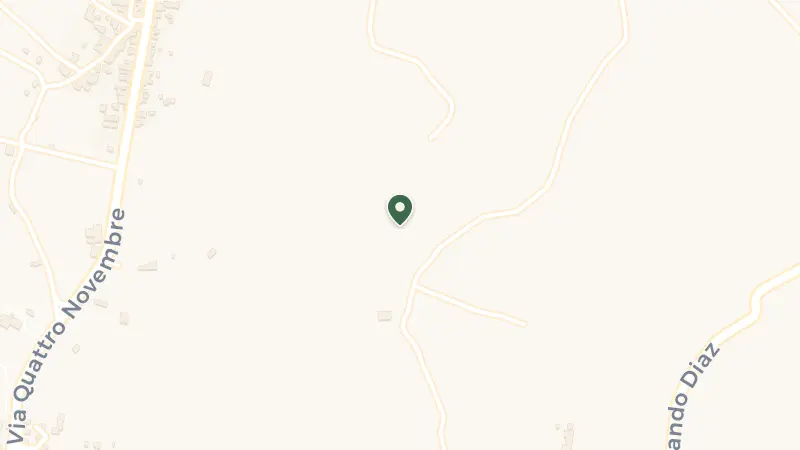
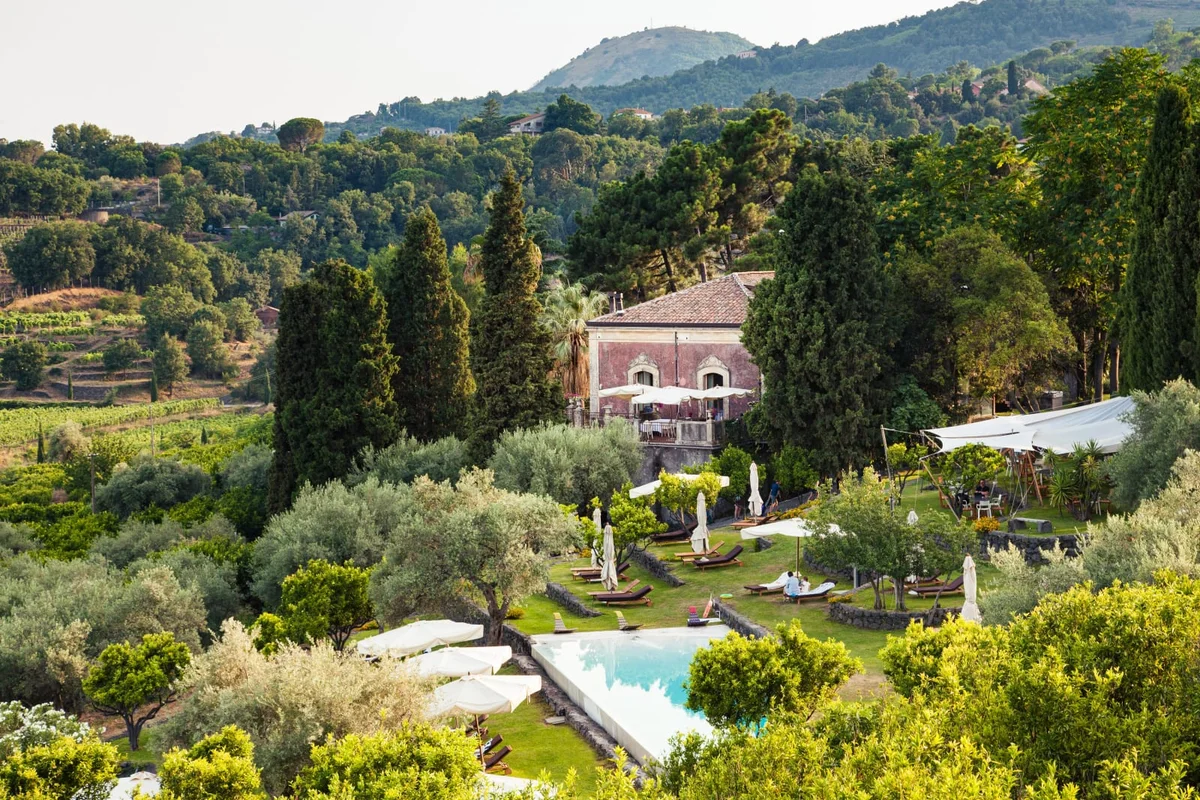
Monaci delle Terre Nere occupies working vineyard land on the southern slopes of Mount Etna, Europe's tallest and most restless volcano. The air here carries the mineral scent of volcanic soil, and on clear mornings the smoking summit rises directly above, a reminder that this landscape is never quite finished with its own creation. The property sits in Passopomo and Sarro, small rural settlements where stone walls divide citrus groves and the rhythm of harvest dictates the calendar. This is Sicily at its most elemental, far from coastal resort towns, where the earth itself becomes the attraction.
The surrounding terrain climbs through altitude zones, from subtropical lowlands to alpine scrubland near the crater. Ancient lava flows have hardened into black ribbons through the greenery, and the soil's richness produces some of the island's most distinctive wines. Villages cling to hillsides, their baroque churches rebuilt after centuries of eruptions and earthquakes. The cultural weight of millennia presses in from all sides: Greek temples at Taormina, Roman villas in the plains, Norman castles overlooking river valleys.
Catania-Fontanarossa Airport lies twenty-three kilometres southeast. The drive up through terraced vineyards and chestnut forests traces the volcano's gradual ascent, a transition from Mediterranean warmth to mountain air.
The property's own vines produce estate wines worth lingering over, but the real dining pilgrimage is to Zash, nine kilometres away in a restored nineteenth-century palmento surrounded by citrus orchards, where one Michelin star illuminates creative seasonal cooking rooted in Etna's volcanic terroir. For a more ambitious evening, St. George by Heinz Beck holds two stars in Taormina, twenty-six kilometres northeast, its terrace overlooking the Ionian Sea while creative contemporary dishes arrive with the precision of a Teutonic maestro working Sicilian ingredients. Book a table at Sapio in Giarre, nineteen kilometres distant, where Alessandro Ingiulla's modern Sicilian cooking draws from his own kitchen garden with a confidence that belies his youth.
Mount Etna itself, thirteen kilometres northwest and a UNESCO World Heritage site, demands exploration on foot or by cable car, its summit smoking above forests of Corsican pine and fields of hardened basalt. The Gole dell'Alcantara, a river gorge carved through ancient lava flow twenty-four kilometres north, offers cold-water swimming between columnar basalt walls. Closer still, the Bosco di Milo nature reserve begins four kilometres away, its walking trails threading through volcanic woodland where wild orchids emerge in spring.
July and August bring the full force of Mediterranean summer, with temperatures climbing near thirty degrees and the island baked into golden dormancy. The volcano's altitude provides relief, ten degrees cooler than Catania's coastal furnace, and evening breezes carry the scent of wild fennel through the vineyards.
Spring and autumn frame the most rewarding visits. May sees hillsides erupt in wildflowers, the light soft and golden, temperatures hovering around twenty-two degrees. September through October brings grape harvest, the air thick with fermentation and the first rains greening the slopes after summer's drought.
Winter is mild by northern standards, rarely dipping below eight degrees, but the volcano often wears a snow cap and rain arrives in earnest. The off-season quiet has its own appeal: wood fires, deserted trails, and the island returned to its residents.
Frequently Asked Questions

Quotes are personally reviewed by Natasha Hardy, founder of The Uncommon Traveller
5.0 rating · 8 Google reviewsThere is no fee or markup. The hotel pays our commission.
Request a Quote 3 Bib Gourmand