Renaissance Bali Uluwatu Resort & Spa
When you book Renaissance Bali Uluwatu Resort & Spa in Indonesia through our Marriott Luminous partnership, your stay includes daily breakfast for two and a welcome amenity. You also receive a room upgrade, early check-in and late check-out when available. No premium credit card or membership needed: request a quote and our advisor books it at the same rate as booking direct.
Exclusive Booking Perks
These perks are included with your stay at the same rate as booking direct with the hotel.
- Welcome amenity
- Complimentary breakfast daily for two guests per room
- Early check-in and late check-out (when available)
- Complimentary upgrade (if available at check-in)
Guest feedback
9.6/10 from 2,317 guest reviews
Read what guests commentedBy category
Guests liked
- Exceptional service
- Beautiful and spacious rooms
- Great breakfast options
Points to consider
- Slightly far out for some
- Service during buffet was a little slow
Location
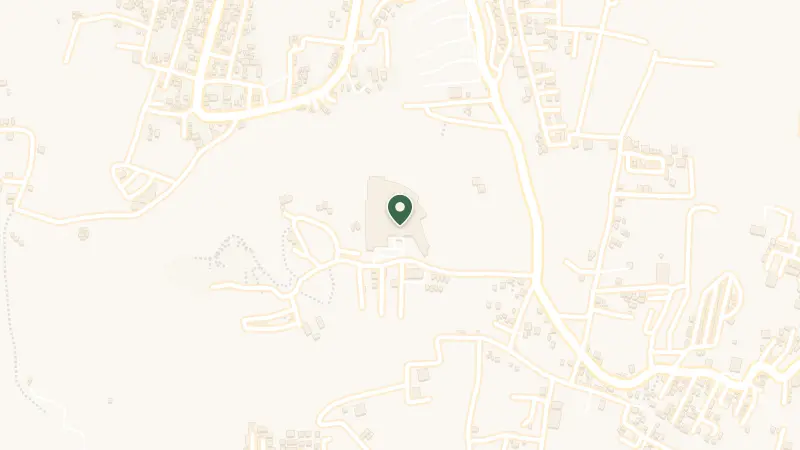
The property sits on Bali's southern Bukit Peninsula in Ungasan, a clifftop village where the island's limestone edge meets the Indian Ocean. This is not the Bali of rice paddies and temple processions, but the dramatic coastal geology of the south: white-sand crescents tucked below volcanic cliffs, surf breaks rolling in from the southern hemisphere, and the scent of frangipani cutting through salt air. Uluwatu temple, one of Bali's directional sea temples, crowns a promontory several kilometres west, its kecak dancers performing at sunset against a backdrop of crashing waves.
Ungasan occupies the quieter stretch of the Bukit, removed from the crowds at Seminyak yet close enough to the peninsula's surf culture. Balangan Beach lies three kilometres north, its golden sand and reef break drawing surfers and sunbathers alike. Dreamland Beach sits at a similar distance, while the cliffs at Tegal Wangi reward those who descend with tide pools and sea caves. The traditional markets at Pasar Ampera and Pasar Baru Goa Gong operate within five kilometres, selling produce, spices, and the day's catch.
Ngurah Rai International Airport lies eight kilometres northeast, a twenty-minute drive through the peninsula's scrubby terrain. The airport connects the island to the rest of the Indonesian archipelago and beyond, making this southern coast Bali's most accessible stretch of dramatic coastline.
New Kuta Golf, two kilometres from the property, cuts fairways through coastal limestone, its clifftop holes offering views across the strait toward Java. Jimbaran Fish Market operates seven kilometres north, where vendors sell snapper, tuna, and shellfish hauled in before dawn. Book a table at one of the beachfront warungs that grill your market purchases on coconut husks, the smoke drifting across the bay as the sun drops. The beaches here reward exploration: Kubu Beach sits three kilometres away, Balangan three and a half, each with its own character and surf conditions. Dive operators in Nusa Dua, ten kilometres north, run trips to the nearby islands of Nusa Penida and Nusa Lembongan, where manta rays gather at cleaning stations and walls drop into blue water.
The Cultural Landscape of Bali, inscribed as a UNESCO site in 2012, lies sixty-eight kilometres inland. The subak system, a cooperative network of water temples and irrigation channels, has shaped the island's rice terraces for a millennium. The philosophy of Tri Hita Karana, harmony between humans, nature, and the divine, governs these agricultural communities. Start with the terraces at Jatiluwih or Tegalalang to understand how Bali's Hindu cosmology takes physical form in the landscape.
Bali's dry season runs from May through October, when southeast trade winds keep skies clear and humidity low. July and August bring the driest conditions, perfect for exploring the coast on foot or by scooter. The island's beaches fill with European and Australian visitors escaping winter, and surf swells roll in consistently from the southern ocean.
The wet season, November through April, transforms the island. Afternoon thunderstorms drench the landscape, turning vegetation a deep green and filling the rivers that cut through the rice terraces. Mornings often remain clear, with rain arriving in the late afternoon in dramatic downpours that cool the air and flood the streets. December and January see the heaviest precipitation, though showers rarely last more than a few hours.
April and October offer the sweet spot: fewer crowds, lower humidity, and enough sunshine to justify the beach while occasional rain keeps the landscape lush. The light softens during these shoulder months, particularly at dawn and dusk when the coast glows amber.
Frequently Asked Questions

Quotes are personally reviewed by Natasha Hardy, founder of The Uncommon Traveller
5.0 rating · 8 Google reviewsThere is no fee or markup. The hotel pays our commission.
Request a Quote