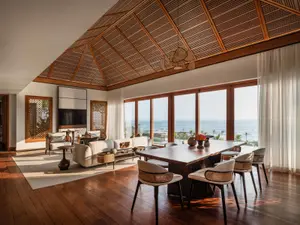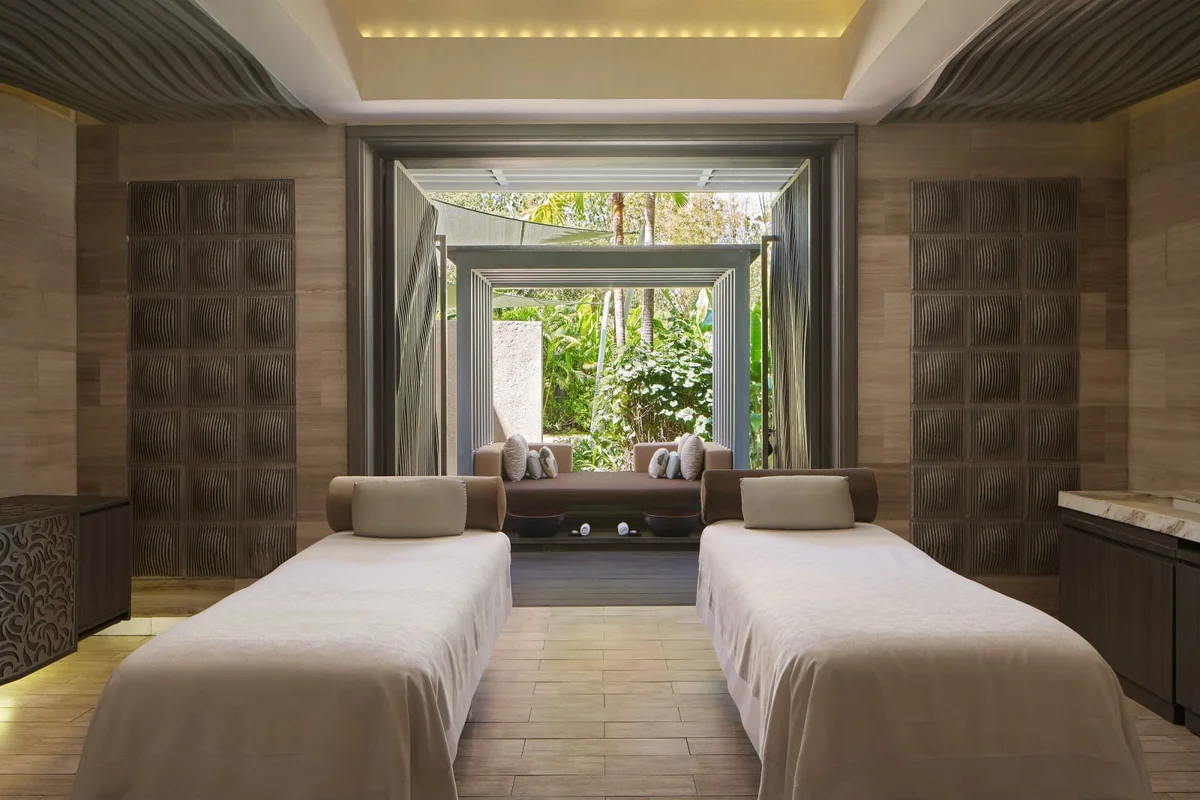
The Westin Resort Nusa Dua, Bali
When you book The Westin Resort Nusa Dua, Bali in Indonesia, through our Marriott Luminous partnership, your stay includes daily breakfast for two and a welcome amenity. You also receive a room upgrade, early check-in and late check-out when available. No premium credit card or membership needed: request a quote and our advisor books it at the same rate as booking direct.
Exclusive Booking Perks
These perks are included with your stay at the same rate as booking direct with the hotel.
- Welcome amenity
- Complimentary breakfast daily for two guests per room
- Early check-in and late check-out (when available)
- Complimentary upgrade (if available at check-in)
Location
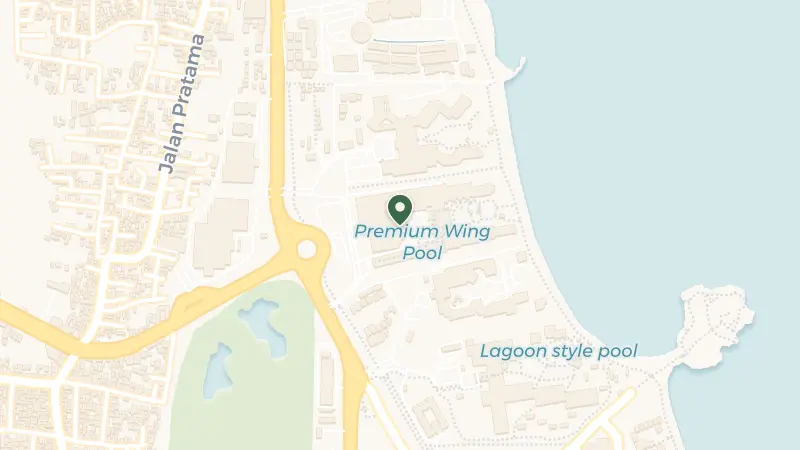
Bali's southern peninsula meets ceremony and ocean at Nusa Dua, a purpose-built enclave where white-sand beaches curve along the Indian Ocean and temple processions still wind through hotel gardens. The neighbourhood sits on Benoa, a limestone shelf that juts into turquoise shallows, nine kilometres south of Ngurah Rai International Airport. Unlike the surf-town sprawl of Seminyak or the rice-terrace mysticism of Ubud, Nusa Dua presents a manicured interpretation of Balinese resort life: wide boulevards, gated properties, immaculate beaches. Nusa Dua Beach stretches just 100 metres from the property, its sand powdery and currents gentle enough for swimmers who prefer calm water to barrel waves.
The wider island context matters here. Bali remains Indonesia's only Hindu-majority province, a distinction visible in the daily offerings of frangipani and incense at every doorway, the gamelan rehearsals echoing from village banjars. The Cultural Landscape of Bali Province, a UNESCO inscription 63 kilometres north, encompasses ancient subak irrigation systems and water temples that still govern rice cultivation through cooperative ritual. Though Nusa Dua itself trades in polished resort comforts, that spiritual infrastructure pulses beneath the surface, shaping temple anniversaries, full-moon ceremonies, and the rhythm of Balinese staff schedules.
Ngurah Rai International Airport sits 20 minutes away by taxi along coastal toll roads. The peninsula's protected waters shelter dive sites and outrigger moorings; the broader Denpasar metropolitan area hums with galleries, markets, and the administrative machinery of Indonesia's most-visited province.
Nusa Dua Beach unfolds directly from the property's grounds, a stretch of white sand and shallow reef breaks ideal for stand-up paddling and snorkelling. The Bali National Golf Club, 1.4 kilometres inland, offers a championship course threaded through lagoons and coconut groves, its fairways shaded by frangipani. Pasar Adat Desa Bualu, 800 metres away, operates as a traditional market where vendors sell snake fruit, cassava cakes, and handwoven lontar palm baskets. For certified divers, PADI Bali Scuba Masters, 2.7 kilometres south, runs excursions to nearby drop-offs where Napoleon wrasse and reef sharks patrol the walls. Book an afternoon trip to Tanjung Benoa marina, 3.9 kilometres north, where outriggers depart for island-hopping circuits around Nusa Penida and Nusa Lembongan.
The Cultural Landscape of Bali Province, 63 kilometres north via winding mountain roads, reveals the subak system in action: terraced rice paddies fed by temple-controlled canals, water temples where priests arbitrate irrigation schedules, and villages where Tri Hita Karana philosophy governs the balance between humans, nature, and the divine. Allocate a full day for the journey through cloud forest and volcanic slopes. Closer to the property, Bukit Pandawa Golf & Country Club, 5.6 kilometres southwest, carves through limestone cliffs above hidden beaches, its back nine offering views across the Bukit Peninsula to the open ocean.
July and August deliver Bali's driest, coolest months, when easterly winds drop overnight temperatures into the low twenties and mornings break bright and cloudless. The light turns sharp and white, ideal for photography; beaches fill with European families escaping northern winter. September through November sees a brief shoulder season as humidity climbs and afternoon clouds gather over the highlands, though rain remains intermittent and mornings stay reliably clear.
December through March brings the wet season, when equatorial storms roll in from the Indian Ocean and downpours flood streets within minutes, then vanish as abruptly. Temperatures hover near 30°C, the air thick and green, temple ceremonies continuing beneath umbrellas and frangipani blossoms slicking the pavement. April marks the transition: fewer rainstorms, lower humidity, jacaranda trees in purple bloom across Denpasar.
May and June offer the sweetest balance, when the island dries out but European summer crowds have not yet arrived. Mornings feel almost cool, the ocean flat and glassy, the scent of clove cigarettes and grilled satay drifting through open-air warungs at dusk.
Frequently Asked Questions

Quotes are personally reviewed by Natasha Hardy, founder of The Uncommon Traveller
5.0 rating · 8 Google reviewsThere is no fee or markup. The hotel pays our commission.
Request a Quote