The Westin Resort & Spa Ubud, Bali
When you book The Westin Resort & Spa Ubud, Bali in Indonesia, through our Marriott Luminous partnership, your stay includes daily breakfast for two and a welcome amenity. You also receive a room upgrade, early check-in and late check-out when available. No premium credit card or membership needed: request a quote and our advisor books it at the same rate as booking direct.
Exclusive Booking Perks
These perks are included with your stay at the same rate as booking direct with the hotel.
- Welcome amenity
- Complimentary breakfast daily for two guests per room
- Early check-in and late check-out (when available)
- Complimentary upgrade (if available at check-in)
Location
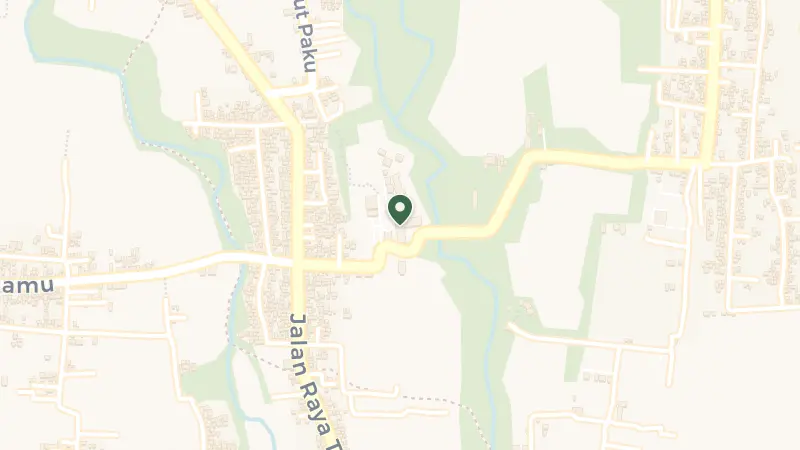
The Westin lands in Singakerta, a village on the southern edge of Ubud where rice terraces still descend in green tiers and the stone-carving workshops of neighbouring Kengetan send the sound of hammer on chisel into the afternoon air. This is cultural Bali: not the beach clubs of Seminyak, but the upland heart of the island where temple ceremonies unfold under frangipani trees and processions move through the lanes in a blur of batik and incense. Ubud proper lies four kilometres north, its streets crowded with galleries, dance pavilions, and the sprawl of the Ubud Art Market, but the property sits at enough remove to feel settled into the landscape rather than the tourist circuit.
Bali is the only Hindu-majority province in Indonesia, and that distinctiveness shapes everything: the offerings set out each morning on doorsteps, the gamelan orchestras rehearsing for odalan festivals, the subak irrigation societies that have managed these terraced paddies for centuries (a system now inscribed as a UNESCO World Heritage site). The island's cultural pull has made it Indonesia's tourism centre since the 1980s, but Ubud retains its role as the island's artistic conscience, a place where you still see painters at work under open-air studios and metalworkers bent over intricate repoussé panels.
Ngurah Rai International Airport sits 24 kilometres south in Denpasar; the drive up takes an hour through dense traffic, then quiets as you climb into the hills. The roads narrow, the air cools, and the soundtrack shifts from car horns to birdsong.
The property anchors you in Ubud's hinterland, close enough to the cultural centre but buffered by working farmland and village rhythms. Sumampan Waterfall lies four kilometres north, a short cascade surrounded by jungle where you can swim beneath the cold rush of mountain water; Uma Anyar Waterfall sits equally close if you prefer less-trafficked trails. The Ubud Art Market, under five kilometres north, opens early with stalls selling hand-dyed sarongs, carved masks, and silver jewellery, though serious buyers head to the surrounding villages, Mas for woodcarving and Celuk for metalwork, to watch craftsmen at their benches. Pasar Umum Singakerta, less than two kilometres away, is a proper local market where you'll find lawar (minced meat salad with coconut and spices) and babi guling (spit-roast pig) sold by the half-kilo, still warm from the fire.
Start your mornings at the Peliatan Night Market, four kilometres north, which despite its name runs a lively dawn trade in jaja pasar (traditional cakes) and bubur injin, black rice porridge sweetened with palm sugar. The UNESCO-listed rice terraces of the subak system spread across the surrounding valleys, best explored on foot; the canals and water temples that manage this intricate irrigation network have sustained Balinese agriculture for a millennium. Book a table at one of Ubud's farm-to-table warungs if you want to taste what grows here: young coconut, tamarind, lemongrass, galangal pulled from the soil that morning.
The dry season runs from May through October, with August bringing the coolest nights, down to 24 degrees, and reliably clear skies over the rice terraces. The light turns sharp and golden in the late afternoons, ideal for walking the village lanes or watching dance rehearsals in open pavilions. Humidity drops, the air loses its weight, and temple festivals multiply as communities take advantage of the predictable weather.
November marks the shift: afternoon downpours arrive with sudden force, turning dirt paths to red mud and filling the irrigation channels to the brim. The wet season peaks in January and February, when rain can fall for hours and the terraced paddies glow an almost unnatural green. Travel between December and March if you want the island at its most lush, but expect to plan around the weather.
April and May are transitional, still warm but drying out, with fewer crowds and softer light filtering through thinning clouds. The landscape holds its colour but loses the mud, making it an ideal window for both trekking and cultural exploration before the European summer rush begins.
Frequently Asked Questions

Quotes are personally reviewed by Natasha Hardy, founder of The Uncommon Traveller
5.0 rating · 8 Google reviewsThere is no fee or markup. The hotel pays our commission.
Request a Quote