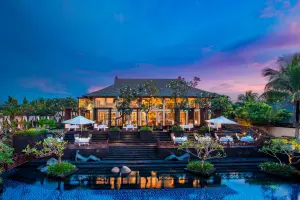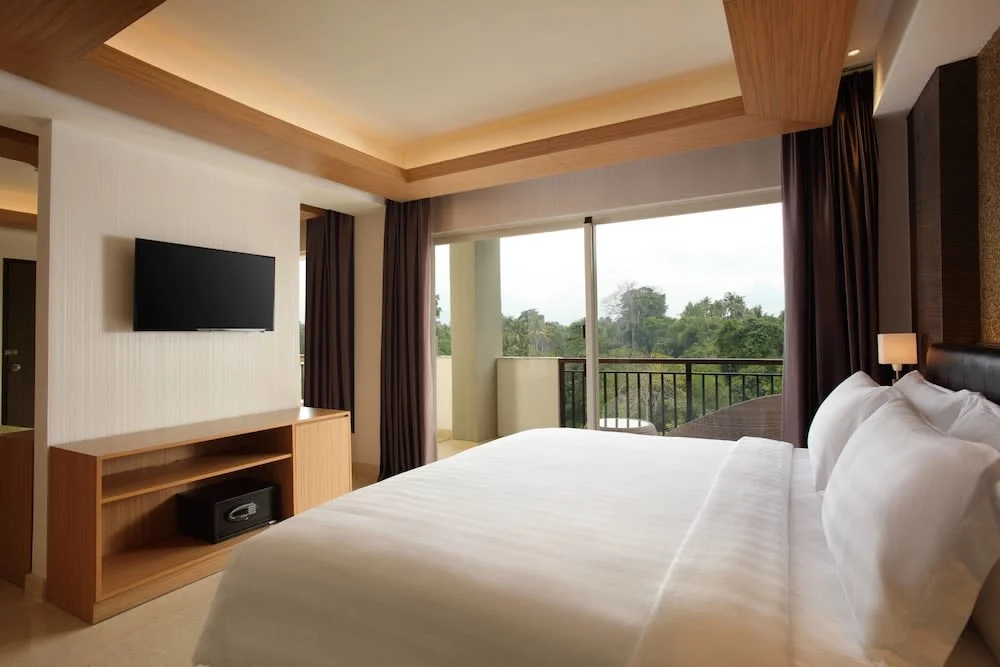
Sthala, a Tribute Portfolio Hotel, Ubud Bali
When you book Sthala, a Tribute Portfolio Hotel, Ubud Bali in Indonesia, through our Marriott Luminous partnership, your stay includes daily breakfast for two and a welcome amenity. You also receive a room upgrade, early check-in and late check-out when available. No premium credit card or membership needed: request a quote and our advisor books it at the same rate as booking direct.
Exclusive Booking Perks
These perks are included with your stay at the same rate as booking direct with the hotel.
- Welcome amenity
- Complimentary breakfast daily for two guests per room
- Early check-in and late check-out (when available)
- Complimentary upgrade (if available at check-in)
Guest feedback
Based on 444 guest reviews
By category
Guests liked
- Friendly staff
- Cozy atmosphere
- Excellent service
Points to consider
- Breakfast quality
- Limited restaurant options
Location
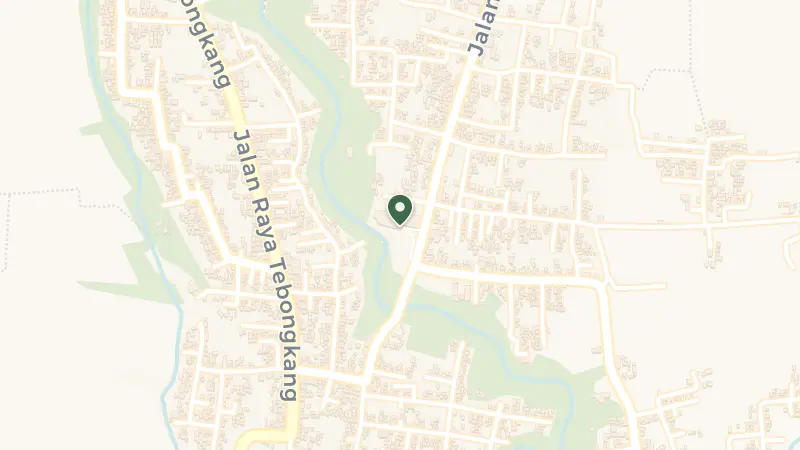
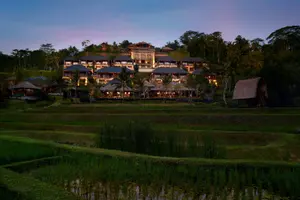
The property sits in Lodtunduh, a village south of Ubud where rice paddies still outnumber villas and temple ceremonies mark the rhythm of daily life. This is Bali's spiritual heartland, where Balinese Hinduism shapes everything from the roadside offerings of frangipani and incense to the gamelan rehearsals drifting from community pavilions after dark. Ubud itself, just minutes north, became the island's cultural centre not through accident but through centuries of royal patronage: the Puri Saren palace still anchors the town, and traditional dance performances draw crowds nightly to open-air stages where carved stone demons leer from the wings.
The landscape here is governed by subak, the ancient water temple system that has shaped Bali's rice terraces for over a thousand years. UNESCO recognized the Cultural Landscape of Bali Province in 2012 for this cooperative irrigation network, a physical manifestation of the Tri Hita Karana philosophy, harmony between humans, nature, and the divine. Thirty-eight kilometres away, five terraced complexes and their temples demonstrate how this system works, canals and weirs controlled by temple priests who coordinate planting cycles across entire watersheds.
Ngurah Rai International Airport lies twenty-two kilometres south, a drive that moves from coastal sprawl through increasingly green terrain as the road climbs toward Ubud's forested ridges.
Waterfalls thread through the river valleys surrounding the property. Tegenungan Blangsinga, three and a half kilometres away, plunges into a jungle-edged pool where you can swim beneath the cascade. Uma Anyar, four kilometres distant, asks a nominal entrance fee and rewards with fewer crowds and moss-slick rock faces. For markets, head to Pasar Umum Sukawati, less than four kilometres south, where sarong vendors and basket weavers spread their goods in covered stalls that smell of clove cigarettes and fried tempeh. Book a morning visit to catch the rhythm before tour groups arrive.
The town of Ubud supplies the cultural programming: Puri Saren palace hosts kecak fire dances at sunset, sixty bare-chested men chanting the Ramayana while a performer in a golden headdress battles a monkey king. Museum Puri Lukisan and the Neka Art Museum chronicle Balinese painting from Kamasan wayang styles through the expressive figurative work that emerged when European artists settled here in the 1930s. Ubud's dozens of cooking schools will teach you to grind base gede spice paste on a stone mortar or wrap fish in banana leaves for pepes ikan.
July through September brings the driest, clearest months, when humidity drops and temple festivals proceed under uninterrupted sun. Mornings are crisp enough for sunrise walks through the rice fields, afternoons warm but not oppressive.
The wet season from November through March doesn't mean constant rain, but rather afternoon downpours that turn roads to rivers for an hour before the sky clears. January sees the heaviest precipitation, the landscape lush and impossibly green, waterfalls at their most dramatic.
April and October serve as shoulder months, fewer visitors and still-manageable rainfall. The light during these transitions is particularly beautiful, soft and golden as storms build on the horizon but hold off until evening.
Frequently Asked Questions

Quotes are personally reviewed by Natasha Hardy, founder of The Uncommon Traveller
5.0 rating · 8 Google reviewsThere is no fee or markup. The hotel pays our commission.
Request a Quote