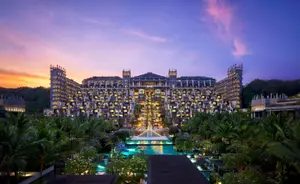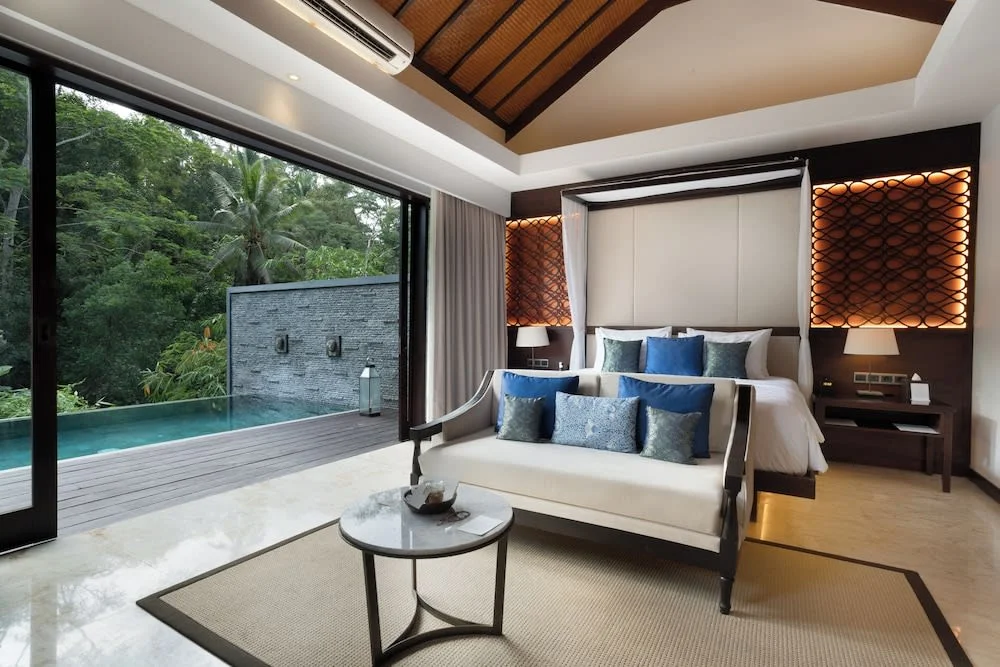
Samsara Ubud
When you book Samsara Ubud in Bali, Indonesia, through our Preferred Platinum partnership, your stay includes daily breakfast for two and a $100 hotel credit per stay. You also receive a room upgrade when available. No premium credit card or membership needed: request a quote and our advisor books it at the same rate as booking direct.
Exclusive Booking Perks
These perks are included with your stay at the same rate as booking direct with the hotel.
- Breakfast for Two Daily
- $100 Hotel Credit per Stay (to be used on services such as spa, dining, or selected amenities valued at $100 or more)
- Room Upgrade (subject to availability)
- Priority Check-in and Check-out (subject to availability)
Guest feedback
9.3/10 from 386 guest reviews
Read what guests commentedBy category
Guests liked
- Exceptional service
- Beautiful and serene location
Points to consider
- Food deliveries can be tricky
- Could have stayed longer
Location
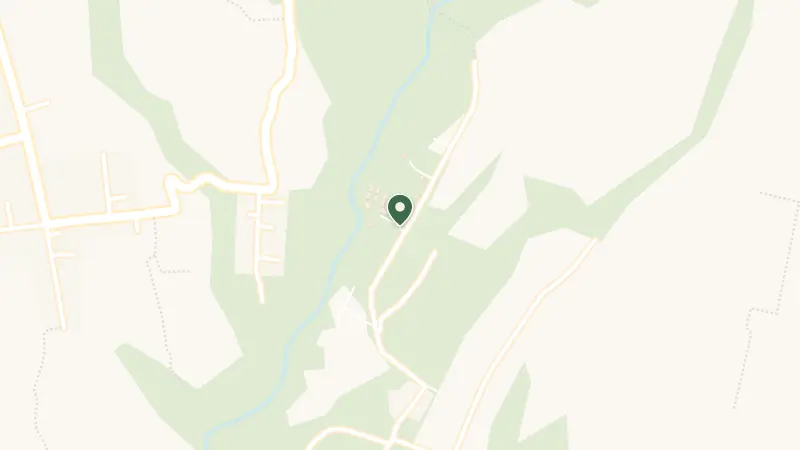
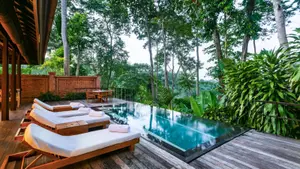
Samsara Ubud sits in the village of Kelusa, where the sounds of gamelan drift through the valleys and the scent of frangipani hangs thick in the humid air. This is Bali's cultural heart, a landscape of terraced rice paddies carved into hillsides by generations following the subak irrigation system, a UNESCO-recognized philosophy of water management rooted in Balinese Hinduism's Tri Hita Karana principle. The property overlooks jungle canopy and the sacred Oos River gorge, a few kilometres north of central Ubud where dance performances and gallery openings punctuate the rhythm of daily temple offerings.
Ubud itself remains the island's artistic nerve centre, a place where traditional painting and woodcarving workshops line stone pathways alongside contemporary galleries. The town has evolved from a royal seat to a destination for those seeking Balinese culture beyond the coastal resorts, though it now draws crowds year-round.
Ngurah Rai International Airport lies 37 kilometres south near Denpasar, a drive that climbs through palm groves and stone villages as the coastal humidity gives way to the cooler upland air.
Waterfalls thread through the surrounding countryside, each with its own character. Manuaba WaterFall, less than four kilometres away, cascades into a jungle pool where the air stays cool even at midday. Ulu Petanu and Pangkung Patas lie within five kilometres, both requiring short descents through rainforest. Further afield, Pasar Petang operates as a traditional market six kilometres south, where vendors sell temple offerings and spices ground fresh each morning.
The terraced rice fields that earned this landscape UNESCO status stretch across the region, best viewed at dawn when mist clings to the irrigation channels. Tirta Empul temple, six and a half kilometres north, centres on sacred spring waters where purification rituals have continued for a thousand years. Book a guide who can explain the significance of each bathing pool. Ubud Market, nine kilometres away, offers textiles and carved masks, though arrive early before tour groups flood the narrow aisles.
The dry season from May through October brings crystalline light and cooler nights, with temperatures dipping to the low twenties. July and August see the least rain, when the rice terraces glow emerald against cloudless skies and temple ceremonies happen outdoors without interruption.
November through April marks the wet season, when afternoon downpours drum on palm leaves and the rivers swell ochre with runoff. Mornings often stay clear, the air scrubbed clean for a few hours before clouds build over the volcanoes.
December through March receives the heaviest rain, though showers typically arrive in brief, intense bursts rather than lingering all day. The landscape turns impossibly green.
Frequently Asked Questions

Quotes are personally reviewed by Natasha Hardy, founder of The Uncommon Traveller
5.0 rating · 8 Google reviewsThere is no fee or markup. The hotel pays our commission.
Request a Quote