W Shanghai - The Bund
When you book W Shanghai - The Bund in China through our Marriott Luminous partnership, your stay includes daily breakfast for two and a welcome amenity. You also receive a room upgrade, early check-in and late check-out when available. You continue earning Marriott Bonvoy points and elite night credits. No premium credit card or membership needed: request a quote and our advisor books it at the same rate as booking direct.
Exclusive Booking Perks
These perks are included with your stay at the same rate as booking direct with the hotel.
- Welcome amenity
- Complimentary breakfast daily for two guests per room
- Early check-in and late check-out (when available)
- Complimentary upgrade (if available at check-in)
Location
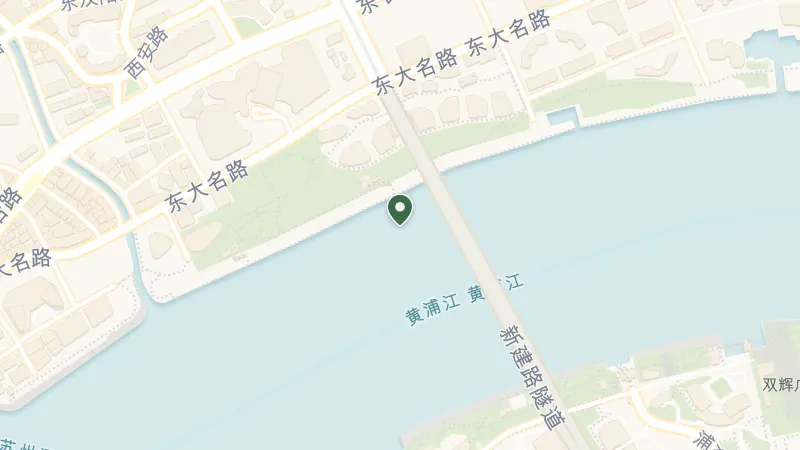
W Hotels approaches luxury through a lifestyle lens: bold design choices, social energy in public spaces, and a soundtrack that carries through the lobby. The Shanghai property channels this ethos into a city that has always excelled at reinvention, where the pace is relentless and the skyline speaks in exclamation points.
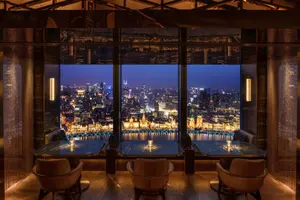
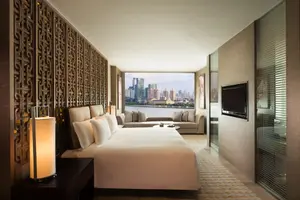
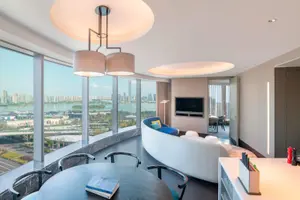
The hotel occupies a prime position along the Bund, the historic waterfront promenade that defined Shanghai's mercantile golden age. Across the Huangpu River rises Lujiazui, the financial district that transformed from marshland to vertical metropolis in three decades. The contrast is the city in miniature: Art Deco facades built by trading houses and banks in the 1920s and 30s face off against the Oriental Pearl Tower, the Shanghai Tower twisting 632 metres into the sky, and the bottle-opener silhouette of the Shanghai World Financial Center. Walk the waterfront at dusk when both banks are illuminated and the river traffic drifts between centuries.
The Bund itself stretches along Zhongshan Road, lined with neoclassical and beaux-arts buildings that once housed the Hongkong and Shanghai Banking Corporation, the Customs House with its clock tower, and the Cathay Hotel where Noël Coward wrote Private Lives during a bout of influenza. Shanghai Hongqiao International Airport lies 16 kilometres west, connected by metro and taxi. Pudong International Airport sits 32 kilometres east, a longer journey but the city's primary international gateway.
The hotel's dining and bar programming follows the W formula of curated nightlife and cocktail culture, though Shanghai's Michelin-starred scene demands off-property exploration. 8 ½ Otto e Mezzo Bombana, Umberto Bombana's Italian outpost, holds two stars and sits 1.3 kilometres away, its balcony views and glazed wine cellar offering both spectacle and substance. Imperial Treasure Fine Chinese Cuisine, also two-starred and equally close, serves Singaporean-style Cantonese dim sum and barbecued meats in a crystal-lit dining room. Book a table at Taian Table, Stefan Stiller's three-starred counter-style restaurant seven kilometres west, for a ten- or twelve-course seasonal menu that changes every few weeks.
Beyond dining, the Bund's waterfront promenade runs along the western riverbank, reachable by pedestrian tunnel or ferry. The Clothing Market lies 1.8 kilometres north for fabric sourcing and tailoring; the Marriage Market in People's Park, three kilometres west, offers an unexpected window into modern Chinese matchmaking culture. Tomson Golf Club, eight kilometres southwest, provides a championship course if the city's density grows claustrophobic.
Spring arrives with temperamental shifts: March and April bring rain and temperatures climbing from 14 to 18 degrees, the plane trees along the former French Concession streets leafing out in stuttering green. May edges into summer proper, warm enough for rooftop bars and outdoor tables, though humidity begins its long tenure.
Summer is oppressive. July and August hover above 30 degrees with air that feels like a damp towel, thunderstorms rolling through without offering much relief. The city empties slightly as those who can flee to cooler provinces. Autumn redeems everything: September through early November offers mild days, clear skies, and the best light for photography along the Bund and through the longtang alleyways.
Winter is short and raw, rarely below freezing but cold enough to feel it in buildings without central heating. December through February sees temperatures between four and ten degrees, the kind of damp chill that seeps into bones. Crowds thin, though Chinese New Year in late January or February brings the city to a temporary halt before exploding into celebration.
Frequently Asked Questions

Quotes are personally reviewed by Natasha Hardy, founder of The Uncommon Traveller
5.0 rating · 8 Google reviewsThere is no fee or markup. The hotel pays our commission.
Request a Quote 34 Bib Gourmand