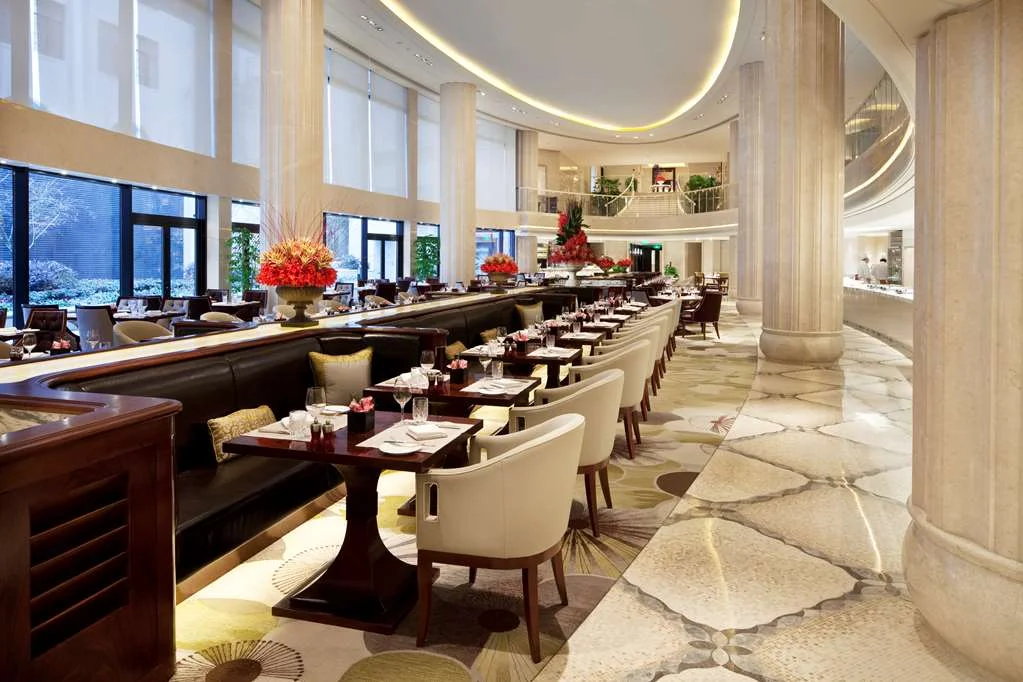
Waldorf Astoria Shanghai on the Bund
When you book Waldorf Astoria Shanghai on the Bund in China through our Hilton for Luxury partnership, your stay includes breakfast for two and a hotel credit of USD 100 per stay. No premium credit card or membership needed: request a quote and our advisor books it at the same rate as booking direct. Plus, for a limited time, a complimentary night is included with your stay.
Special Offer: 4th night free
4th night free
Exclusive Booking Perks
These perks are included with your stay at the same rate as booking direct with the hotel.
- VIP guest status
- Complimentary breakfast for 2 guests
- USD100 hotel credit per stay (or local equivalent)
- Double Hilton Honors Points
- Upgrade to next room category (subject to availability)
Location
Waldorf Astoria carries the weight of its New York heritage into every property, a lineage that began in 1893 and shaped the language of grand-scale hospitality. True Waldorf Service remains the standard, delivered through concierge teams trained to anticipate rather than react, signature restaurants that anchor each property's social life, and interiors that honour architectural provenance without museum stiffness.
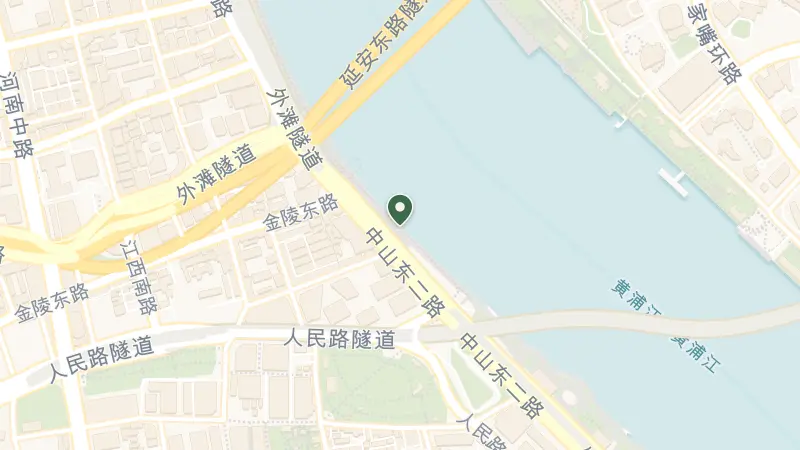
The Bund unfolds along the western bank of the Huangpu River, where Shanghai's pre-war banking district meets the glittering towers of Pudong across the water. This is the city's ceremonial centre, where Art Deco façades built by European trading houses in the 1920s and 30s stand as monuments to Shanghai's role as the Paris of the East. The neighbourhood hums with foot traffic at all hours: couples posing for photographs against the neoclassical colonnades, tour groups gathering beneath the clock tower of the former Customs House, ferries shuttling across the river to Lujiazui's financial district. The air tastes faintly of the Huangpu's brackish water, cut with diesel exhaust and the sugar-smoke smell of street vendors grilling jianbing on portable griddles.
Shanghai Hongqiao International Airport lies fifteen kilometres west, connected by metro and taxi. Pudong International, the city's primary long-haul gateway, sits thirty-two kilometres east across the river, reachable via the Maglev train or expressway.
The hotel's position within steps of the Bund promenade places you at the centre of Shanghai's culinary theatre. Da Vittorio, less than a ten-minute walk, holds two Michelin stars for its Lombard cuisine reimagined with Chinese ingredients. Chef Zambrino trained in Brusaporto before bringing that northern Italian precision to this waterfront outpost. Six kilometres inland, Taian Table claims three stars and a cult following among local foodies; Stefan Stiller's counter-seating format puts every guest directly before the open kitchen, where ten or twelve courses unfold every few weeks. Imperial Treasure Fine Chinese Cuisine, just over a kilometre away, delivers Cantonese dim sum and barbecued meats in crystalline surroundings, the Singaporean group's answer to traditional Cantonese teahouse culture elevated to fine dining.
Beyond the table, the Bund's heritage buildings reward architectural pilgrimage. Cross the river by ferry or tunnel to Pudong's observation decks for the skyline view Shanghainese see in every postcard. The Clothing Market, less than two kilometres north in Hongkou, operates in neighbourhood lanes where fabric vendors still haggle in local dialect. Book a table at Taian Table weeks ahead; counter seats disappear fast.
Spring arrives in late March and builds through April and May, when temperatures climb from the mid-teens to the low twenties and the city shakes off winter's grey pallor. The plane trees along the boulevards leaf out in a haze of pale green, and the humid warmth carries the scent of magnolia blossoms from the former concession gardens. June through August is sweltering and wet, with temperatures pushing past thirty degrees and sudden downpours that send pedestrians scrambling beneath shop awnings.
Autumn, from mid-September through November, is the city's finest season. The humidity breaks, the light turns golden and slanting, and temperatures settle into the low twenties before cooling further into November. The streets feel livelier as residents emerge from air-conditioned retreats to claim the pavement cafés and riverside promenades.
Winter, though rarely freezing, is raw and damp. The wind off the Huangpu cuts through layers, and the grey skies press low over the city. This is when locals retreat to hotpot restaurants and the city's rhythm slows, but the Bund's colonial architecture takes on a brooding, cinematic quality in the flat winter light.
Frequently Asked Questions

Quotes are personally reviewed by Natasha Hardy, founder of The Uncommon Traveller
5.0 rating · 8 Google reviewsThere is no fee or markup. The hotel pays our commission.
Request a Quote 34 Bib Gourmand