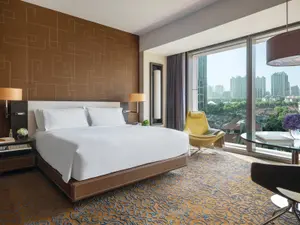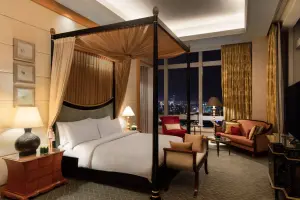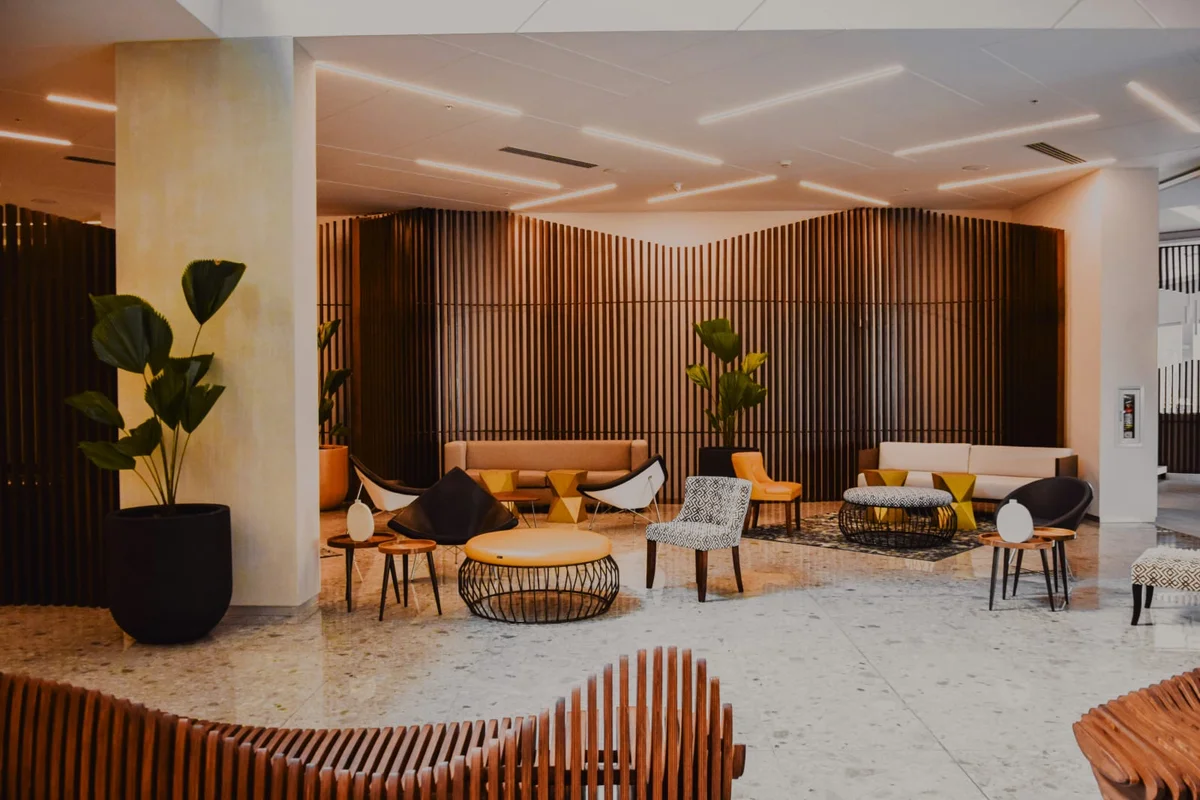
Waldorf Astoria Shanghai Qiantan
When you book Waldorf Astoria Shanghai Qiantan in China through our Hilton for Luxury partnership, your stay includes breakfast for two and a hotel credit of USD 100 per stay. You also receive a one-category room upgrade when available. You continue earning Hilton Honors points and elite night credits. No premium credit card or membership needed: request a quote and our advisor books it at the same rate as booking direct.
Special Offer
Enjoy 15% Off at Waldorf Astoria Shanghai Qiantan
Exclusive Booking Perks
These perks are included with your stay at the same rate as booking direct with the hotel.
- VIP guest status
- Complimentary breakfast for 2 guests
- USD100 hotel credit per stay (or local equivalent)
- Double Hilton Honors Points
- Upgrade to next room category (subject to availability)
Location
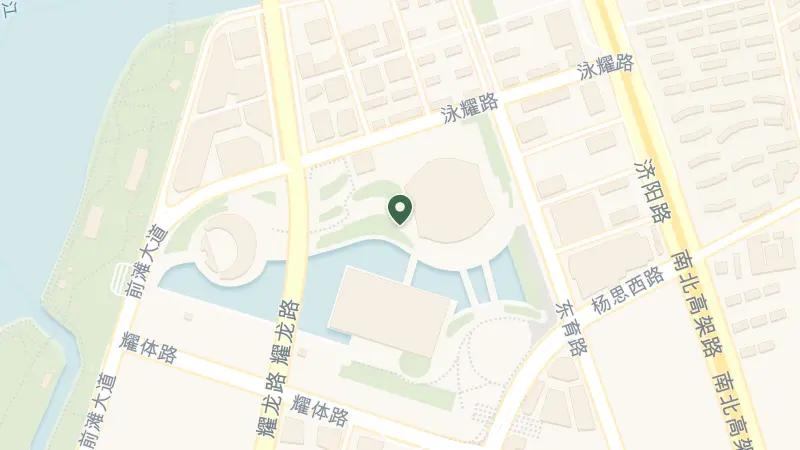
Waldorf Astoria brings its grand-scale hospitality and True Waldorf Service heritage to Shanghai's Qiantan district, a waterfront quarter along the Huangpu River that has emerged as the city's newest cultural and business hub. The neighbourhood pulses with the energy of contemporary China: glass-and-steel office towers rise beside riverfront promenades, while the adjacent Sanlin area retains pockets of older Shanghai, where wet markets and lane houses offer glimpses of pre-boom life. The district sits on the east bank of the river, directly across from the historic Bund, positioning guests at the intersection of old and new Shanghai.
The Huangpu itself defines the rhythm here. Morning tai chi practitioners gather along the embankment as cargo ships glide past. By evening, the western skyline across the water lights up: the Pearl Tower's orb, the bottle-opener silhouette of the Shanghai World Financial Center, the twisting Shanghai Tower. This is a quieter vantage point than Puxi's crowded waterfront, with wide pavements and breathing room.
Shanghai Hongqiao International Airport lies fourteen kilometres west, connected by metro and taxi; Pudong International sits thirty-two kilometres east. The property anchors a district still writing its story, where the infrastructure is polished but the neighbourhood character remains in flux.
The hotel's dining programme follows the brand's signature restaurant approach, though specifics are not documented here. For Michelin-starred tables, the city delivers: Taian Table, Stefan Stiller's three-starred counter-seat experience eight kilometres northwest in Huangpu, changes its 10- or 12-course menu every few weeks and remains essential booking for Shanghai food obsessives. Canton 8, five kilometres west, holds two stars for Chef Mak's handmade dim sum and classic Cantonese repertoire honed over four decades. Ji Pin Court, a two-starred Cantonese restaurant six kilometres away, is worth the journey for its signature fried chicken with sand ginger in claypot alone, where every ingredient is diced to uniform precision.
Beyond dining, the property places you within reach of Shanghai's broader cultural landscape, though the immediate Qiantan area is still developing its own identity. Tianshan Tea City, nine kilometres northwest, offers a deep dive into Chinese tea culture with vendors selling oolong, pu'er, and Longjing by the kilo. The Bund's waterfront architecture lies across the river, accessible by metro or taxi, while the Yu Garden and Old City warren of lanes reward those willing to navigate the crowds.
Shanghai swings between extremes. Summer arrives heavy and humid: July and August hover around 30°C with thick air that slows the pace of sightseeing and sends locals seeking air-conditioned refuge. Afternoons shimmer; evenings along the Huangpu offer marginal relief.
Spring and autumn are the city's grace periods. April and May bring moderate temperatures in the high teens to low twenties, though spring rains can be persistent. September through early November delivers crisp mornings, warm afternoons, and the clearest skies of the year. The streets fill with strollers; outdoor dining resumes its appeal.
Winter is brief and bone-cold. January temperatures drop near freezing at night, and the damp air makes it feel colder than the numbers suggest. The city slows but never stops; indoor museums and Michelin-starred dining rooms become the focus until the thaw arrives in March.
Frequently Asked Questions

Quotes are personally reviewed by Natasha Hardy, founder of The Uncommon Traveller
5.0 rating · 8 Google reviewsThere is no fee or markup. The hotel pays our commission.
Request a Quote 34 Bib Gourmand