Anjali by Syphon
When you book Anjali by Syphon in Siem Reap, Cambodia, through our Tablet Plus partnership, your stay includes a 25 USD spa credit per stay. You also receive a one-category room upgrade and late check-out when available. No premium credit card or membership needed: request a quote and our advisor books it at the same rate as booking direct.
Exclusive Booking Perks
These perks are included with your stay at the same rate as booking direct with the hotel.
- Upgrade to next room category, based upon availability at check-in
- Guaranteed 2pm late check-out
- Guaranteed 12pm early check-in
- 25 USD spa credit per room, per stay
Guest feedback
9.8/10 from 279 guest reviews
By category
Guests liked
- Attentive staff
- Clean and comfortable rooms
- Great amenities
Points to consider
- Poor breakfast quality
- Limited help on tour organization
Location
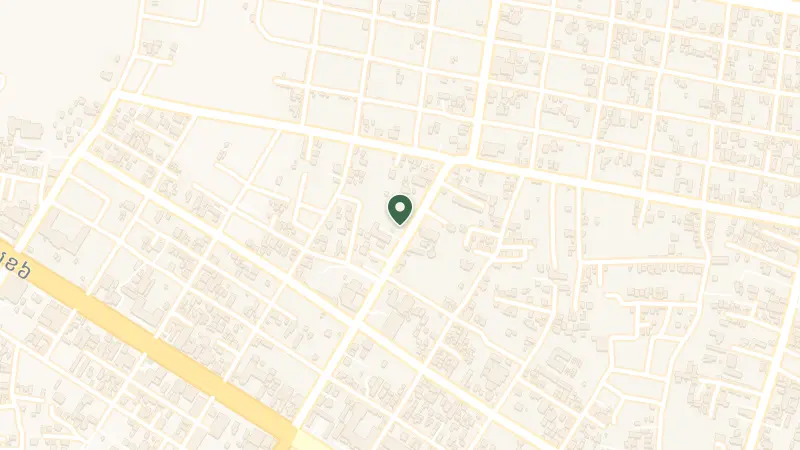
Siem Reap carries the weight of history in its streets, where French-colonial arcades and Chinese shophouses frame the Old Market district and the Krous neighbourhood unfolds with a quieter residential rhythm beyond the commercial centre. The city exists in service to Angkor, that vast archaeological marvel six kilometres north, where the Khmer Empire left temple complexes sprawling across four hundred square kilometres of forest. Founded in 802, Angkor's ruins draw the world here, but Siem Reap itself has cultivated its own texture: Apsara dance performances echo classical court traditions, silk farms hum on the outskirts, and the cosmopolitan drinking scene contrasts sharply with rice paddies stretching toward Tonlé Sap's wetlands.
The Old French Quarter retains colonial elegance along tree-lined avenues, while Phsar Deum Kralanh market, little more than a kilometre from the property, offers morning chaos and street-side noodle stalls. Phsar Gne and Angkor Night Market lie further into the touristed heart, but the neighbourhood around Anjali by Syphon keeps a residential calm, closer to daily Cambodian life than to the souvenir corridors.
Siem Reap-Angkor International Airport sits forty-one kilometres east, a drive that crosses flat farmland and newer development. Transport into the city is straightforward, with taxis and private transfers readily available.
The temples demand days, not hours. Ta Prohm remains strangled by silk-cotton roots, its galleries half-reclaimed by jungle, while Banteay Srei, carved in rose-hued sandstone and completed in 967, displays the most intricate Khmer craftsmanship at temple scale. Phnom Bakheng draws sunset crowds for its panoramic sweep across the forest canopy, and Pre Rup's laterite towers glow amber in late afternoon light. Beng Mealea, further afield, sees fewer visitors and rewards the effort with atmospheric ruin and minimal restoration. The archaeological park's scale requires planning: hire a knowledgeable guide and set out early before heat thickens the air.
Back in Siem Reap, Phsar Deum Kralanh market opens at dawn with vendors selling pomelo, dried fish, and bundles of morning glory. Book a table at one of the Apsara dance venues for a formal introduction to classical Khmer performance, though the spectacle leans theatrical. The Nature Discovery Center of Cambodia, four kilometres out, offers birdwatching walks and insight into regional conservation efforts around Tonlé Sap's wetlands.
November through February brings the coolest, driest stretch, with daytime temperatures hovering near thirty degrees and nights dropping comfortably into the low twenties. The light turns sharp and golden, ideal for temple exploration before midday heat builds. March and April push temperatures higher, the air thickening as the landscape browns under clear skies.
May through October ushers in the southwest monsoon. Rain arrives in heavy afternoon downpours rather than constant drizzle, greening the countryside and swelling Tonlé Sap. September sees the heaviest precipitation, but mornings often stay clear enough for temple visits.
The dry winter months remain peak season for a reason: comfortable heat, minimal rain, and the best conditions for spending long days among the ruins.
Frequently Asked Questions

Quotes are personally reviewed by Natasha Hardy, founder of The Uncommon Traveller
5.0 rating · 8 Google reviewsThere is no fee or markup. The hotel pays our commission.
Request a Quote