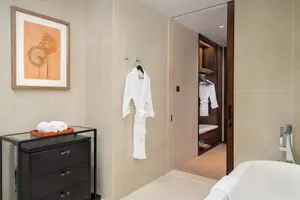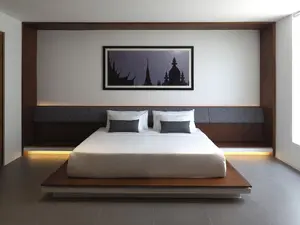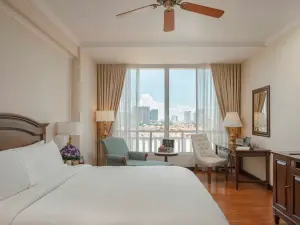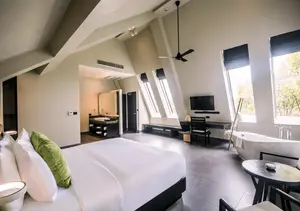
Anantara Angkor Resort
When you book Anantara Angkor Resort in Siem Reap, Cambodia, through our Anantara Journeys partnership, your stay includes welcome amenities. You also receive a room upgrade when available. No premium credit card or membership needed: request a quote and our advisor books it at the same rate as booking direct.
Exclusive Booking Perks
These perks are included with your stay at the same rate as booking direct with the hotel.
- Unique local experience at each hotel
- 24-hour check-in & check-out (upon availability)
- Destination-specific gift in the room
- VIP status and welcome amenities
- No walk-out policy (except the cases of hotel buyout)
- Upgrade upon arrival (upon availability)
- Dedicated contact person at each property
Guest feedback
9.8/10 from 225 guest reviews
By category
Guests liked
- Attentive staff
- Quiet location
- Excellent food options
Points to consider
- Noise from the road
- Need for refurbishment in some areas
Location
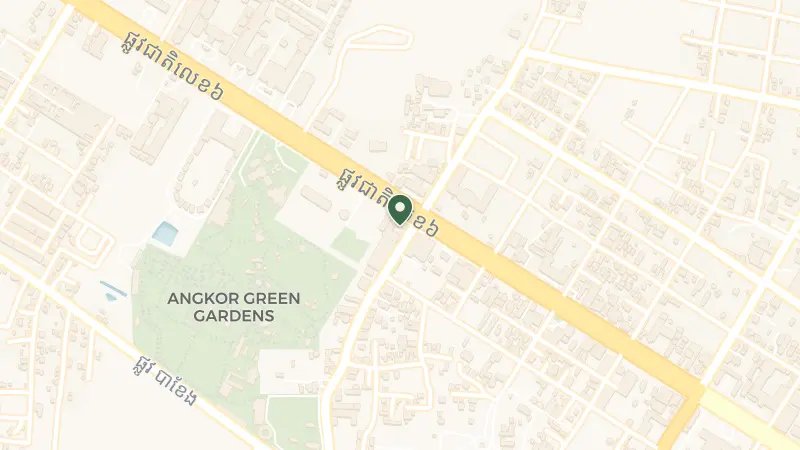
Anantara's name, meaning "without end" in Sanskrit, reflects a philosophy of immersive cultural encounters woven into every stay. The brand's cooking schools, curated excursions, and spa rituals connect guests to the traditions and landscapes that define each destination, from Asia to the Middle East and beyond.
Siem Reap pulses with the memory of the Khmer Empire, its streets a blend of French-colonial shutters, Chinese shophouses, and the hum of tuk-tuks threading through the Old French Quarter. Named ASEAN City of Culture for 2021–2022, the city owes its cosmopolitan rhythm to Angkor, the UNESCO-inscribed archaeological park six kilometres north, where sandstone temples rise from the forest canopy. The air smells of frangipani and grilled fish from the Old Market, where silk vendors and street stalls spill onto the pavement.
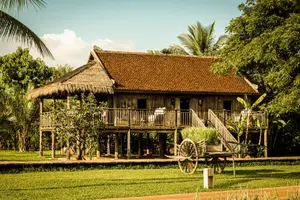
The neighbourhood of Krous, northwest of the city centre, offers a quieter approach to Siem Reap's temple circuit and countryside. Rice paddies stretch toward the horizon, dotted with stilted houses and the occasional oxcart. Siem Reap-Angkor International Airport lies 42 kilometres southeast, a straightforward drive through rural lowlands and villages where children wave from roadside stalls selling palm sugar and lotus flowers.
Begin at Ta Prohm, where silk-cotton trees grip the stone galleries in slow-motion collapse, their roots spilling over lintels like frozen rivers. Preah Khan, a sprawling monastic complex to the north, rewards early risers with empty corridors and the low calls of hornbills echoing through the chambers. For sunrise drama, climb Phnom Bakheng, a ninth-century hilltop temple where the stepped pyramid frames Angkor Wat in the golden hour. Banteay Srei, 20 kilometres northeast, showcases the finest Khmer sandstone carving in miniature, its pink laterite facades etched with apsaras and mythological scenes. Book a guide who can read the Sanskrit inscriptions.
Closer to the property, Phsar Deum Kralanh market operates with the rhythms of daily life, vendors selling prahok (fermented fish paste), morning glory, and palm fruit beneath corrugated roofs. Three kilometres south, Angkor Night Market hums with silk weavings and carved apsara masks, though the Old Market offers better street food: num banh chok (Khmer noodles) and lemongrass skewers from dawn vendors. Angkor Golf Resort, just over two kilometres away, winds through lotus ponds and termite mounds, caddies included.
November through February brings the cool season, when morning temperatures dip to the low twenties and temple stone feels almost cold underfoot. The light turns sharp and golden, ideal for photography at Angkor's galleries and bas-reliefs. This is the peak season, but dawn visits still offer solitude.
March and April heat up fast, pushing temperatures past 33 degrees, the air thick and still before the monsoon breaks. May through October sees afternoon rains that turn laterite roads to rust and fill Tonlé Sap with surging water. The forest greens, moats overflow, and crowds thin.
September and October are wettest, but the rains cleanse the air and leave Angkor's sandstone glowing in sudden bursts of light. Travel between these months for fewer visitors and dramatic skies over the temple spires.
Frequently Asked Questions

Quotes are personally reviewed by Natasha Hardy, founder of The Uncommon Traveller
5.0 rating · 8 Google reviewsThere is no fee or markup. The hotel pays our commission.
Request a Quote