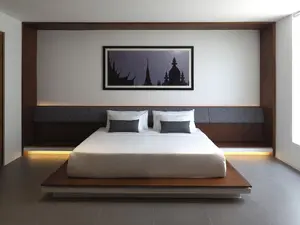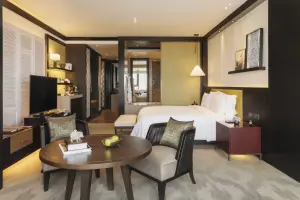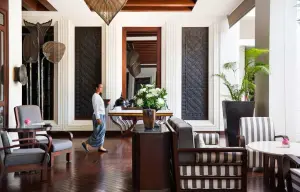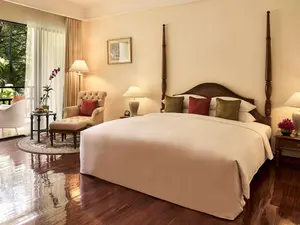
FCC Angkor by Avani
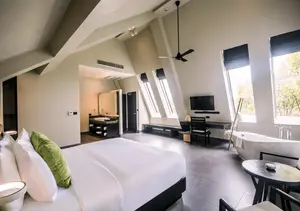
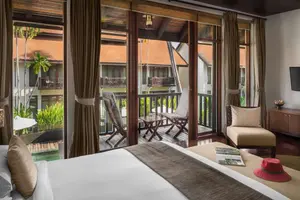
When you book FCC Angkor by Avani in Siem Reap, Cambodia, through our Tablet Plus partnership, your stay includes a 25 USD hotel credit per day and a welcome treat. You also receive a one-category room upgrade and late check-out when available. No premium credit card or membership needed: request a quote and our advisor books it at the same rate as booking direct.
Exclusive Booking Perks
These perks are included with your stay at the same rate as booking direct with the hotel.
- Upgrade to next room category, based upon availability at check-in
- Guaranteed 2pm late check-out
- Welcome treat in room on arrival
- 25 USD hotel credit per room, per day (valid towards incidentals)
Guest feedback
9.8/10 from 582 guest reviews
By category
Guests liked
- Exceptional service
- Great location
- Comfortable rooms
Points to consider
- Average food quality
Location
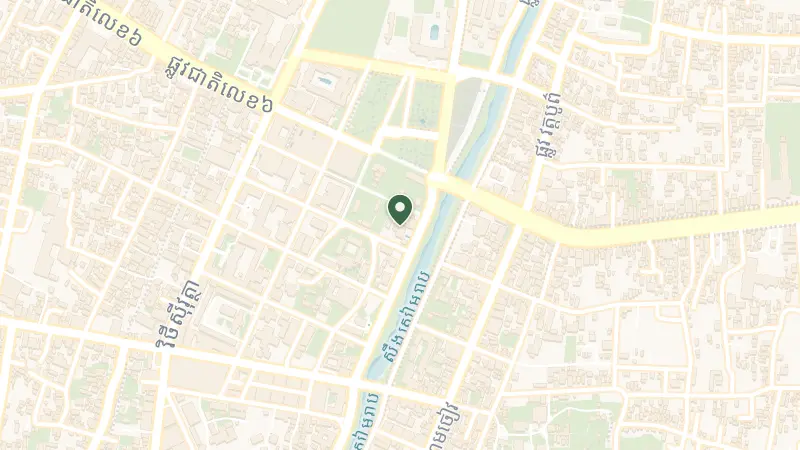
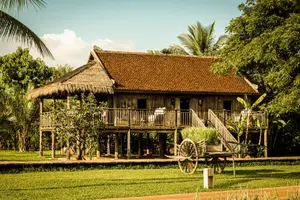
The Foreign Correspondents' Club name carries a certain weight in Southeast Asia, a nod to the journalists and storytellers who once gathered in these colonial-era buildings to file dispatches from the field. The property occupies a quiet corner of the Old French Quarter, where cream-coloured shutters open onto tree-lined streets and the architecture speaks to Siem Reap's layered past. This is a city that grew from a cluster of villages into the gateway to Angkor, its fortunes rising and falling with the Khmer Empire's ruins nine kilometres north. The Old Market area and Pub Street lie within walking distance, but the Quarter itself maintains a calm remove from the tourist crescendo.
Siem Reap's character is a study in contrasts: morning monks in saffron robes collecting alms while tuk-tuks idle at intersections, French baguettes sold beside rice noodle carts, silk farms and rice paddies stretching beyond the city limits. The temples remain the gravitational centre, but the city has developed its own rhythm, with Apsara performances, traditional handicraft workshops, and a drinking scene that draws travellers back after days spent among stone gods and jungle-choked courtyards.
Siem Reap-Angkor International Airport lies 39 kilometres east, a straight shot through countryside that transitions from rural to urban as you approach the city centre.
The Angkor Archaeological Park, a UNESCO site since 1992, unfolds nine kilometres north across 400 square kilometres of forested terrain. Start at sunrise with Angkor Wat itself, then move to Ta Prohm, where silk-cotton tree roots grip sandstone galleries in a slow-motion reclamation. Bayon's serene stone faces watch from every angle at the centre of Angkor Thom. Banteay Srei, carved in pink sandstone in 967, rewards the 25-kilometre journey northeast with intricate apsara reliefs and a scale more intimate than the grand temple mountains. Phnom Bakheng, consecrated in 900, offers panoramic views at sunset, though crowds gather early for position. Book a guide through the hotel for historical context that transforms relief carvings from decoration into narrative.
Back in the city, the Old Market and Phsar Leu Thom Thmei Market 1.7 kilometres out stock everything from kampot pepper to krama scarves. The Angkor Night Market, one kilometre away, trades in silk and handicrafts after dark. For nature beyond the temples, Tonlé Sap lake stretches south with floating villages and the Boeung Tonle Sap Protected Area, a bird sanctuary 54.5 kilometres distant. Phnom Kulen National Park, 37.6 kilometres northeast, holds sacred river carvings and waterfalls that locals visit for weekend picnics.
November through February brings the most forgiving conditions, with temperatures hovering near 30°C and skies swept clear after the monsoon. The light turns golden at Ta Prohm in late afternoon, and stone doesn't radiate stored heat back at you. Mornings carry a faint coolness that burns off by mid-morning.
March and April mark the hot season, when temperatures climb past 33°C and the air thickens. Temple exploration becomes an endurance test; seek shade in the galleries and start before dawn. The first rains arrive in May.
Monsoon runs from May through October, peaking in September with 261 millimetres. The moats around Angkor Wat fill, reflections sharpen, and the countryside turns electric green. Rain typically falls in afternoon bursts rather than all-day soaks, leaving mornings clear for temple visits. Fewer crowds offset the humidity.
Frequently Asked Questions

Quotes are personally reviewed by Natasha Hardy, founder of The Uncommon Traveller
5.0 rating · 8 Google reviewsThere is no fee or markup. The hotel pays our commission.
Request a Quote